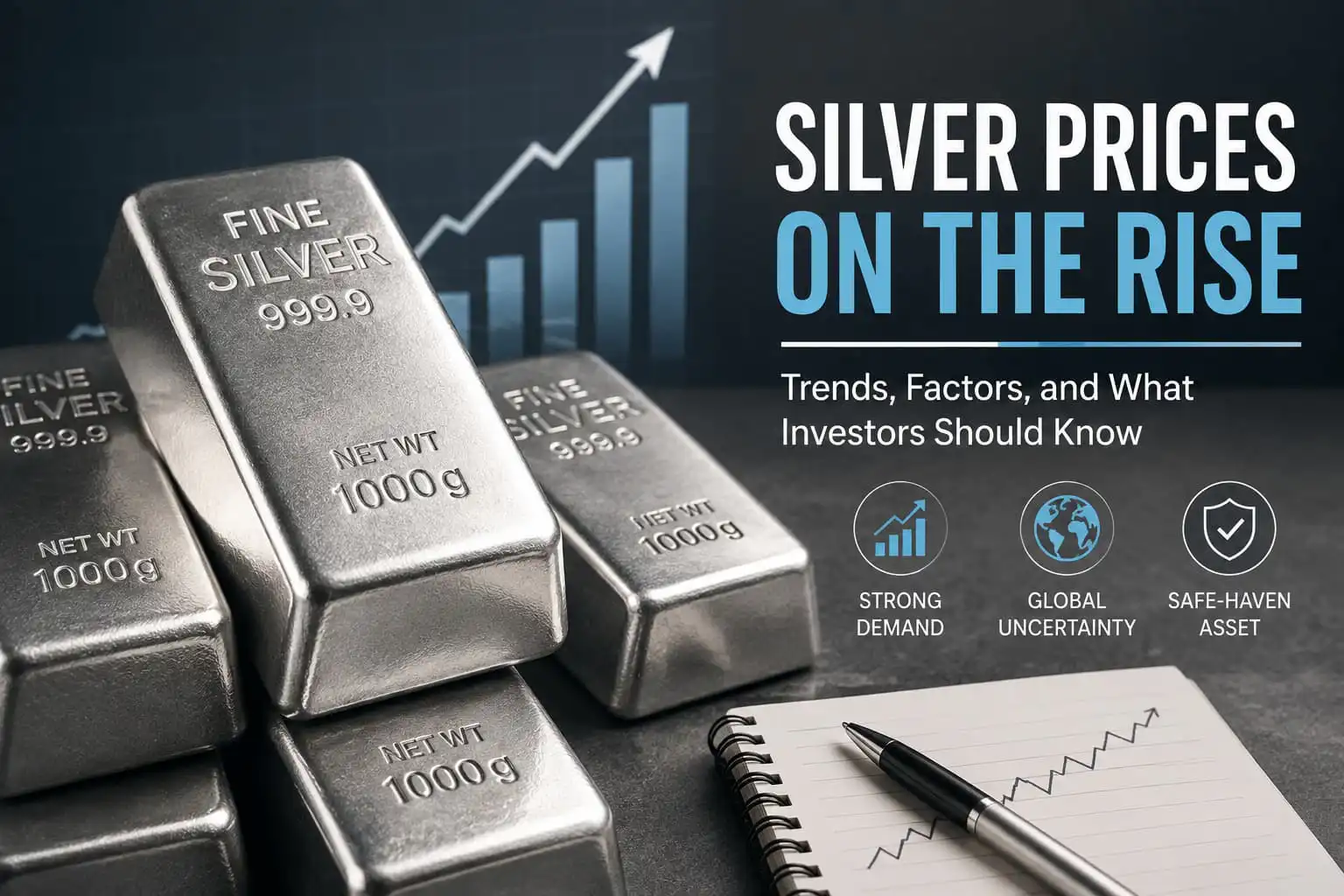
Silver Price Today: Understanding Current Silver Market Values
Silver is one of the most actively followed precious metals in the financial market. Its value can move throughout the day as traders, investors, industries, and financial institutions react to changes in economic conditions. Anyone interested in purchasing physical silver or learning more about precious metals can benefit from understanding how the silver price today is calculated and what influences it.
The market value of silver is generally represented by its spot price, which provides a reference for the value of the metal before additional retail costs are included. Since silver is traded internationally, its price can respond quickly to developments involving currencies, interest rates, industrial activity, inflation expectations, and investor sentiment.
What Is the Silver Price Today?
The silver price today usually refers to the latest spot value of silver, commonly expressed in U.S. dollars per troy ounce. A troy ounce is the standard unit used when measuring precious metals and is different from the ordinary ounce used for everyday goods.
Silver prices can also be calculated in grams and kilograms. One troy ounce contains approximately 31.1 grams of silver, making it possible to convert the quoted market value into other measurements when comparing different bullion products.
Because silver markets are constantly changing, the quoted price can rise or fall during trading hours. Buyers who are planning a purchase should therefore check the latest available market price rather than relying on an outdated figure.
How Is the Silver Price Determined?
Silver pricing is influenced by buying and selling activity in international financial markets. Futures contracts and other financial instruments contribute to price discovery, while established bullion markets provide important reference points for the global industry.
Trading activity in major financial centers can affect silver prices as participants respond to new economic information. Events taking place in one part of the world can therefore influence prices in another market within a relatively short period.
The spot price is useful as a market benchmark, but it does not necessarily represent the final amount paid by someone purchasing physical silver. Retail products generally include additional costs that reflect manufacturing, distribution, and other expenses.
What Factors Affect Silver Prices?
Many different forces can influence the value of silver. Supply and demand are among the most important. If demand grows while production remains limited, prices may experience upward pressure. If demand weakens or supply increases, prices can move in the opposite direction.
Industrial consumption is especially significant for silver because the metal is used in a wide range of products and technologies. Electronics, solar panels, automobiles, medical equipment, and electrical applications all contribute to industrial demand.
Investment activity can also have a major effect. Investors may become more interested in silver during periods of economic uncertainty, inflation concerns, currency fluctuations, or geopolitical instability.
The U.S. dollar and interest rates are additional factors worth watching. Since silver is generally priced in dollars, changes in the value of the currency can affect its attractiveness to buyers in other countries.
Why Does Physical Silver Cost More Than Spot Price?
Premiums can cover expenses involved in refining, producing, minting, packaging, transporting, and selling physical silver. The amount added to the spot price varies according to the product, manufacturer, quantity, market conditions, and level of demand.
A standard silver bar may have a different premium from a government-issued coin or a collectible piece. Larger bullion products can sometimes have lower premiums per ounce because production and handling expenses are distributed across a greater quantity of metal.
For this reason, buyers should compare the total purchase price with the current spot value instead of judging a product solely by its advertised price.
Silver Price Per Ounce, Gram, and Kilogram
Although the troy ounce is the most common unit used for silver pricing, other measurements can make comparisons easier. Smaller purchases are often evaluated by price per gram, while larger investments may be considered in kilograms.
Converting prices between these measurements allows buyers to compare products of different sizes more effectively. For example, someone evaluating several silver bars can calculate their approximate metal value and determine how much additional premium is being charged.
Why Track the Silver Price Today?
Monitoring daily silver prices can help buyers and investors understand how the market is behaving. Looking at the latest price gives a current reference point, while examining historical movements can provide additional context.
Short-term changes may be caused by market news, currency movements, trading activity, or changes in investor sentiment. Longer-term trends can provide a broader perspective on how silver has responded to economic and industrial developments.
Tracking prices can also help people evaluate whether the premium attached to a physical silver product appears reasonable. Comparing different dealers and product sizes may reveal meaningful differences in overall purchasing costs.
Silver Supply and Industrial Demand
Silver has an unusual role in the commodities market because it is both a precious metal and an important industrial material. Its physical and electrical properties make it useful in numerous modern applications.
Solar technology, electronics, electrical components, vehicles, medical equipment, and other industries contribute to ongoing silver consumption. As technological development continues, changes in industrial production can influence the amount of silver required by manufacturers.
Mining supply is another part of the equation. Increasing mine production can take considerable time, meaning supply does not always respond immediately when demand changes. This relationship between production and consumption can become an important factor in determining long-term market conditions.
Is Silver a Good Investment?
Silver may be suitable for some investors as part of a diversified portfolio, but it is not without risk. The market can experience substantial price movements, and the value of physical silver may fluctuate considerably over time.
Some buyers choose silver because they want to own a tangible asset, while others use precious metals as a way to diversify their investments. Silver can also be more accessible than gold because its price per ounce is generally lower.
However, investors should consider several factors before making a purchase. These include their financial objectives, available budget, investment timeframe, tolerance for price fluctuations, storage arrangements, and transaction expenses.
There is no guarantee that silver prices will increase, so decisions should be based on individual circumstances rather than short-term market movements.
Final Thoughts on Silver Prices
Understanding the silver price today involves more than checking a single number. The spot price provides an important starting point, but physical buyers should also consider premiums, product types, market demand, industrial consumption, economic conditions, and other factors that influence the final cost.
Whether the goal is to research precious metals or purchase physical bullion, staying informed about current market conditions can support better decision-making. Comparing the underlying silver value with the total purchase price also makes it easier to assess different products and understand what is actually being paid for the metal.
By following market developments and understanding the factors behind price movements, buyers can approach silver with a clearer perspective and make decisions that better match their individual financial goals.
