Sustainable aviation in regional networks: challenges and opportunities
Sustainability has become a key concept across all industries. The truth is that customers and potential customers are more likely to use a sustainable service.
Naturally, some industries have found it easier to become sustainable: aviation is not one of those.
However, while it is challenging, regional airlines are taking steps to rectify this issue.
Challenges Facing Sustainable Aviation
The aviation industry, both regional and international, creates a significant quantity of nitrogen oxides which have been shown to contribute to radiation forcing. Equally, condensation trails are causing issues for the environment, and aviation fuel is a kerosene-based fuel, derived from fossil sources.
In other words, sustainable aviation is challenging as plane emissions can damage the environment. In addition, the fuel is created using scarce products, such as oil.
To complicate things further, there has been a gradual increase in passenger numbers, meaning more planes are required to move people effectively. Naturally, this increases the number and duration of flights.
In turn, this means airlines need more fuel, which boosts the number of emissions and the costs to the airline.
Sustainable aviation is more than an airline company reducing fuel usage or switching to sustainable fuel. To achieve true sustainability, it’s necessary for all parts of the industry to be involved – from aircraft manufacturers to fuel providers, and even air traffic management authorities.
It should be noted this problem isn’t going to disappear by itself. Estimates suggest airline use will double, and potentially even triple, in the next thirty years.
Steps To Create Sustainable Aviation
There are several steps the regional aviation industry can take to boost aviation sustainability.
Switch to Sustainable Aviation Fuel
SAF – Sustainable Aviation Fuel is a specially developed fuel for use in planes. It’s created from renewable and waste-based feedstocks, including cooking oils and animal fats.
Alternate fuel can reduce harmful emissions by as much as 80%. Companies such as ATR have already successfully completed flights running solely on SAF. It’s now necessary for other manufacturers and airlines to embrace the concept.
More Efficient Flight Operations
This needs to be a joint effort between air traffic control and airlines. Using modern technology, it is possible to undertake performance-based navigation. In other words, finding the optimal path and speed to fly between places. This reduces fuel usage, costs, and emissions.
In addition, air traffic controls should focus on continuous descent options, allowing an aircraft to start its descent early and practically glide into the airport and its runway slot. This can significantly reduce travel time and fuel costs.
Use of Turboprops
Regional flights can be difficult to balance. Large planes are not generally a good option as they may struggle with the size of the runway. In addition, it’s difficult to fill all the seats on a large plane when flying regionally.
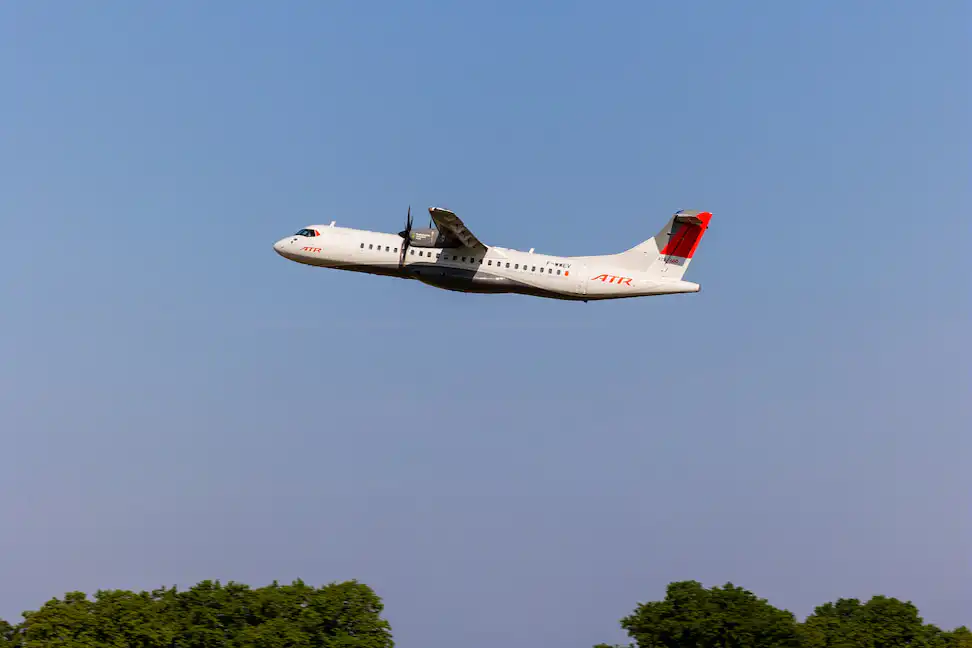
Turboprop aircraft are smaller, fly at lower altitudes, and can fly at slower speeds. This effectively reduces fuel use and helps to keep regional flights a viable option.
Improved Technology
Lighter aircraft, more efficient engines, and improved aerodynamics can all help planes to fly further for less. Aircraft manufacturing and development companies need to focus on improving these areas for all planes to help improve sustainable aviation.
Summing Up
Sustainable aviation, especially when it concerns regional flights, is a possibility. However, it needs more work from all parties before it can deliver on its potential.
That said, sustainable aviation is already an option, more airlines need to purchase turboprop aircraft and use SAF, to help the industry become more sustainable.

Table of Contents