How Payment Gateways Improve Checkout Speed, Security, and Conversions
The checkout process is where revenue either gets captured or lost. Everything that happened before that moment — the marketing, the product discovery, the decision to add something to a cart — can be undone by friction at the final step. Customers who’ve decided to buy still abandon the process in meaningful numbers when checkout is slow, confusing, or raises doubts about security. The payment gateway is the technical infrastructure that determines whether that final step goes smoothly or introduces the friction that drives abandonment.
Understanding what a payment gateway actually does — distinct from the payment processor and the merchant account that are often conflated with it — clarifies why it matters as a distinct variable in the checkout experience rather than simply a commodity piece of plumbing that any option will handle equally well.
What a Payment Gateway Actually Does
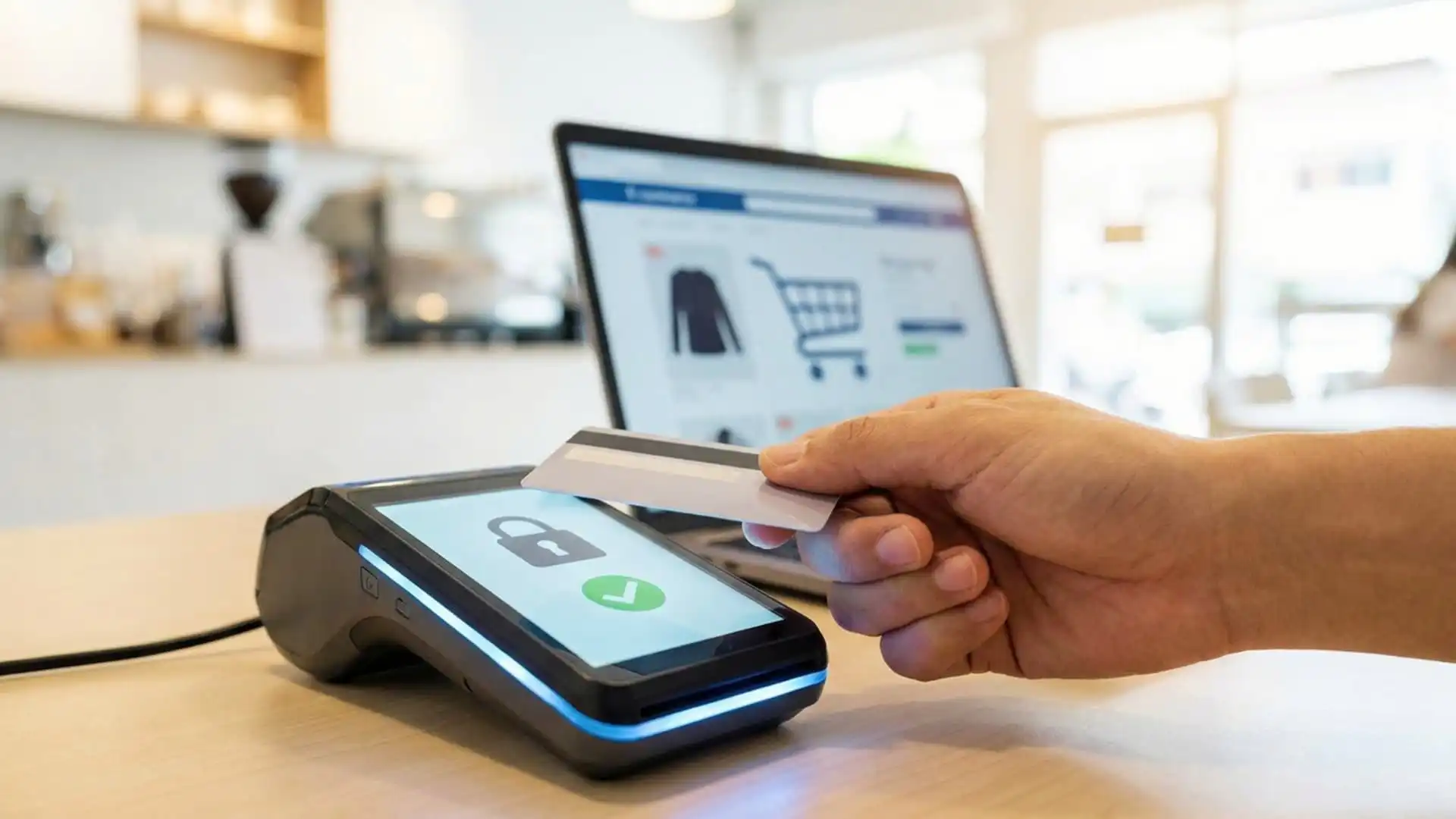
A payment gateway is the technology that transmits transaction data between the customer, the merchant, and the financial institutions involved in authorizing and settling a payment. When a customer enters card details at checkout, the gateway encrypts that data, routes it to the payment processor for authorization, receives the authorization response, and communicates the result back to the merchant and customer in real time.
This happens in seconds when the gateway performs well and in a noticeably longer interval when it doesn’t. The authorization process itself involves multiple handoffs between systems, and a gateway that handles those handoffs efficiently — with minimal latency and high uptime — contributes to a checkout experience where the transaction feels instant. A gateway with performance issues introduces the pauses that make customers question whether their payment went through, whether they should try again, or whether they should simply abandon the transaction.
Checkout Speed and Its Effect on Conversion
Transaction authorization speed has a measurable relationship with conversion rates, and the effect is more significant than the absolute time involved might suggest. A checkout page that completes a transaction in under a second feels like a seamless experience. One that takes three or four seconds feels like something is wrong. Customers don’t consciously calculate that difference — they feel it, and their behavior reflects it in the form of higher abandonment rates at slower checkouts.
Beyond raw authorization speed, gateway features that reduce the steps required to complete a payment contribute to checkout speed in a different way. Saved payment methods that allow returning customers to check out without re-entering card details. Autofill compatibility that reduces manual entry for new customers. One-click purchasing flows that remove confirmation steps for transactions below defined risk thresholds. Each of these reduces the cognitive and physical friction between the decision to buy and the completed transaction.
Security Infrastructure and Customer Trust
The security function of a payment gateway is foundational in two senses. First, it protects the transaction from the fraud and interception risks that unprotected payment data transmission would create. Encryption at the point of data entry, tokenization that replaces sensitive card data with a non-sensitive equivalent for storage and processing, and fraud detection tools that assess transaction risk in real time are all gateway-level functions that protect both the customer and the merchant.
Second, visible security signals at checkout affect customer confidence in ways that influence conversion independently of whether fraud actually occurs. The HTTPS indicator, recognizable payment security badges, and the presence of familiar payment method logos all contribute to a checkout environment that customers recognize as legitimate and trustworthy. The absence of these signals — particularly for less well-known merchants — raises the threshold of trust a customer needs to cross before completing a purchase.
Integration With the Broader Commerce Stack
A payment gateway doesn’t operate in isolation, and its compatibility with the e-commerce platform, the shopping cart, the accounting system, and the fraud management tools a merchant uses affects how much of the checkout experience it enables or constrains.
Native integrations that work without custom development, API access for merchants who need customized payment flows, and compatibility with the specific platforms a merchant is already running are practical selection criteria that determine whether the gateway fits the technical environment rather than working against it. A gateway with excellent performance characteristics that requires significant integration work for a specific platform creates implementation costs that offset the performance benefit, particularly for merchants without significant development resources.
Supporting Multiple Payment Methods
Customer payment preferences have diversified beyond credit and debit cards in ways that vary significantly by market and customer segment. Digital wallets, buy-now-pay-later options, bank transfer methods, and international payment methods each address customer segments that won’t complete a transaction if their preferred payment method isn’t available.
A gateway that supports a broad range of payment methods — and that handles the different authorization and settlement flows those methods involve — allows merchants to meet customers where they are rather than losing transactions from customers whose preferred method wasn’t offered. The specific methods worth supporting depend on the merchant’s customer base and geographic markets, but the gateway’s capability to support them should be confirmed before selection rather than discovered as a limitation after deployment.
The Compounding Value of Getting It Right
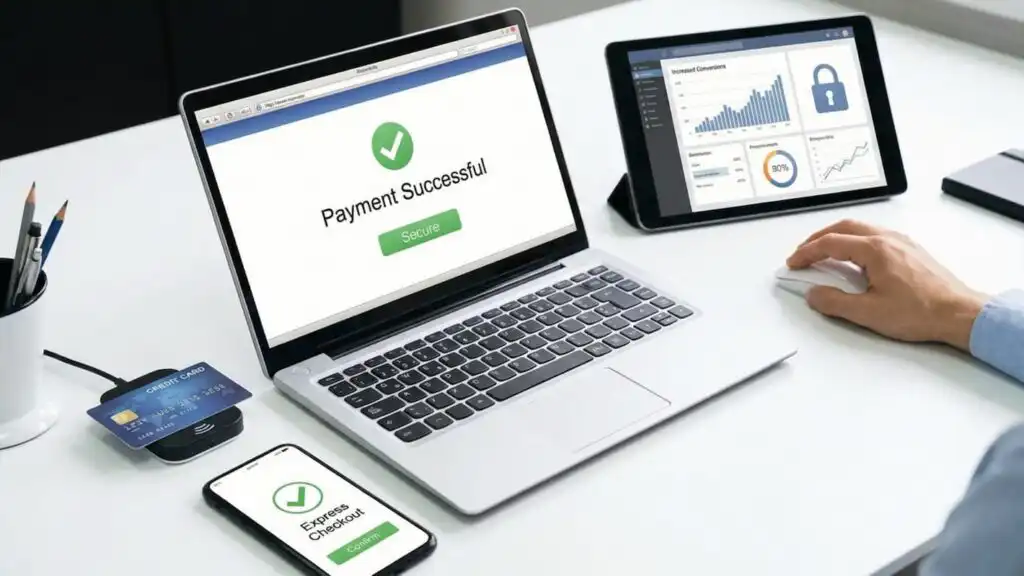
Checkout performance improvements compound in a way that makes gateway selection a high-leverage decision. The conversion rate lift from a faster, more trusted, more flexible checkout applies to every transaction the merchant processes — which means even small percentage improvements translate into meaningful revenue impact at any significant volume.

Table of Contents