How Connected Technology Quietly Changed the Way We Handle Data Every Day
Most people probably do not think about data very much while sitting in their living room watching television. You open an app, scroll for something to stream, maybe pause halfway through a movie because somebody suddenly wants snacks, and that’s basically it.
Feels simple enough.
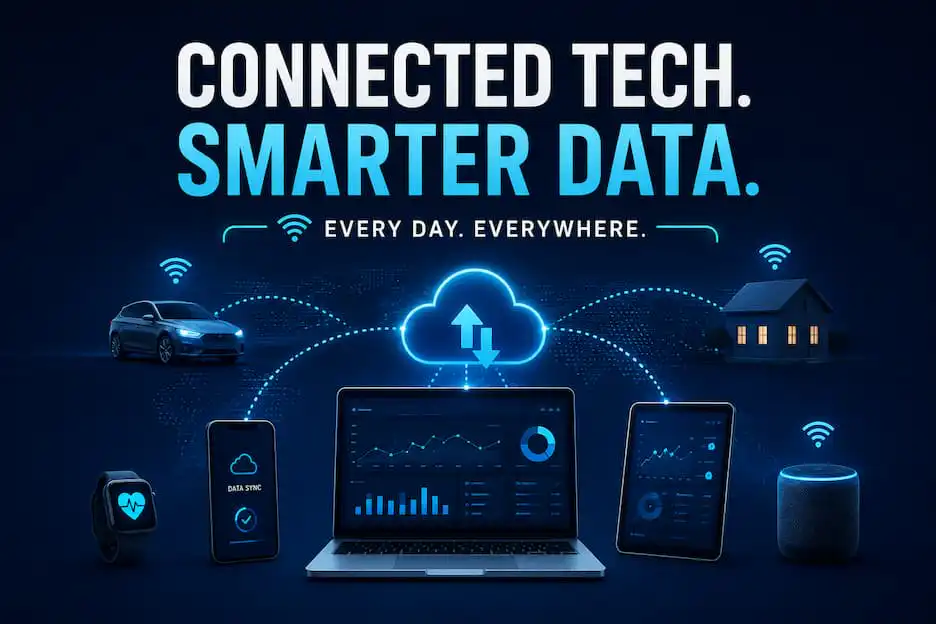
But honestly, behind almost every connected device now, massive amounts of information move constantly between platforms, cloud systems, recommendation engines, and analytics tools without users noticing most of it happening.
And the thing is, the same phenomenon transforming entertainment devices at home is also reshaping how large businesses manage information internally. Different scale obviously. Similar patterns though.
That overlap feels surprisingly important.
Consumer devices became much smarter quietly
A lot of connected technology evolved gradually enough that people barely noticed how sophisticated it became.
Smart televisions are a good example honestly. Years ago televisions mostly displayed cable channels or DVDs. Now many households spend more time inside streaming ecosystems, connected apps, voice search systems, and personalized recommendations than traditional broadcasting entirely.
Something like Samsung Smart TV apps now functions less like simple television software and more like a connected platform constantly adapting around viewing habits, preferences, search behavior, and account activity across devices.
Most people do not actively think about that while watching a show after work obviously.
But data sits underneath almost every interaction now. Recommendations, streaming quality adjustments, app syncing, personalized home screens. Tiny background systems working constantly.
Very constantly honestly.
Businesses face the same connected-data challenge at larger scale
This is where things start overlapping with enterprise technology.
Companies now operate inside huge connected environments too. Customer activity, sales reporting, operational metrics, employee systems, logistics data, marketing platforms, financial reporting. Information moves across departments continuously all day long.
And honestly, businesses struggle with this complexity more than people realize.
Because once information spreads across dozens of disconnected systems, teams start losing visibility into what data actually matters, where it lives, or how current it remains. One department updates reports differently than another. Dashboards stop matching. Teams waste hours reconciling conflicting information manually.
That chaos grows quietly.
Especially inside larger organizations where operational systems evolved over years without centralized planning originally.
Cloud platforms changed expectations around accessibility
People expect information availability almost everywhere now.
At home, users expect streaming platforms syncing automatically across televisions, phones, tablets, and laptops without much setup involved. At work, businesses expect operational data remaining accessible across departments, devices, and locations simultaneously too.
That’s partly why companies increasingly invest in the best cloud-based-big-data analytics solutions because traditional local systems often struggle keeping pace with growing amounts of operational information moving constantly between platforms.
And honestly, businesses want faster visibility into trends, customer behavior, operational bottlenecks, and reporting insights without waiting days for manual analysis every single time.
Makes sense honestly.
Convenience creates new complexity too
This part gets overlooked constantly.
Connected systems make daily life easier in many ways, but they also create hidden layers of operational dependency most users barely notice until something stops working suddenly. Streaming apps fail. Accounts disconnect. Cloud dashboards stop syncing correctly. Notifications arrive late. Permissions break unexpectedly.
Very modern type of frustration honestly.
And businesses deal with larger versions of the same problem.
One broken integration can disrupt reporting systems, customer communication, inventory tracking, or operational planning across multiple departments simultaneously. The more connected platforms become, the more organizations depend on invisible infrastructure functioning properly underneath daily operations.
That dependency grows quickly.
People now expect personalization everywhere
Streaming platforms recommend shows automatically because users expect personalized experiences now. Businesses apply similar thinking internally by tailoring dashboards, reports, customer insights, and operational alerts around specific user roles or priorities.
Generic information feels less useful than before.
And honestly, personalization changes how people interact with technology emotionally too. Systems start feeling more intuitive when platforms adapt around behavior patterns instead of forcing users through identical experiences constantly.
Still, personalization creates its own challenges around privacy, data governance, and operational transparency. Especially once organizations begin handling huge volumes of user behavior information across connected systems.
That balance feels tricky sometimes.
Connected platforms are becoming ordinary infrastructure
People used to think of connected platforms as optional technology upgrades. Now they function more like basic infrastructure quietly supporting entertainment, communication, business operations, and daily routines simultaneously.
Most users barely notice the complexity anymore because connected systems became normalized so quickly.
And honestly, that normalization changed expectations permanently.
From living rooms to enterprise operations, people now expect information moving fluidly between systems, devices, and platforms without requiring much manual coordination at all. When those systems work well, they disappear into the background almost invisibly. But underneath that convenience sits an enormous amount of constantly moving data shaping how people relax, work, communicate, and make decisions every single day.

Table of Contents