How Can Road Design Increase the Chances of a Pedestrian Accident
Roads quietly shape every trip long before a driver presses the gas or a person steps off the sidewalk. A clear crossing, bright lighting, and easy to read signs can make walking feel safe, while poor design can create danger without warning. Busy streets are not always risky because of traffic alone. Sometimes the layout itself makes it harder for everyone to react in time.
That is why pedestrian accident legal help often begins with understanding more than the actions of the people involved. Looking closely at road design reveals how small planning decisions can have a big effect on pedestrian safety.
Small Design Choices Can Create Bigger Risks
Roads are built to move vehicles and people through the same space. Good planning helps both groups travel safely, but even small design problems can increase the chance of a collision. A crosswalk placed too close to a sharp turn or a sidewalk that suddenly ends can create confusion for both drivers and pedestrians.
Drivers depend on clear road layouts to make quick decisions. Pedestrians also rely on safe places to cross and enough time to reach the other side. If the design makes those decisions harder, the chance of an accident naturally becomes higher. Good road design reduces confusion before it becomes a safety problem.
Road Features That Can Increase Pedestrian Accident Risks
Limited Visibility Around Crossings
Drivers cannot react to dangers they cannot see. Curves, parked vehicles, large trees, utility poles, and even advertising signs can block the view of someone waiting to cross the road. A crosswalk hidden behind these obstacles gives both drivers and pedestrians less time to respond.
Visibility problems also happen if crosswalks are placed in areas where approaching traffic has little warning. Even careful drivers may struggle to stop quickly if they notice a pedestrian too late. A clear line of sight helps everyone make safer decisions.
Fast Moving Traffic Near Walking Areas
Some roads naturally encourage higher speeds because they are wide, straight, and open. Although these roads may improve traffic flow, they can create greater risks for pedestrians. Higher speeds reduce the time drivers have to notice people crossing the street.
Long crossing distances add another challenge. People may still be crossing while traffic begins moving again. Without speed calming features such as raised crossings or narrower lanes, busy roads can become difficult places for pedestrians to navigate safely. Road design should balance vehicle movement with pedestrian protection.
Poor Lighting and Unclear Road Markings
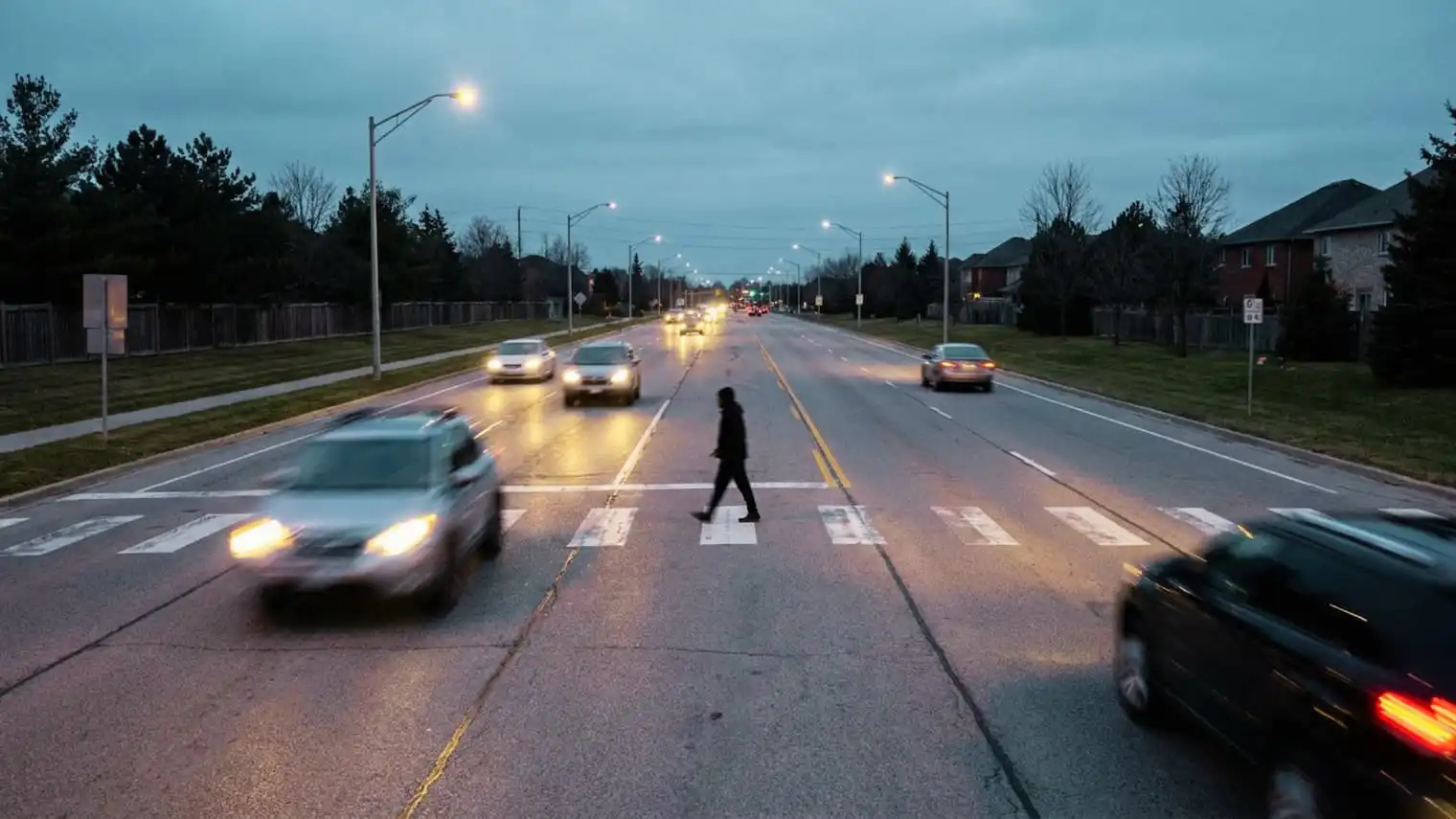
A well designed crossing should remain easy to see during both day and night. Poor lighting can hide pedestrians from approaching drivers, especially during early mornings, evenings, or bad weather. Faded crosswalk markings also make crossing areas less noticeable.
Missing pedestrian signs or worn lane markings add even more confusion. Drivers may not realize they are entering an area with frequent foot traffic until it is too late. Simple maintenance can greatly improve visibility and reduce unnecessary risks.
Why One Design Problem Can Affect Everyone
Road safety depends on many parts working together. A single problem may seem small, but several design issues at one location can quickly increase the chance of an accident.
Drivers may have less time to react because of blocked visibility or higher speeds. Pedestrians may struggle to judge safe gaps in traffic if crossings are unclear. Busy intersections become more confusing if signs, signals, and road markings do not work together properly.
These situations remind us that road design affects every person using the street. For those seeking legal help, understanding how roadway conditions contributed to an accident may become an important part of reviewing what happened after a serious collision.
Simple Features That Help Make Roads Safer
Small improvements often make a noticeable difference in pedestrian safety. Some helpful road features include:
- Bright and clearly marked crosswalks.
- Better street lighting during low visibility hours.
- Pedestrian refuge islands on wide roads.
- Lower speed limits in busy walking areas.
- Easy to see traffic signs and crossing signals.
- Well maintained sidewalks that provide safe walking paths.
Each feature supports safer decisions for both drivers and pedestrians while reducing confusion on busy streets.
Conclusion
Road design influences safety long before anyone reaches an intersection or steps into a crosswalk. Clear visibility, proper lighting, lower traffic speeds, and well planned crossings all help reduce the chances of serious pedestrian accidents. Small design problems may appear harmless on their own, but together they can create situations where drivers and pedestrians have very little time to react.
Understanding these risks helps explain why every detail of a roadway matters. Whether someone is learning about safer streets or exploring pedestrian accident legal help, paying attention to road design offers a better understanding of how many accidents can be prevented.

Table of Contents