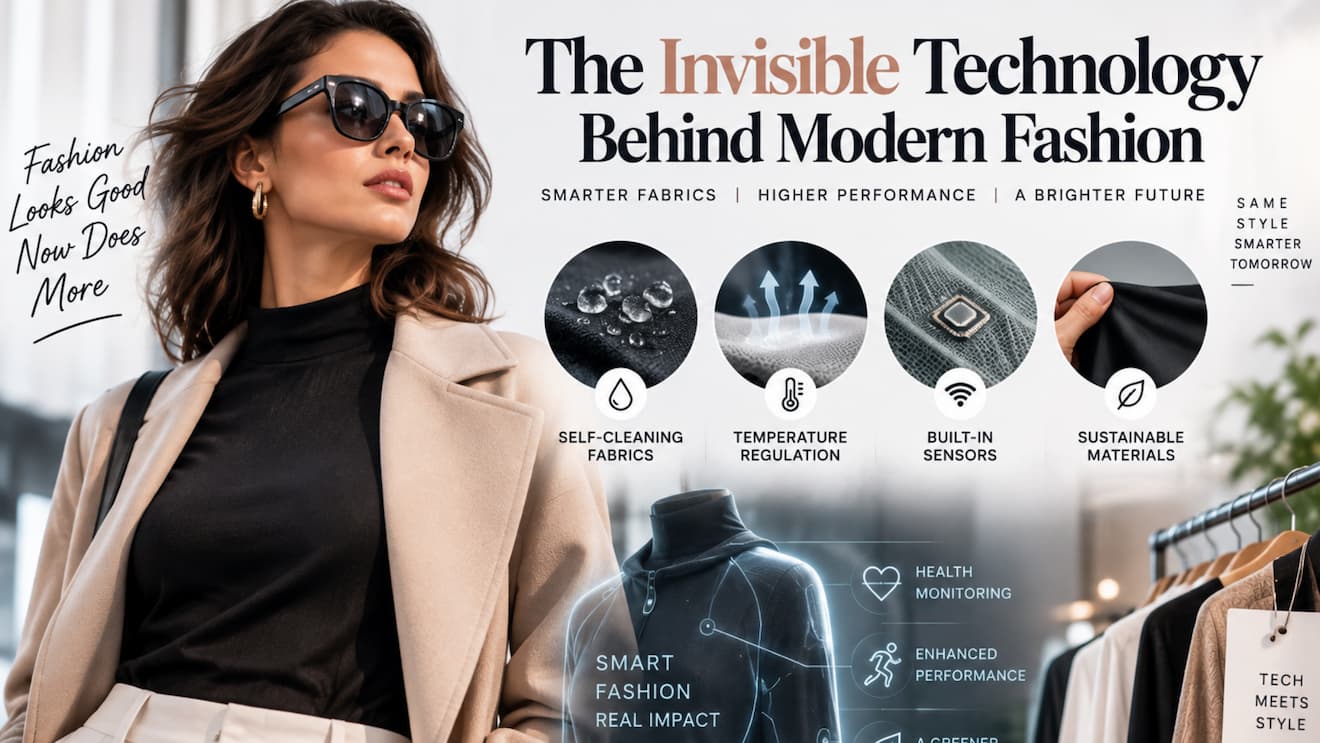
The Invisible Technology Behind Modern Fashion
Technology is changing fashion, but not always in obvious ways. The most interesting innovations are not necessarily loud, bulky, or futuristic-looking. They are often quiet features built into products people already understand: glasses, watches, jewelry, bags, shoes, and everyday clothing. Modern fashion is becoming smarter because technology is starting to disappear into design.
Fashion Is Becoming More Intelligent
Fashion has always responded to lifestyle. When people travel more, clothing becomes lighter and easier to pack. When work becomes more flexible, wardrobes become more versatile. Now that daily life is shaped by apps, AI, cameras, audio, payments, and connected devices, fashion is adapting again.
This does not mean every outfit needs visible technology. In many cases, smarter fashion simply means products are becoming more useful. A watch can track wellness. A ring can monitor sleep. A bag can support charging. Eyewear can combine style with audio, camera features, and connected tools.
That shift fits into a wider pattern of everyday devices becoming more personal and practical, as seen in how gadgets have changed the way people live. The next stage is less about carrying more devices and more about making useful technology feel natural.
The Accessory Becomes the Interface
Accessories are becoming one of the most important places for technology because people already wear and carry them. Glasses sit close to the eyes and ears. Watches stay on the wrist. Rings and bracelets are small enough for all-day wear. Bags move with people from home to work, travel, and social plans.
That makes accessories a natural interface between fashion and digital life. Instead of opening a phone for every small task, people may use wearable accessories for quick communication, content capture, payments, reminders, or health insights.
This is a major reason smart eyewear is attracting attention. Glasses are no longer limited to vision, sun protection, or style. They can also become a hands-free way to interact with digital tools during everyday movement.
Function Without the Tech Look
The most successful fashion technology does not look like technology first. It looks like something people would want to wear anyway.
That is where Oakley meta glasses offer a useful example. They show how eyewear can combine familiar sunglass design with smart functionality for people who want connected features without a heavy gadget look. For active users, travelers, creators, and everyday wearers, this kind of design matters because the technology has to fit real outfits and real routines.
Function only works in fashion when it respects comfort and appearance. If a product is awkward, heavy, or too visually technical, people may stop wearing it no matter how advanced it is.
Strong smart fashion usually depends on:
- Comfortable fit
- Familiar styling
- Easy daily use
- Useful features
- Durable materials
- Clear privacy controls
The goal is not to make fashion look robotic. The goal is to make useful technology feel wearable.
Personalization Is the Next Step
Personalization is where fashion technology becomes even more interesting. AI can help shoppers discover products, compare styles, and make choices based on preferences, habits, and lifestyle. Instead of browsing endless options, consumers can receive more relevant suggestions.
The fashion industry is already exploring how generative AI can support fashion design, merchandising, marketing, and shopping experiences. For consumers, the value is simple: technology can make fashion feel less generic and more useful.
Personalization can appear through:
- Style recommendations
- Virtual try-ons
- Custom fit suggestions
- Smart shopping tools
- Wearable settings
- Connected apps
- Adaptive accessories
This does not remove personal taste. It supports it. The best technology helps people find choices that feel closer to who they are and how they live.
Digital Style Is Already Part of Culture
Fashion is no longer limited to physical clothing. People express identity through digital spaces, social media, gaming, avatars, and online communities. That is why the line between fashion, technology, and culture keeps getting thinner.
The rise of digital fashion trends in gaming shows how style can exist beyond the traditional wardrobe. People now use both physical and digital items to communicate taste, status, belonging, and personality.
Wearable technology sits between those worlds. It is physical enough to be worn, but digital enough to connect with apps, media, AI tools, and online experiences. That makes it a key part of fashion’s next phase.
The Future Is Seamless
The future of smart fashion will likely be quieter, more personalized, and more seamless. Instead of technology demanding attention, it may work in the background. Eyewear may support hands-free communication. Jewelry may track wellness discreetly. Bags may support charging and organization. Clothing may adapt to movement, climate, or activity.
At the same time, connected fashion will need stronger trust. Devices that include apps, cameras, microphones, sensors, or stored data require clear privacy and security habits. Basic guidance on securing connected devices is increasingly relevant as everyday accessories become smarter.
The best future for fashion technology is not about adding features everywhere. It is about adding the right features in ways that feel useful, comfortable, and natural.
Final Thoughts
The invisible technology behind modern fashion is changing how people think about style. Accessories and clothing are becoming more intelligent, more personal, and more connected, but the most successful designs still feel familiar.
Fashion technology works best when it does not overwhelm the wearer. It should support daily life, improve convenience, and fit personal style without turning every outfit into a gadget statement.
As AI and wearable technology continue to grow, the future of fashion will not only be smarter. It will feel more seamless, more practical, and more closely connected to how people actually live.

Table of Contents