The Devil Wears Prada 2 and Fashion Nostalgia
Almost 20 years after Miranda Priestly first told audiences to “gird your loins,” Hollywood brought her back.
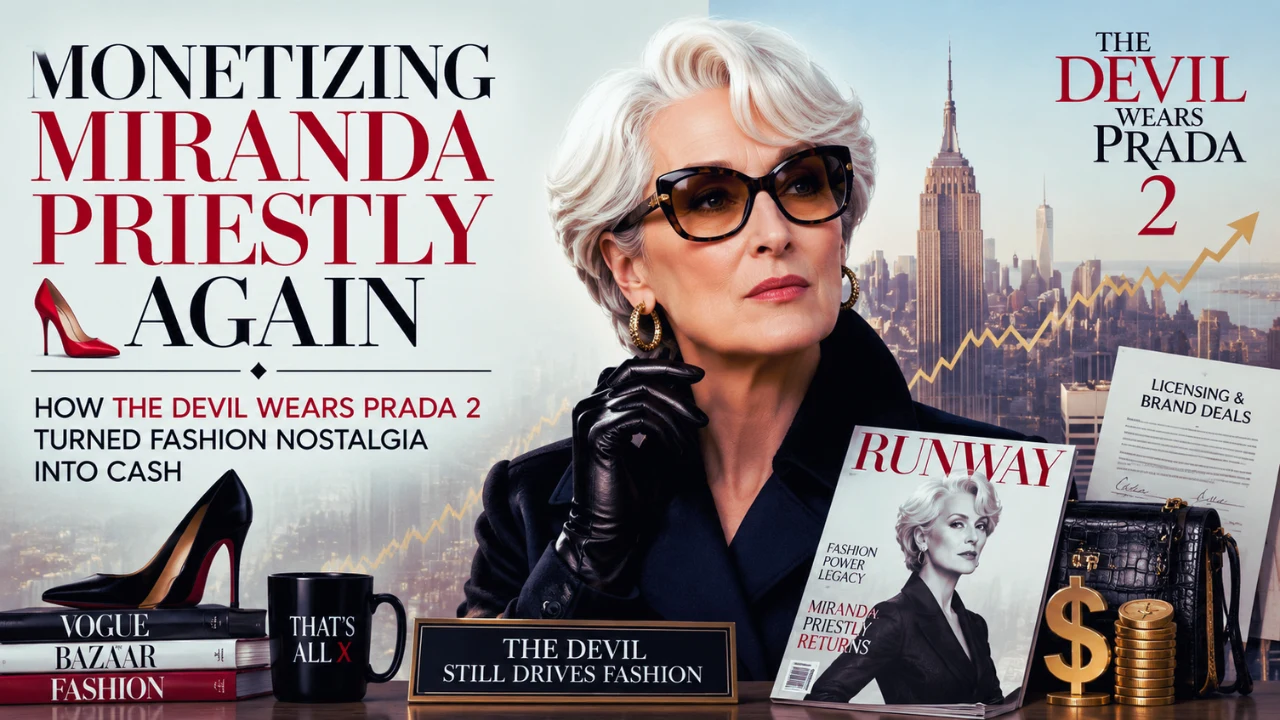
That decision was never just about revisiting an iconic character. Monetizing Miranda Priestly Again: How The Devil Wears Prada 2 Turned Fashion Nostalgia Into Cash is really a story about intellectual property, audience loyalty, and the growing value of cultural memory in modern entertainment.
Studios have learned that nostalgia is one of their safest investments. From legacy sequels to rebooted franchises, familiar characters often arrive with built-in marketing advantages. In the case of The Devil Wears Prada 2, Disney and 20th Century Studios returned to one of fashion cinema’s most enduring brands, betting that audiences would once again pay to enter Miranda Priestly’s world. Public reports indicate the original creative team and principal cast returned, reinforcing the value of continuity.
What makes this sequel especially interesting is that it sits at the intersection of Hollywood money, fashion branding, and celebrity business economics.
Why This Celebrity Wealth Trend Matters Now?
Hollywood is increasingly operating like private equity.
Studios acquire or own intellectual property, hold it for years, and reactivate it when audience demand peaks. Nostalgia has become an asset class. Films like Top Gun: Maverick, Beetlejuice Beetlejuice, and The Devil Wears Prada 2 demonstrate that legacy brands can continue generating revenue decades later.
Miranda Priestly is more than a fictional editor. She is a recognizable cultural symbol tied to fashion, ambition, luxury, and workplace power. That kind of brand equity is difficult to create and even harder to replicate.
The timing also matters. Fashion content continues to thrive across TikTok, YouTube, and streaming platforms, while younger audiences regularly discover older films through digital distribution. The original The Devil Wears Prada never truly disappeared. It continued generating attention through memes, streaming rights, merchandise, and social conversation long after its theatrical run ended.
By the time the sequel arrived, Disney was not introducing a new property. It was reactivating an existing one.
The Business Model Behind the Money
At its core, The Devil Wears Prada 2 operates across multiple revenue streams.
Theatrical revenue remains important, but studios now think beyond box office receipts. They consider streaming rights, international distribution, licensing opportunities, soundtrack revenue, promotional partnerships, and long-tail audience engagement.
Industry reporting suggested the sequel carried a substantially larger budget than the original, reflecting the increased value of its cast and franchise status.
Salary Versus Ownership
Actors typically receive upfront compensation for their performances. In some cases, major stars negotiate backend participation tied to box office performance or other metrics.
However, ownership creates a different kind of wealth.
Disney owns the film rights through its studio structure, meaning the company benefits from future monetization opportunities long after production costs are recovered. This distinction highlights an important lesson in celebrity wealth analysis: the biggest financial winners are often the entities that own the intellectual property.
Meryl Streep’s reported compensation, whatever its precise figure may be, represents income. Disney’s ownership represents a long-term asset.
That difference explains why Hollywood increasingly prioritizes franchises over one-off films.
Brand Equity and Audience Trust
Miranda Priestly’s value extends beyond ticket sales.
Her image carries decades of audience recognition. Fashion magazines still reference the character. Quotes from the original film continue circulating online. Even luxury fashion discussions frequently mention Miranda alongside real industry figures.
Brand equity functions like compound interest. Every year a cultural property remains relevant, its commercial value can increase.
That is why studios aggressively protect recognizable intellectual property. Familiar brands reduce marketing risk and provide audiences with a clear reason to engage.
Helpful Table
| Wealth Driver | How It Works | Why It Matters |
|---|---|---|
| Salary | Upfront payment for acting or production work | Creates immediate income |
| Royalties | Ongoing payments from licensed uses | Supports long-term earnings |
| Licensing | Authorized use of brands and IP | Extends revenue opportunities |
| Streaming Rights | Distribution agreements with platforms | Adds recurring value to content libraries |
| Residual Income | Payments tied to reuse under applicable agreements | Can provide continuing earnings |
| Brand Equity | Cultural recognition and audience loyalty | Increases commercial potential |
| Ownership | Control of intellectual property | Often creates the greatest long-term value |
Why Traditional Net Worth Estimates Often Miss the Full Picture?
Celebrity net worth discussions rarely tell the entire story.
Public estimates often exclude taxes, management fees, business expenses, private investments, and undisclosed deal structures. They also struggle to account for intangible assets like reputation and negotiating leverage.
A star returning to an iconic role can improve future earning power across multiple projects. Increased visibility can influence endorsement deals, speaking engagements, and other business ventures.
Similarly, studios rarely disclose the full economics of entertainment properties. Licensing agreements, international sales, and internal accounting structures are not always public.
That is why celebrity wealth remains difficult to measure accurately.
When readers search for celebrity net worth, they are often looking at a snapshot rather than the complete financial picture.
That Shows How This Works
Hollywood has repeatedly demonstrated the value of nostalgia.
- Top Gun: Maverick leveraged a decades-old franchise to become a global box office success. Beetlejuice showed that audiences remain willing to revisit beloved characters.
- The Devil Wears Prada generated enduring cultural relevance that justified a sequel nearly twenty years later.
The common thread is simple: established intellectual property reduces uncertainty.
Audiences already understand the premise, studios spend less time building awareness, and media coverage arrives organically because the cultural foundation already exists.
That does not guarantee success, but it improves the odds.
The Risks Behind Celebrity Business Ventures
Nostalgia is powerful, but it is not foolproof.
Audiences can reject sequels that feel unnecessary or disconnected from the original. Overreliance on established brands may also limit investment in new ideas.
Celebrity-driven projects face similar challenges.
A recognizable name cannot compensate for poor storytelling, weak management, or changing consumer tastes. Fashion trends evolve. Public sentiment shifts. Characters that once felt fresh can lose relevance.
There is also franchise fatigue.
Hollywood’s increasing dependence on existing intellectual property raises an important question: how many times can audiences be asked to revisit the past before the strategy loses effectiveness?
Even successful brands require careful stewardship.
What This Reveals About Modern Celebrity Wealth?
Modern celebrity wealth is increasingly tied to leverage rather than labor.
The entertainment economy rewards ownership, licensing deals, and intellectual property. Celebrity brands, production companies, and equity deals frequently generate more enduring value than individual paychecks.
The Devil Wears Prada 2 illustrates this shift perfectly.
Miranda Priestly remains commercially valuable because audiences never stopped caring about her. That cultural relevance became an asset that could be monetized decades later.
For studios, the lesson is clear: intellectual property compounds.
For celebrities, the lesson is equally important: careers increasingly extend beyond performance into business ventures, production partnerships, and brand building.
Hollywood’s wealth equation has changed. Fame still matters, but ownership matters more.
Conclusion
The return of Miranda Priestly was never simply about revisiting a beloved character. It was a reminder that entertainment companies are in the business of monetizing attention, memory, and intellectual property.
The Devil Wears Prada 2 demonstrates how a film can evolve from a box office success into a long-term commercial asset. Nearly twenty years after its debut, the franchise continues to generate value because audiences continue to invest emotionally in its world.
As Hollywood moves deeper into the nostalgia economy, the biggest winners may not be the stars on screen, but the companies that own the stories audiences refuse to forget.
FAQs
Why is The Devil Wears Prada 2 financially significant?
It highlights how studios monetize nostalgia through sequels, licensing, streaming rights, and long-term intellectual property ownership.
How do celebrities make money beyond movie salaries?
Celebrities often earn through royalties, endorsement deals, production companies, investments, licensing agreements, and business ventures.
What is brand equity in entertainment?
Brand equity refers to the commercial value created by audience recognition, trust, and cultural relevance associated with a person, character, or franchise.
Why are celebrity net worth estimates often inaccurate?
Public estimates usually cannot account for private investments, taxes, undisclosed contracts, debt, or confidential ownership arrangements.
Why does Hollywood continue making legacy sequels?
Legacy sequels offer built-in audience awareness and lower marketing risk compared with launching entirely new franchises.
Interested in the business behind fame? Explore more celebrity wealth breakdowns, Hollywood money stories, and entertainment industry analyses to discover how modern stars and studios build lasting financial empires.

Table of Contents