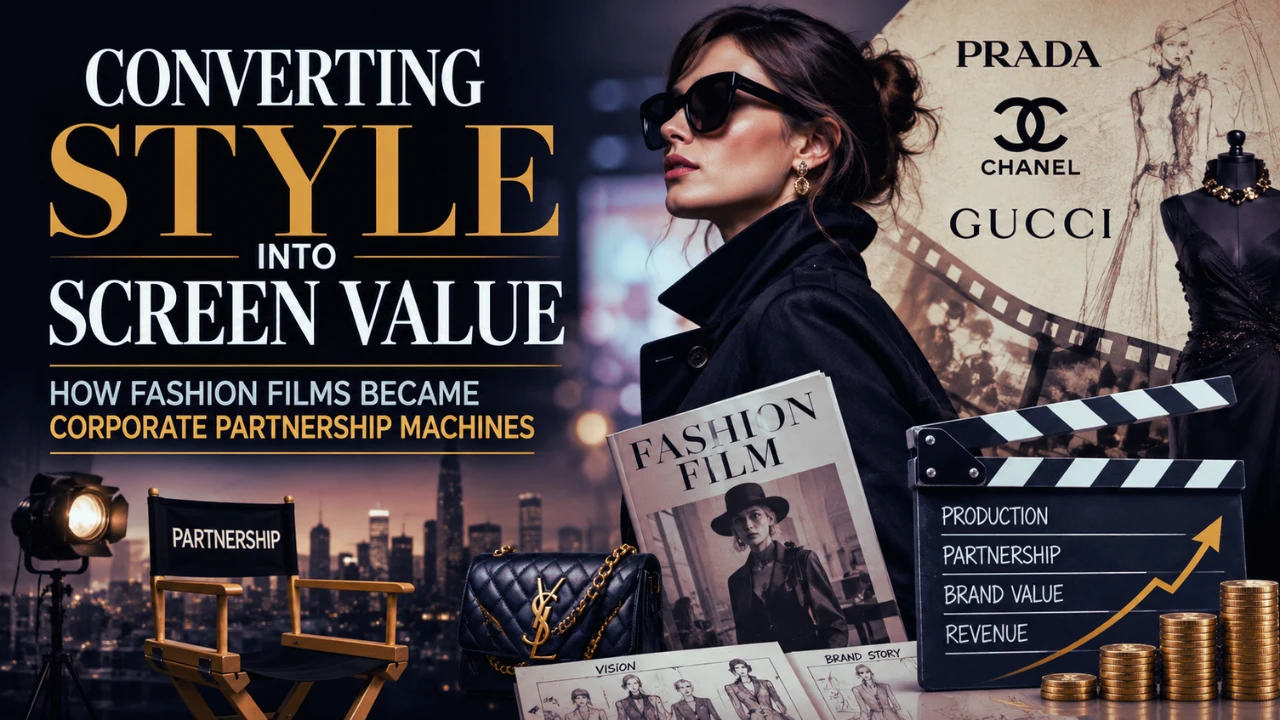
Converting Style Into Screen Value in Fashion Films
A designer dress on screen is rarely just a costume anymore. It can be a marketing asset, a licensing opportunity, and the beginning of a multimillion-pound brand conversation.
The rise of fashion-focused films and television projects has changed how Hollywood and the luxury industry work together. From The Devil Wears Prada to House of Gucci and high-profile collaborations involving luxury houses and streaming platforms, converting style into screen value has become a serious business strategy.
For audiences, these projects deliver glamour and escapism. For studios, brands, and celebrities, they create new revenue streams through partnerships, licensing deals, merchandise, publicity, and long-term brand positioning. The result is an entertainment economy where fashion is no longer sitting beside the story. It has become part of the business model itself.
Why This Celebrity Wealth Trend Matters Now?
Fashion has always influenced popular culture, but several trends have accelerated its financial importance.
Streaming platforms need distinctive content. Luxury brands are competing for cultural relevance. Celebrities increasingly operate as entrepreneurs rather than performers. Together, these forces have created an environment where fashion-centric entertainment can generate value far beyond ticket sales or viewing hours.
Films like House of Gucci demonstrated that audiences are interested in the business drama behind luxury empires. Meanwhile, projects such as The Devil Wears Prada continue to enjoy cultural longevity years after release, keeping associated brands, actors, and intellectual property relevant.
Social media has amplified the effect. A costume worn on screen can spark millions of impressions across Instagram, TikTok, and Pinterest within hours. While followers do not automatically translate into sales, visibility increases the value of future endorsement deals and licensing opportunities.
For celebrities, participation in fashion-driven projects can strengthen personal brands. For luxury companies, these productions offer access to audiences that traditional advertising sometimes struggles to reach.
The Business Model Behind the Money
Fashion films operate through multiple layers of revenue generation.
Studios earn through theatrical releases, streaming rights, international distribution, and home entertainment. Luxury brands gain visibility and cultural positioning. Production companies benefit from sponsorships, while celebrities can expand their influence within fashion and business circles.
Some partnerships are promotional. Others involve carefully negotiated agreements regarding product placement, costume support, marketing campaigns, and intellectual property usage.
Salary Versus Ownership
Actors are typically paid an upfront fee for appearing in a project. That payment, however, may represent only one piece of the financial picture.
Ownership creates longer-term opportunities.
A producer attached to a fashion documentary, for example, may receive a share of profits if the project performs well. A celebrity who co-produces content can benefit from distribution agreements and future licensing arrangements.
This distinction matters because celebrity wealth increasingly depends on ownership deals rather than salaries alone.
| Wealth Driver | How It Works | Why It Matters |
|---|---|---|
| Salary | Upfront payment for work | Generates immediate income |
| Royalties | Ongoing payments from licensed content | Supports long-term earnings |
| Equity | Ownership in businesses or productions | Can appreciate over time |
| Licensing | Paid use of intellectual property | Creates scalable income |
| Residuals | Payments tied to reuse or syndication | Extends earning potential |
| Brand Deals | Sponsored partnerships and endorsements | Converts attention into revenue |
Brand Equity and Audience Trust
Fashion films are ultimately exercises in brand building.
A celebrity associated with sophisticated, style-driven projects often benefits from increased perceived value. That can influence future endorsement deals, speaking opportunities, publishing agreements, and business ventures.
Brand equity remains difficult to measure precisely. It is not listed on a payslip, yet it can shape earning potential for years.
Industry observers frequently note that actors involved in culturally significant projects often experience increased commercial opportunities. The relationship is rarely direct, but visibility and audience trust remain powerful financial assets.
Why Traditional Net Worth Estimates Often Miss the Full Picture?
Celebrity net worth figures remain popular online, but they often tell only part of the story.
Public estimates typically focus on salaries, publicly reported assets, and major business announcements. They rarely account for private investments, management fees, taxes, undisclosed licensing agreements, or confidential equity arrangements.
Fashion-related projects add further complexity.
A celebrity may receive compensation through multiple channels:
- Acting fees
- Producer credits
- Royalties
- Licensing arrangements
- Endorsement opportunities
- Future partnership agreements
- Investments made possible by increased visibility
A successful fashion film can also indirectly affect earning potential. Greater cultural relevance may lead to invitations from luxury brands, consulting opportunities, or seats on advisory boards.
That broader ecosystem explains why celebrity wealth is often more complicated than a single headline number.
That Shows How This Works
Several projects illustrate how fashion and entertainment continue to converge.
The Devil Wears Prada became more than a successful film. It cemented the cultural influence of fashion journalism and elevated conversations around luxury branding, workplace ambition, and personal style.
House of Gucci introduced mainstream audiences to the corporate history behind one of fashion’s most recognizable names. While the film itself operated independently from the company, it demonstrated the commercial appeal of luxury business stories.
Documentaries such as The Supermodels have highlighted how modeling intersects with entrepreneurship. Many supermodels have built businesses across beauty, wellness, licensing, and investments.
Luxury brands are also becoming more comfortable collaborating with entertainment companies. Partnerships involving fashion houses and major productions increasingly appear during premieres, award campaigns, and global marketing initiatives.
The commercial logic is straightforward. Storytelling creates emotional attachment. Emotional attachment drives consumer interest.
The Risks Behind Celebrity Business Ventures
Not every fashion partnership succeeds.
Some projects struggle because audiences perceive them as extended advertisements rather than compelling stories. Others suffer from weak timing or limited market interest.
Common risks include:
- Overreliance on celebrity appeal
- Poor product-market fit
- Brand controversies
- Audience fatigue
- Licensing disputes
- High production costs
- Shifting consumer preferences
Fashion itself moves quickly. A trend that feels culturally relevant during development may feel outdated by the time it releases
Celebrity reputation also remains a significant variable. Public controversies can affect partnerships, endorsements, and licensing opportunities. Companies increasingly evaluate reputational risk before committing to long-term agreements.
Even established brands are not immune. History shows that luxury companies periodically experience changing consumer tastes, leadership transitions, and broader economic pressures.
What This Reveals About Modern Celebrity Wealth?
The modern entertainment economy rewards leverage.
A celebrity who understands ownership, intellectual property, and brand positioning often creates more durable wealth than one who relies exclusively on salaries.
Fashion films illustrate this shift clearly.
They sit at the intersection of entertainment business, luxury marketing, celebrity entrepreneurship, and cultural influence. They generate value across multiple industries simultaneously.
Today’s celebrity wealth is increasingly shaped by what individuals own, license, produce, and influence. The ability to connect audiences with brands through compelling stories has become one of the most valuable skills in entertainment.
Converting style into screen value is not simply about beautiful costumes or glamorous premieres. It reflects a larger transformation in how fame, business, and intellectual property interact in the twenty-first century.
Conclusion
Fashion-driven entertainment has evolved into a sophisticated partnership ecosystem where studios, brands, celebrities, and streaming platforms all benefit from shared visibility and commercial opportunities.
While salaries still matter, the larger story involves ownership deals, licensing arrangements, residual income, and long-term brand equity. As audiences continue embracing stories rooted in fashion and luxury culture, these partnerships are likely to remain a defining feature of modern entertainment economics.
The next major fashion film may not just shape trends. It could influence business strategies across Hollywood and beyond.
FAQs
What does converting style into screen value mean?
It refers to transforming fashion and visual style into commercial opportunities through films, streaming projects, licensing, partnerships, and brand collaborations.
How do celebrities make money from fashion films?
Celebrities may earn through salaries, producer credits, endorsement deals, royalties, licensing agreements, and future business opportunities created by increased visibility.
Why are fashion films important to luxury brands?
Fashion films help luxury brands reach broader audiences, strengthen cultural relevance, and create emotional connections that traditional advertising may not achieve.
Do celebrities earn more from ownership than endorsements?
In some cases, yes. Ownership stakes and equity deals can create long-term wealth, while endorsements generally provide shorter-term income.
Why are celebrity net worth estimates often incomplete?
Public estimates often exclude private investments, taxes, confidential agreements, licensing income, and other assets that aren’t publicly disclosed.
Enjoyed this breakdown? Explore more stories about celebrity wealth, entertainment business strategies, and the hidden economics shaping modern fame.

Table of Contents