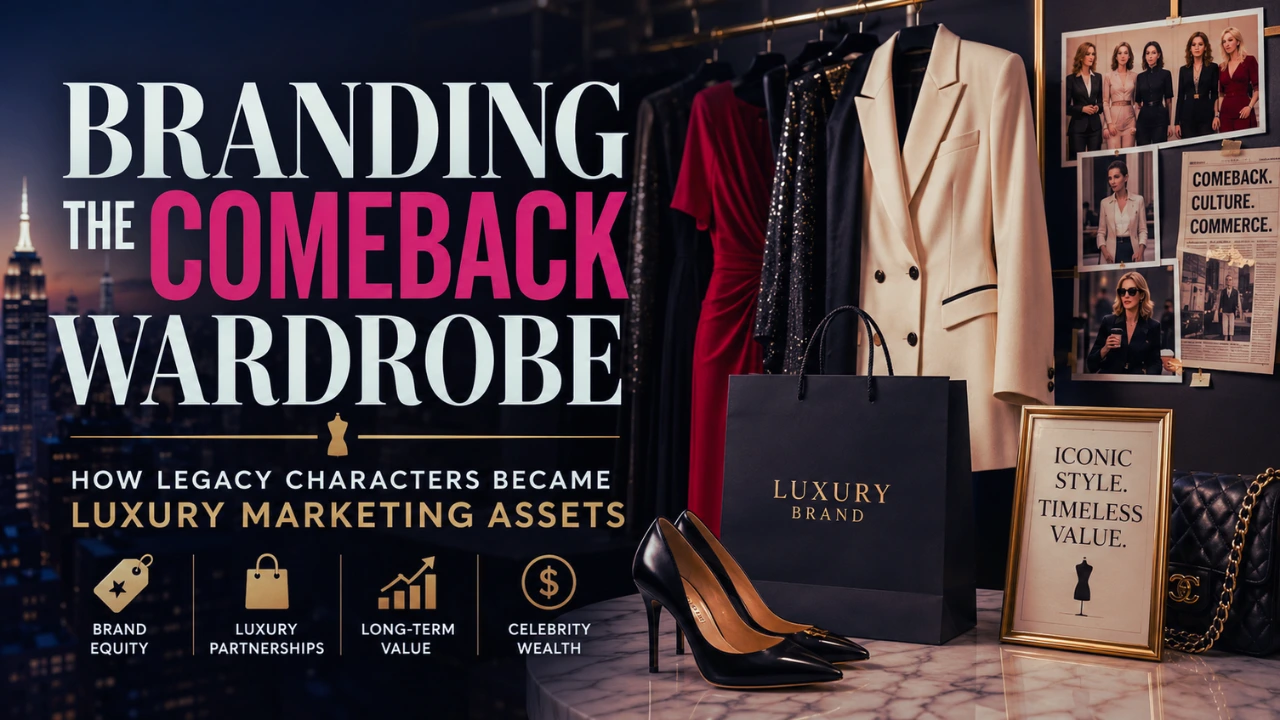
Branding the Comeback Wardrobe Explained
When audiences reunite with beloved characters decades after their debut, they’re not just revisiting a story. They’re stepping into a carefully managed ecosystem of fashion, nostalgia, and luxury branding.
The trend behind Branding the Comeback Wardrobe has become one of Hollywood’s most fascinating business plays. From designer collaborations surrounding sequel releases to luxury labels leveraging iconic characters for global campaigns, comeback wardrobes now serve as marketing assets that extend far beyond the screen.
For celebrities, studios, and fashion houses, the financial opportunity is substantial. A well-timed sequel can revive consumer demand, strengthen brand equity, and create entirely new revenue streams through licensing deals, endorsements, and strategic partnerships.
Why This Celebrity Wealth Trend Matters Now?
Hollywood has entered its nostalgia economy.
Studios increasingly rely on established intellectual property because familiar franchises carry lower marketing risk than original concepts. At the same time, luxury brands are competing for cultural relevance in an increasingly fragmented media landscape.
That overlap has created an interesting partnership model.
When audiences anticipate the return of iconic characters, fashion becomes part of the conversation. Media coverage often focuses on wardrobes almost as much as storylines. Social media amplifies every outfit reveal, while entertainment publications dedicate extensive coverage to costume choices and designer collaborations.
Recent examples surrounding high-profile sequels and franchise revivals show how luxury brands benefit from association with beloved characters. Industry observers have noted that films connected to fashion, prestige, and aspirational lifestyles tend to generate additional press opportunities beyond traditional entertainment coverage.
For celebrities, this extends their earning potential beyond salaries. Their public image becomes tied to a broader commercial ecosystem that includes licensing, endorsement deals, and future business ventures.
The Business Model Behind the Money
At first glance, a comeback wardrobe might appear to be a simple costume department decision.
In reality, it can involve studios, designers, marketing agencies, publicity teams, licensing departments, and talent representatives working toward aligned commercial goals.
Luxury brands gain visibility. Studios receive additional promotional momentum. Celebrities reinforce their personal brands. Everyone benefits from the attention generated by nostalgia.
Salary Versus Ownership
Actors are typically compensated for their performance through negotiated contracts. However, long-term wealth often comes from assets connected to their fame rather than the pay cheque itself.
A celebrity returning to an iconic role may later benefit through:
- Endorsement opportunities.
- Licensing arrangements.
- Production credits.
- Brand partnerships.
- Speaking engagements.
- Personal fashion ventures.
- Increased marketability for future projects.
This distinction matters because salary creates immediate income, while ownership and equity create long-term financial potential.
Many entertainment industry professionals have built wealth by leveraging iconic moments into businesses. A memorable fashion association can become part of an actor’s commercial identity for decades.
Brand Equity and Audience Trust
Brand equity is difficult to quantify, but it remains one of the most valuable assets in entertainment.
Consumers develop emotional relationships with characters. Luxury brands understand this exceptionally well.
When a legacy character returns wearing premium labels, audiences often associate those products with confidence, status, and familiarity. That emotional connection can influence purchasing decisions, even if consumers never consciously recognize it.
The creator economy has accelerated this effect. Clips circulate across platforms within minutes, creating free publicity worth millions in earned media value.
Brand equity also creates leverage. Celebrities with enduring cultural relevance are better positioned to negotiate ownership deals, private investments, and future partnerships.
Why Traditional Net Worth Estimates Often Miss the Full Picture?
Celebrity net worth figures remain popular online, but they rarely tell the complete story.
Public estimates generally rely on reported salaries, publicly disclosed transactions, and visible assets. They often exclude:
- Private investments.
- Undisclosed licensing agreements.
- Future royalty streams.
- Real estate holdings.
- Equity stakes in private companies.
- Taxes and management expenses.
- Debt obligations.
- Revenue-sharing arrangements.
Consider an actor associated with a legendary fashion-forward role. Their annual earnings may fluctuate, but their cultural value can continue generating opportunities decades later.
That’s why celebrity wealth is increasingly difficult to measure accurately.
Residual income from streaming rights, royalties from merchandise, and strategic investments frequently remain private. Even sophisticated estimates cannot fully capture the financial impact of sustained relevance.
| Wealth Driver | How It Works | Why It Matters |
|---|---|---|
| Salary | Upfront payment for acting work | Creates immediate income |
| Royalties | Payments from ongoing usage | Supports long-term earnings |
| Licensing | Paid use of names or brands | Generates scalable revenue |
| Equity Deals | Ownership in businesses | Potential for significant growth |
| Residuals | Payments from reruns and streaming | Adds recurring income |
| Brand Partnerships | Collaborations with companies | Converts fame into commercial value |
| Production Credits | Participation behind the camera | Expands earning opportunities |
That Shows How This Works
Fashion-centric entertainment has repeatedly demonstrated the value of cultural nostalgia.
The continued popularity of The Devil Wears Prada franchise illustrates how audiences remain deeply invested in style-driven storytelling. Luxury publications, entertainment media, and fashion commentators regularly revisit the film’s wardrobe years after its release.
Similarly, franchises such as Sex and the City and its continuation And Just Like That… have generated extensive discussion around costume design and luxury labels. Public reporting from entertainment outlets has highlighted how fashion remains central to audience engagement.
Even outside fashion-focused properties, studios increasingly collaborate with brands to maximize promotional reach. Films tied to luxury aesthetics often benefit from expanded media attention that extends into lifestyle and business coverage.
These partnerships do not necessarily mean celebrities own the brands involved. However, the visibility created by these associations can strengthen their negotiating position for future endorsement deals and business ventures.
The Risks Behind Celebrity Business Ventures
Not every comeback turns into a commercial success.
Nostalgia has limits, and audiences can quickly reject projects that feel overly commercial or disconnected from the original appeal.
Common risks include:
- Audience fatigue.
- Weak storytelling.
- Overreliance on brand partnerships.
- Licensing complications.
- Poor product-market fit.
- Reputation damage.
- Misaligned marketing campaigns.
- Economic downturns affecting luxury spending.
Celebrity businesses face similar challenges.
A famous name can attract initial attention, but sustained success still depends on execution. Numerous celebrity-backed brands across beauty, fashion, hospitality, and consumer products have struggled despite significant publicity.
Public image also matters. Changes in audience perception can directly affect endorsement opportunities and brand relationships.
The entertainment business remains unpredictable, even for established stars.
What This Reveals About Modern Celebrity Wealth?
Celebrity wealth has evolved dramatically over the past two decades.
Today’s entertainment economy rewards ownership, intellectual property, and strategic positioning as much as traditional salaries.
Legacy characters now function as commercial assets that can generate value across multiple industries. A successful comeback can influence streaming performance, licensing revenue, fashion partnerships, and future investments simultaneously.
For celebrities, the lesson is clear: longevity often matters more than a single payday.
The most financially resilient public figures understand that fame is not merely an outcome. It is an asset that can be managed, licensed, and strategically expanded over time.
As Hollywood continues to embrace established franchises, comeback wardrobes will likely remain powerful tools in the intersection of entertainment, luxury branding, and modern wealth creation.
FAQs
1. What is Branding the Comeback Wardrobe?
It refers to using iconic character fashion and nostalgia as marketing assets that support luxury partnerships, media attention, and broader commercial opportunities.
2. How do celebrities make money beyond acting salaries?
Celebrities often earn through royalties, licensing deals, endorsements, equity partnerships, production credits, and private investments.
3. Why are celebrity net worth estimates often inaccurate?
Most estimates rely on publicly available information and cannot fully account for private investments, taxes, undisclosed deals, or future earnings.
4. Do luxury brands pay to be associated with movies and television shows?
In some cases, brands enter promotional partnerships or provide products. Deal structures vary and are not always publicly disclosed.
5. Why are legacy characters valuable to brands?
Legacy characters carry audience trust and cultural recognition, making them attractive marketing assets for companies seeking visibility and emotional connection.
Conclusion
The business of entertainment has become increasingly interconnected with fashion, branding, and intellectual property. What audiences see as a memorable outfit on screen may represent years of accumulated brand equity and carefully managed commercial relationships.
Legacy characters are no longer confined to scripts and sequels. They have become enduring assets capable of shaping celebrity wealth, influencing consumer behavior, and driving opportunities across industries. As studios continue to invest in familiar stories, the comeback wardrobe may prove to be one of Hollywood’s most profitable accessories.
Enjoy exploring the business side of fame? Browse more celebrity wealth stories, entertainment economics breakdowns, and behind-the-scenes analyses of how Hollywood really makes money.

Table of Contents