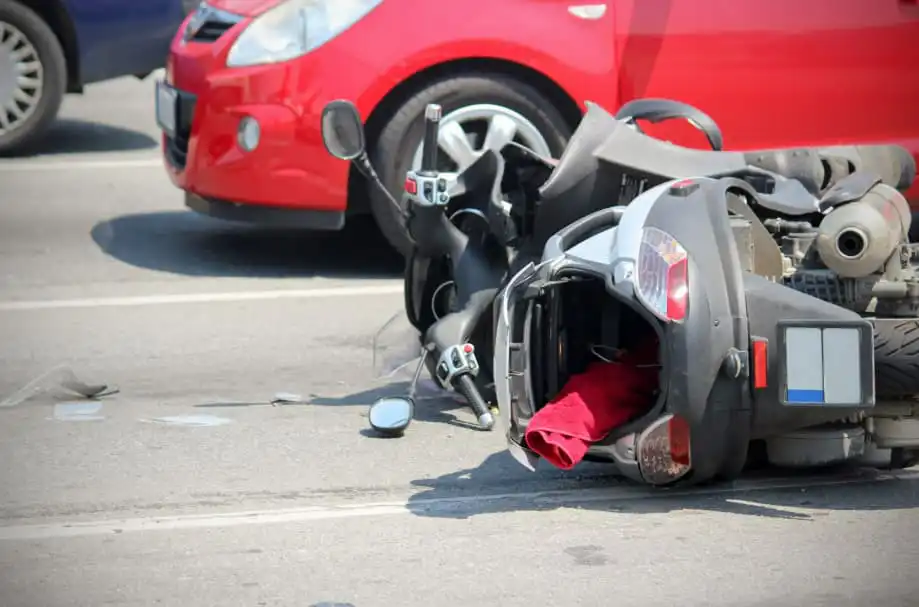
Motorcycle accident claims rarely fail because an accident did not happen. They fail because the story behind the accident is misunderstood, oversimplified, or quietly reshaped as it moves through the insurance system. In Santa Monica, California, this problem is amplified by dense traffic, mixed road use, and persistent assumptions about motorcyclists.
For injured riders, the gap between what actually happened on the road and how a claim is evaluated can be frustrating and costly. This is why many riders seek guidance from a motorcycle accident attorney in Santa Monica, not because the crash was unclear, but because the claim process often goes wrong long before anyone questions the facts.
The Problem Starts With Assumptions, Not Evidence
One of the most common failure points in motorcycle accident claims is bias. Motorcyclists are often viewed as inherently risky, aggressive, or careless, regardless of the actual circumstances of a crash. In a city like Santa Monica, where traffic congestion and sudden stops are routine, these assumptions can distort how fault is assessed.
Insurance adjusters may begin with the belief that a rider was speeding or weaving through traffic, even when evidence suggests otherwise. Once that narrative takes hold, it can shape the entire claim—from liability decisions to settlement offers.
Urban Traffic Masks the Real Cause of Crashes
Santa Monica’s streets are shared by cars, buses, cyclists, pedestrians, delivery vehicles, and rideshare traffic. Sudden lane changes, blocked sightlines, and unpredictable stops are common. For motorcyclists, these conditions increase risk while also making crashes harder to analyze after the fact.
When claims rely on generalized descriptions of “urban traffic,” critical details are often lost. A driver’s failure to check mirrors, a blocked view caused by parked vehicles, or a momentary obstruction can be overlooked. Claims go wrong when local traffic realities are ignored in favor of simplified explanations.
Evidence Disappears Quickly on Busy Streets
Another major issue is evidence loss. Motorcycle crashes often leave less visible damage than car accidents, and in a busy California city, scenes change quickly. Vehicles are moved, traffic resumes, and witnesses leave within minutes.
Without early documentation—photos, videos, witness statements—claims may rely heavily on police reports or insurer interpretations. When physical evidence is limited, insurers may downplay the severity of the crash or question how it occurred, even when injuries are serious.
Medical Gaps Create Unnecessary Doubt
Motorcycle injuries are often severe, but they do not always appear dramatic immediately. Adrenaline can mask pain, and some injuries worsen over time. When riders delay treatment or downplay symptoms, insurers may later argue that injuries were minor or unrelated.
In Santa Monica, California, insurers frequently point to congestion or lower speeds to question injury severity. Claims falter when medical records do not clearly connect injuries to the crash or document progression over time. Consistency and timing in medical care are critical, yet often underestimated.
Insurance Models Don’t Fit Motorcycle Claims
Insurance systems are largely built around car accidents. Motorcycle crashes don’t fit neatly into these models. Injury patterns differ, damage assessment is less straightforward, and long-term impacts are more common.
As a result, insurers may undervalue claims or push for early resolution before the full scope of injuries is understood. This is where a motorcycle accident attorney in Santa Monica often steps in to ensure that claims are evaluated based on reality, not outdated assumptions or car-centric formulas.
The Role of Visibility and Road Design
Visibility plays a quiet but powerful role in motorcycle accident claims. Santa Monica’s road design—narrow lanes, angled parking, bike lanes, and frequent intersections—can reduce reaction time for both drivers and riders.
When visibility issues are not documented, insurers may place blame on the motorcyclist for “appearing suddenly” or being “hard to see.” Claims go wrong when the physical environment that contributed to the crash is left out of the narrative.
Timing Errors That Undermine Claims
Timing mistakes are another common problem. Waiting too long to document injuries, gather evidence, or clarify facts allows insurers to fill in gaps with their own interpretations. In a high-activity city like Santa Monica, delays can significantly weaken a claim.
Clear timelines that link the crash, treatment, and recovery help prevent confusion. Without them, even valid claims may face unnecessary resistance.
Conclusion: Fixing What Goes Wrong
Motorcycle accident claims in Santa Monica, California, don’t fail because riders are careless. They fail because assumptions replace evidence, urban complexity is ignored, and critical details are lost early.
Understanding where claims go wrong is the first step toward avoiding those outcomes. When motorcycle accidents are evaluated with attention to local conditions, rider realities, and long-term impact, claims are more likely to reflect what truly happened on Santa Monica’s streets—not just what fits an insurance checklist.
Table of Contents