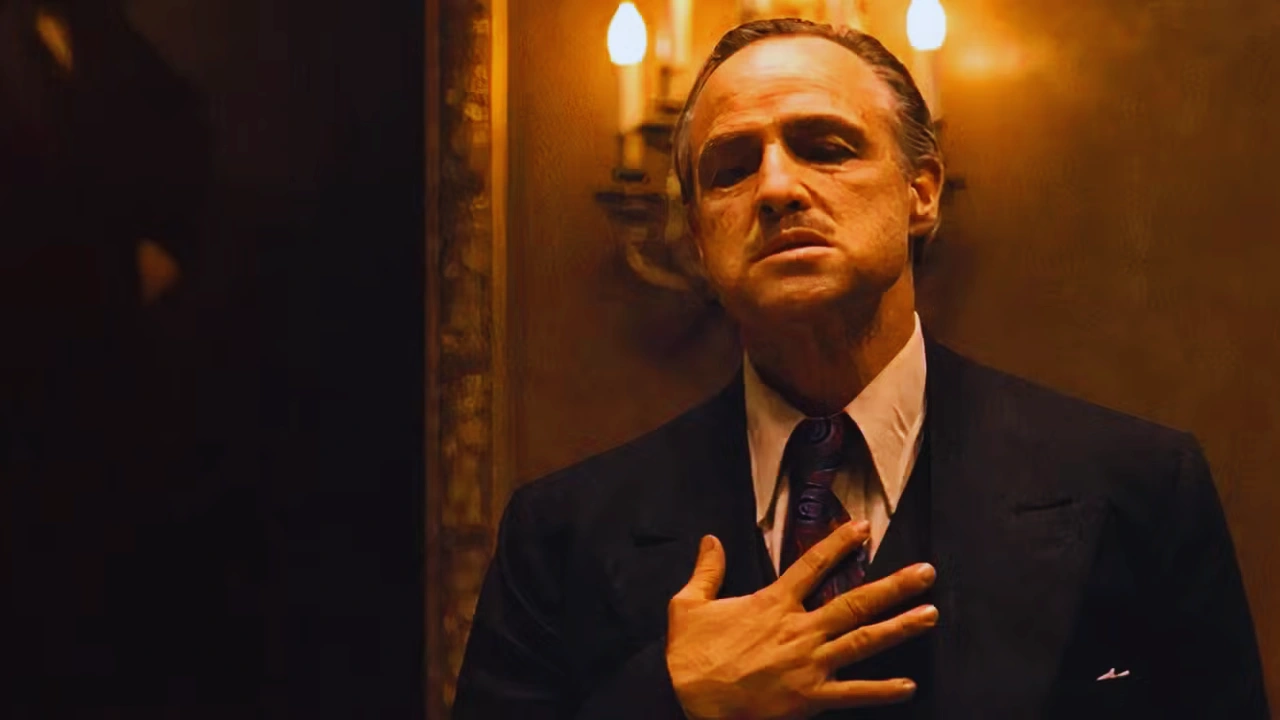
Marlon Brando is regarded as one of the most influential figures in the history of cinema, transforming acting through his raw intensity and emotional depth, which captivated audiences worldwide. Born in 1924, he emerged from a tumultuous childhood to achieve recognition as a two-time Academy Award recipient, portraying legendary characters. One of them is Stanley Kowalski in A Streetcar Named Desire and Vito Corleone in The Godfather, roles that revolutionized screen presence and method acting.
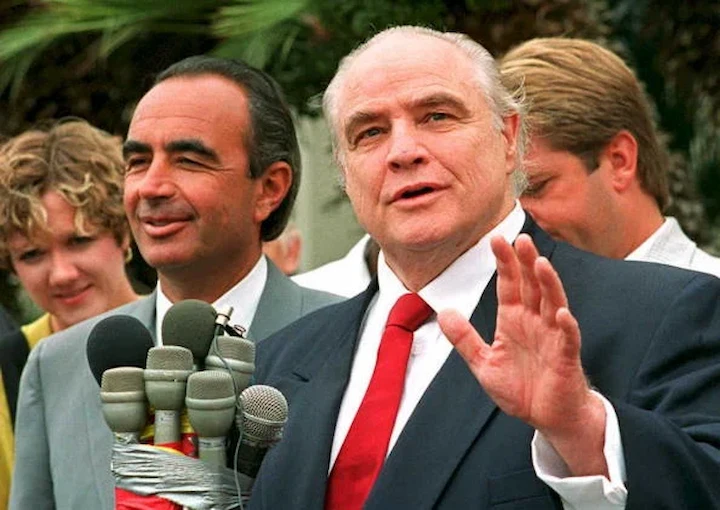
His intense charisma not only garnered critical praise but also initiated cultural transformations, inspiring successive generations of performers to embrace his visceral approach rather than refined theatrics. Brando’s life was characterized by both achievement and adversity, encompassing a combative nature, activism, and a legacy that persists through his films and estate.
Who is Marlon Brando?
Marlon Brando, born Marlon Brando Jr. on April 3, 1924, in Omaha, Nebraska, established himself as a trailblazing actor whose groundbreaking method of character immersion garnered him recognition as one of the most exceptional performers in history.
He established his dominance in Hollywood during the mid-20th century through pioneering roles that highlighted his mumbling diction, physical expressiveness, and psychological authenticity, distinguishing him from the more conventional actors of the period. Brando’s impact extended beyond his acting career; he emerged as an emblem of defiance, declining an Oscar in 1973 to protest injustices faced by Native Americans and to advocate for civil rights.
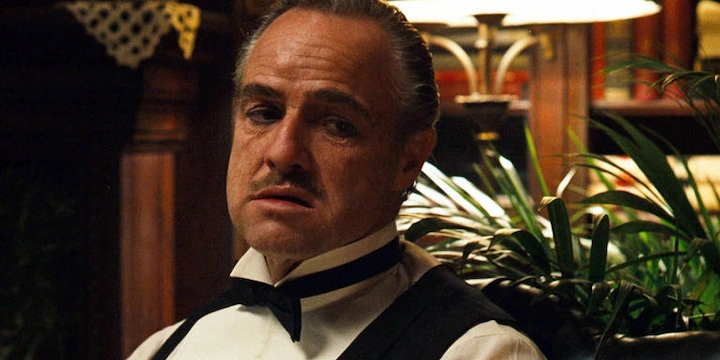
Often regarded as the pioneer of contemporary method acting, Brando studied under Stella Adler and Lee Strasberg, transforming personal anguish into compelling performances that vividly depicted complex antiheroes.
His career encompassed more than 50 films, ranging from acclaimed Broadway stage productions to major box-office hits. However, his later years were marked by controversy stemming from health issues and familial hardships. Despite his personal struggles, Brando’s commanding on-screen presence left an enduring impression, comparable only to that of luminaries such as Laurence Olivier.
Marlon Brando’s Early Life and Educational Background
Marlon Brando was raised in a troubled household in Omaha, Nebraska, where his alcoholic mother, Dorothy, operated a local theater, and his traveling merchant father, Marlon Sr., offered minimal stability. The family moved to Illinois; however, tensions continued.
Brando demonstrated an early rebellious streak, excelling in drama and athletics at Libertyville High School while facing academic challenges that led to retention and, in 1941, expulsion for misconduct, including riding his motorcycle through corridors. His parents temporarily reconciled by purchasing a farmhouse, yet Brando’s rebellious nature characterized his adolescence amidst emotional neglect.
Sent to Shattuck Military Academy in Minnesota, Brando excelled in theater productions but encountered conflicts with authority, resulting in probation for insubordination during exercises and unauthorized absences from campus, leading to his departure in 1943.
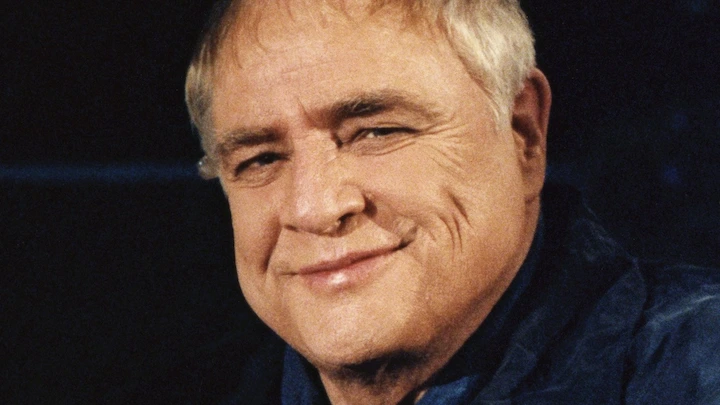
Unable to enlist due to an unsuccessful physical examination, he accompanied his sisters to New York, where he briefly worked as a ditch digger before dedicating himself to a serious pursuit of acting. This itinerant early life shaped his outsider persona, inspiring performances rooted in genuine turmoil.
In New York, Brando pursued his studies at the American Theatre Wing and the New School’s Dramatic Workshop, and, importantly, under Stella Adler, who introduced Stanislavski’s acting methodology, emphasizing emotional authenticity.
He also received training at Lee Strasberg’s Actors Studio, which refined his skills and facilitated his Broadway début. Although he lacked formal higher education, these intensive workshops equipped him with the skills necessary to excel in both stage and screen, transforming personal defiance into professional expertise.
Marlon Brando’s Personal Life and Romantic Relationships
Marlon Brando was married three times and fathered at least eleven children, leading a complex personal life marked by prominent affairs and familial hardships. His initial marriage to actress Anna Kashfi in 1957 resulted in the birth of son Christian, but infidelity—particularly with Rita Moreno—led to a swift divorce in 1959 amidst custody disputes. He married Movita Castaneda in 1960, fathering Miko and Rebecca, although he initially minimized the significance of the union; the marriage ended in 1972.
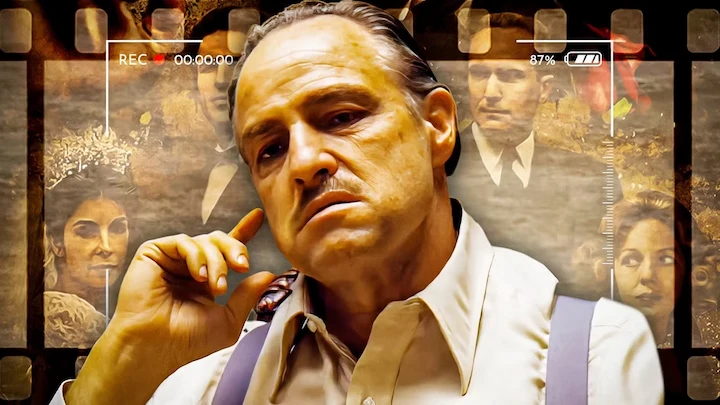
Subsequently, Brando formed a partnership with Tarita Teriipaia from Mutiny on the Bounty, marrying her in 1962 and having children named Teihotu and Cheyenne. However, they later moved to Tahiti in search of refuge, which further strained their relationship.
Tragedies unfolded: son Christian was incarcerated for the slaying of his half-sister’s boyfriend in 1990, underscoring profound familial divisions. Brando formally adopted Petra Brando-Corval and fathered three additional children with domestic Maria Cristina Ruiz, emphasizing privacy over societal norms.
| Attribute | Details |
|---|---|
| Full Name | Marlon Brando Jr. |
| Birth Date | April 3, 1924 |
| Birthplace | Omaha, Nebraska, U.S. |
| Nationality | American |
| Profession | Actor, Director, Activist |
| Years Active | 1944–2001 |
| Died | July 1, 2004 (aged 80) |
| Cause of Death | Respiratory failure due to pulmonary fibrosis, heart failure, and diabetes |
| Known For | The Godfather, A Streetcar Named Desire, On the Waterfront, Apocalypse Now |
Marlon Brando’s Physical Characteristics
Marlon Brando exhibited a compelling physical presence despite standing at 5 feet 9 inches (175 cm), with his weight varying from 165 to 200 pounds (75-91 kg) over the course of his career, thereby augmenting his relatable allure and projecting a commanding presence.
His square jaw, piercing hazel eyes, thick dark hair, and muscular physique—developed through boxing and innate athletic ability—conveyed a sense of primal strength, rendering characters such as Stanley Kowalski vividly authentic. Subsequently, his increased weight accentuated contemplative roles such as Vito Corleone, in which his sagging features and measured gestures conveyed authority, demonstrating that commanding presence can surpass mere flawlessness.
Marlon Brando’s Esteemed Professional Career
Notable Achievements on Broadway
Marlon Brando made a significant impact on Broadway in 1944 with I Remember Mama, but his performance as Stanley Kowalski in A Streetcar Named Desire in 1947 truly established his reputation. His primal energy garnered widespread acclaim and propelled method acting into mainstream awareness. Trucksline Cafe and Candida subsequently followed, yet Streetcar’s 18-month tenure established his prominence, prompting Hollywood recruiters to seek him out. He transitioned effortlessly, making his film début in The Men (1950) as a paraplegic veteran.
Hollywood’s Golden Age
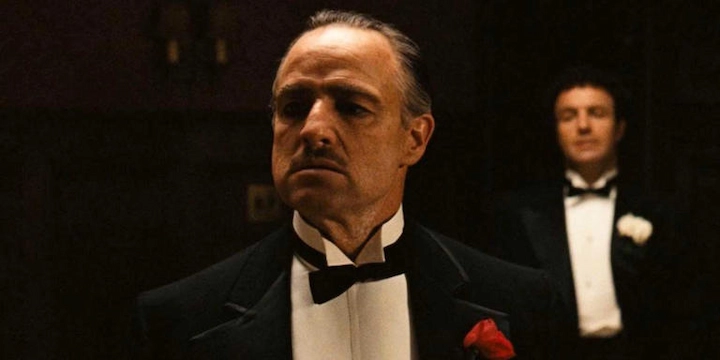
Brando reprised his role as Kowalski in the 1951 film A Streetcar Named Desire, garnering an Academy Award nomination, and subsequently achieved prominence with The Wild One (1953) as the rebellious biker Johnny, as well as Viva Zapata! (1952), Julius Caesar (1953), and his first Oscar for On the Waterfront (1954) in the role of the troubled boxer Terry Malloy. Guys and Dolls (1955), Sayonara (1957), and The Young Lions (1958) established his strong box-office appeal, combining charm with social significance. He directed and starred in One-Eyed Jacks (1961), demonstrating his versatility during a period of increasing disillusionment.
Subsequent Roles and Enduring Legacy
The resurgence of the 1970s reached its zenith with a second Academy Award for The Godfather (1972), in which Don Vito—refusing to accept the honor in protest—and Apocalypse Now (1979), in which Colonel Kurtz was portrayed, although the actor became weary, relied on cue cards, and gained weight. Superman (1978), Last Tango in Paris (1972), and sporadic 1990s cameos such as The Score (2001) signified a decline; nevertheless, his influence persists. More than 50 films, two Academy Awards, and Golden Globe Awards attest to his transformative influence.
Marlon Brando’s Financial Valuation
Marlon Brando’s estate was valued at $21.6 million at the time of his death in 2004, comprising $18.6 million in real estate—including his residence in Los Angeles and Tetiaroa Atoll—and $3 million in cash and personal effects. Accounting for lifetime earnings, royalties, and licensing, the current valuation is approximately $100 million. Substantial compensation for the Godfather role ($250,000 plus profits) and continuous film residuals uphold the enduring legacy.
| Type | Value |
|---|---|
| Net Worth at Death (2004) | $21.6 million |
| Adjusted Value (2024) | ≈ $100 million |
| Major Assets | Los Angeles home, Tetiaroa Island (Tahiti), royalties |
| Primary Income Sources | Films, endorsements, property holdings |
Marlon Brando’s Presence on Social Media
Although Marlon Brando predates social media and died in 2004, his estate maintains an official Instagram account (@marlonbrando) with 219,000 followers, featuring rare photographs and clips, while the Marlon Brando Estate Facebook page has garnered 483,000 likes for legacy content. Fan pages such as @ourmarlonbrando (9.9K followers) and @marlonbrandofans compile tributes, preserving his rebellious image in the digital sphere.
| Platform | Handle/Page Name | Followers (as of 2025) | Description |
|---|---|---|---|
| @marlonbrando | 219K | Official archive-run page with rare images | |
| Marlon Brando Estate | 483K | Official estate updates and tributes | |
| Instagram (Fan Page) | @ourmarlonbrando | 9.9K | Tribute page sharing fan edits |
| Instagram (Fan Archive) | @marlonbrandofans | 15K | Daily posts of film stills and interviews |
Marlon Brando Interesting Facts
- Brando refused his 1973 Best Actor Oscar for The Godfather, sending Sacheen Littlefeather to protest Hollywood’s portrayal of Native Americans.
- He rode a motorcycle through his high school halls, leading to expulsion.
- Brando used cue cards for lines, even writing them on a baby’s diaper in Superman (1978).
- His failed Army physical due to poor eyesight kept him from WWII service.
- Owned Tetiaroa atoll in French Polynesia, turning it into an eco-resort.
- Spoke 10 languages, including French and Tahitian.
- Turned down roles like Dirty Harry and Star Wars’ Obi-Wan Kenobi.
- His mother launched Henry Fonda’s career at her theater.
- Suffered from diabetes, heart failure, and pulmonary fibrosis at death.
- Appeared in Roots: The Next Generations (1979), earning an Emmy nod.
Marlon Brando’s Additional Noteworthy Interests and Hobbies
Beyond his acting career, Marlon Brando engaged in a variety of pursuits, notably animal care—maintaining canines, birds, and even pet raccoons—demonstrating his compassionate nature and affection for the natural world. He immersed himself in literature, played guitar across various genres for leisure, and prepared intricate meals for friends, experimenting with recipes that fostered connections. Political activism also occupied his attention, as he championed civil rights, Native causes, and anti-war initiatives, while boxing and Tahitian excursions nurtured his free-spirited nature.
Concluding Remarks
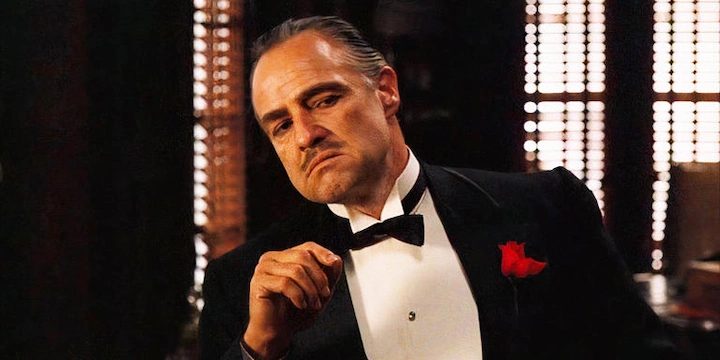
Marlon Brando’s progression from a defiant youth to a legendary actor transformed the landscape of cinema, illustrating that genuine authenticity surpasses superficiality. His imperfections—family discord and subsequent apathy—humanize the icon, reminding us that even visionaries bear burdens.
Generations revisit his body of work, from the fiery intensity of Streetcar to the gravitas of The Godfather, ensuring Brando’s whispered influence resonates eternally and inspires actors to explore their depths.
Table of Contents