
Guy Fisher Net Worth 2025: From Harlem Drug Lord to Doctor of Sociology
Guy Fisher rose from the tough streets of the South Bronx to become a key figure in Harlem’s underworld during the 1970s, leading a double life as a drug kingpin and community benefactor.
Born in 1947, he joined Leroy “Nicky” Barnes’ notorious Council. This heroin syndicate dominated New York City’s illegal drug trade, amassing millions while sponsoring local events and even owning the iconic Apollo Theater.

His story is one of ambition, betrayal, and redemption, marked by a life sentence in 1984, followed by extraordinary personal growth behind bars, culminating in a Ph.D. and release in 2020.
Who is Guy Fisher?
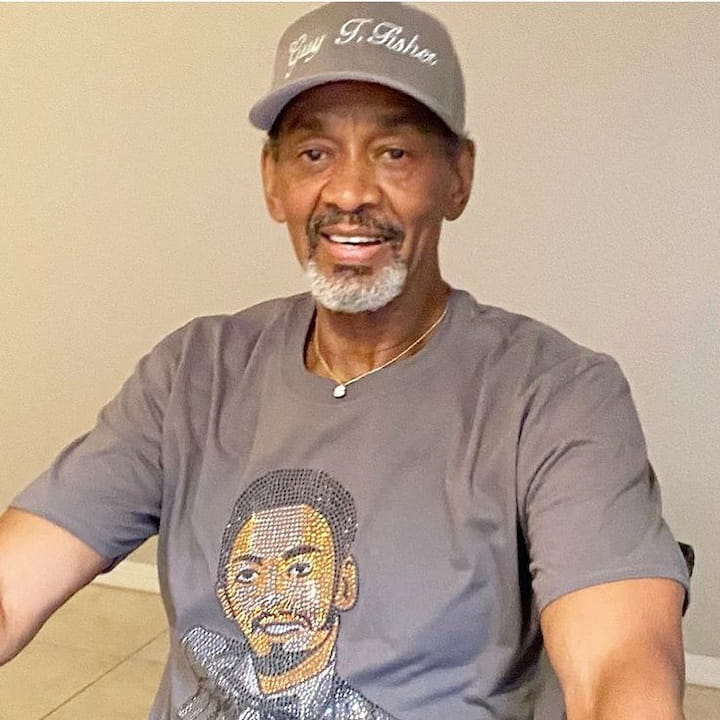
Guy Fisher stands out as a former Harlem drug lord turned educator and author, best known for his role in The Council, the powerful 1970s heroin organization led by Nicky Barnes. As one of seven core members, Fisher helped control much of Harlem’s narcotics distribution, earning the nickname “Radio” for his talkative nature on Bronx basketball courts and building a reputation for generosity with turkey giveaways and youth tournaments. His flashy lifestyle included luxury cars and high-profile investments, blending crime with community influence.
Federal authorities convicted Fisher in 1984 of racketeering and running a continuing criminal enterprise after Barnes testified against him, leading to a life sentence without parole. During over 35 years in prison, Fisher transformed dramatically, earning a bachelor’s, master’s, and Ph.D. in sociology while mentoring inmates and writing books.
Granted compassionate release in October 2020 due to his age, health risks from COVID-19, and rehabilitation efforts, he now shares lessons on redemption through interviews and projects like a potential film with Debbie Allen.
Guy Fisher’s Early Life and Education Qualifications
Guy Fisher was born on July 21, 1947, in the Patterson Houses public housing project in the South Bronx, the oldest of five children in a struggling family. His mother worked tirelessly as a pediatric nurse to support them, but his father’s alcoholism and gambling drained resources, often leading to physical abuse against her and the kids. Fisher stepped up early to protect his three sisters and younger brother, Wally, amid the chaos, which shaped his street-tough resilience.
Trouble found Fisher young; as a teenager, police arrested him for assault, landing him in the Elmira Reformatory for juveniles for about two years. He dropped out of high school around ninth grade, opting instead for small-time hustling—selling shopping bags and clothes from his car trunk to make ends meet. These early brushes with the law and poverty pushed him toward greater risks, setting the stage for his entry into organized crime.
Prison later became Fisher’s actual classroom. Starting his life sentence in 1984, he pursued education relentlessly, earning his high school equivalency, then a bachelor’s degree, a master’s, and finally a Ph.D. in sociology by 2008. This academic journey highlighted his shift from street life to scholarship, emphasizing learning as an escape from the cycle of crime.
Guy Fisher Personal Life and Relationships
Family ties defined Guy Fisher’s early years, with him acting as protector for his siblings in the Bronx projects against their abusive, alcoholic father, who later abandoned them. His bond with his mother remained strong; her nursing job kept the family afloat despite hardships. Post-release, Fisher connects to public figures like rapper G. Fisher, reportedly his son, and NBA player Corey Fisher, his nephew, who view his life as both a warning and an inspiration.

Relationships grew complicated in his criminal days. Fisher dated Barnes’ girlfriend after the kingpin’s arrest, prompting Barnes’ informant to turn against him. Details on a wife or long-term partner stay scarce, though accounts mention glamorous companions at events, like a woman in a fur coat at his Apollo party. In prison, Fisher focused inward, mentoring inmates as a surrogate family, fostering bonds through guidance on education and reform.
Guy Fisher’s Physical Appearance
Guy Fisher cut a sharp, clean-cut figure in his prime, often described as young, slim, and stylish—think cashmere sweaters, shiny loafers, and Pro-Keds sneakers that made him look like a college basketball star or Howard University valedictorian.
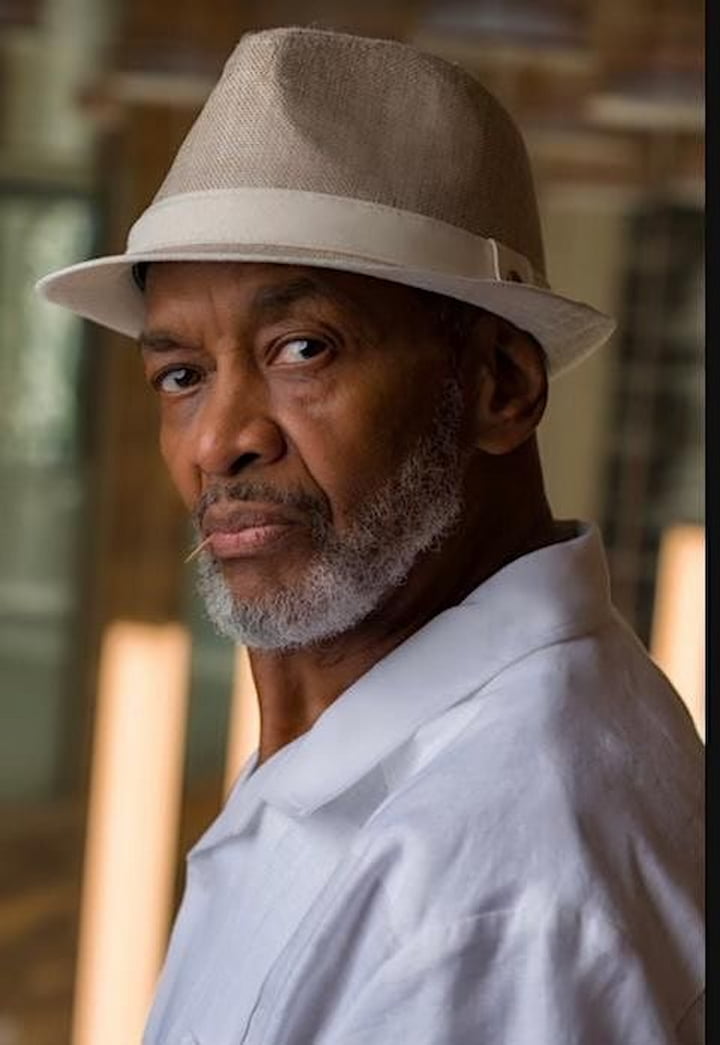
Nicknamed “Radio” for his chatty vibe on the court, he projected charisma in tailored pin-striped suits, designer shoes, and flashy jewelry, including a $25,000 pendant, at high-profile parties. At 73 upon release in 2020, now in his late 70s, he carries the poised presence of a survivor, blending Harlem swagger with scholarly dignity earned through decades of transformation.
Guy Fisher’s Professional Career
Rise with The Council
Guy Fisher launched into major crime in the early 1970s under mentor Nicky Barnes, joining The Council in 1972—a seven-man heroin syndicate that pooled resources for bulk buys, strict rules, and massive profits mimicking mafia structure. As Barnes’ protégé, Fisher managed distribution crews, expanded operations, and flashed wealth with luxury rides while hosting community turkey drives and basketball events to build a Robin Hood persona in Harlem.
Apollo Theater Ownership
Fisher peaked in legitimacy by acquiring Harlem’s Apollo Theater around 1978, reopening it briefly under new management before its 1981 sale to Percy Sutton, becoming the first Black owner of the iconic venue. He hosted star-studded parties with Stevie Wonder and Teddy Pendergrass, mingling celebs amid catered feasts, though prosecutors later alleged money laundering. This move cemented his image as a cultural patron amid $80 million in annual Council revenues.
Downfall, Prison, and Redemption
A 1974 traffic stop uncovered $103,000 in his trunk, leading to a year in jail, but a 1977 federal trial ended in a hung jury for Fisher. Betrayal struck when Barnes cooperated post-1982, testifying in Fisher’s 1984 trial—conviction on racketeering brought life without parole. In prison, Fisher authored novels, mentored inmates, and earned advanced degrees. Released in 2020 to pursue writing and media projects.
Guy Fisher Net Worth
Guy Fisher’s net worth is about $10,000 today, a stark drop from his 1970s peak, when Council profits topped $80 million annually, funding Apollo ownership and luxuries. Prosecutors seized assets post-conviction, leaving little after nearly 40 years in prison. Now free, he focuses on books and counseling youth rather than rebuilding wealth.
| Category | Information |
|---|---|
| Physical Appearance | Slim, stylish in prime: cashmere, loafers, jewelry; clean-cut charisma; late 70s, now poised. |
| Personal Life | Protector of siblings; strong mother bond; possible son, rapper G. Fisher; nephew, NBA Corey; prison mentoring. |
| Relationships | Dated Barnes’ ex (betrayal trigger); glamorous event companions; scarce wife details. |
| Net Worth (2024 est.) | ~$10,000; seized assets post-conviction; from $80M peak . |
Guy Fisher Social Media Presence
Guy Fisher maintains a modest online presence on Instagram (@guyfisherofficial), where he posts as a writer-author and Apollo pioneer, sharing reflections on life with hundreds of followers as of late 2025. He uses the platform for motivation, tying into post-release interviews on redemption. No major TikTok or X activity noted, keeping presence low-key compared to hip-hop nods in songs by Cam’ron and Pusha T.
| Social Media | Details |
|---|---|
| @guyfisherofficial: reflections, Apollo history; hundreds of followers . | |
| Other | Low-key; hip-hop mentions (Cam’ron, Pusha T); interviews post-release. |
Guy Fisher Interesting Facts
- First African American to own and operate Harlem’s Apollo Theater in 1978.
- Nicknamed “Radio” for nonstop talk on Bronx basketball courts.
- Survived the 1977 federal trial with a hung jury while Barnes got life.
- Earned Ph.D. in sociology during a life sentence.
- Released October 2020 after 35+ years via compassionate release.
- Mentored inmates, emphasizing education over crime.
- Betrayed by mentor Barnes over a romantic rivalry.
- Hosted parties with Stevie Wonder and Teddy Pendergrass.
- Father of rapper G. Fisher, uncle to NBA’s Corey Fisher.
- Profiled in BET’s American Gangster and hip-hop lyrics.
Guy Fisher Other Interesting Hobbies
Beyond crime and scholarship, Guy Fisher embraced writing novels during imprisonment, channeling experiences into published works that explore Harlem life and redemption. Post-release, he pursues motivational speaking and youth counseling, drawing on his transformation to help steer others off the streets. Basketball roots linger—he sponsored tournaments young, and his talkative “Radio” persona hints at enduring love for courtside camaraderie and community sports.
Final Words
Guy Fisher’s arc—from Bronx hustler to Harlem kingpin, prisoner to Ph.D.—teaches that redemption waits for those who seize education and self-reflection amid chaos. His Council days warn of crime’s fleeting highs and betrayals, like Barnes’ turn, while Apollo’s patronage shows the power of community impact. Free since 2020, Fisher models resilience, urging youth to study hard and mentor others.
Actual change demands action: drop the outlook of quick riches, chase degrees, and build legacies by giving back. Fisher’s story inspires content creators eyeing gritty tales—explore his books or interviews for raw insights on street-to-success shifts.
Table of Contents