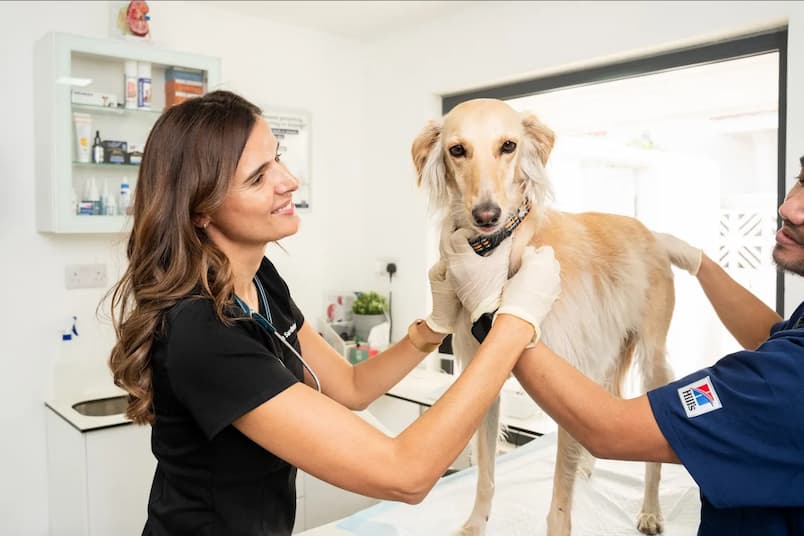
Why Pet Dental Disease Demands Professional Care
By the time a dog is three years old, 80 percent are showing signs of dental disease; likewise, 70 percent of cats demonstrate symptoms of dental disease by their third year. As such, dental disease is the most prevalent health concern in companion animals next to age related diseases.
Often, owners do not recognize the initial symptoms of dental disease and attribute chronic pain to “aging” rather than to dental disease. Brushing at home will not be able to correct or treat advanced pathological conditions. Routine dental care can prevent significant systemic problems that lead to premature death.
Common Dental Diseases in Pets
Periodontal Disease Progression
Plaque forms and develops into tartar within 24 to 48 hours, causing irritation to the gums and leading to gingivitis, red inflamed gums that bleed along the edges of each tooth base. The bacteria then invade the space below the gumline and begin to break down the bone and ligaments that support the tooth. The result of this process is an area known as a periodontal pocket which becomes infected and causes the tooth to loosen. Abscesses may develop as a direct result of these pockets.
Tooth Resorption and Fractures
Chewing on rocks or bones leads to the fracture of carnassial teeth, allowing bacteria to enter the pulp chamber and cause infection. Tooth resorption (approximately 25% of cats) is a disease process that occurs internally and dissolves the structural components of the tooth, resulting in what appears to be chronic, unrelenting pain without obvious clinical manifestations due to cat behavior (stoicism). Facial swelling caused by root abscesses forms under the eyes of cats and drains through fistulae (small openings) in the skin.
Early Signs Owners Overlook
Signs Of Dental Disease in Pets
A pet that is only chewing on one side of their mouth, or drops kibble, or prefers to eat soft foods is a sign of dental pain. The pet may be experiencing a fractured carnassial tooth, an abscessed tooth, or may have been suffering from dental pain for some time. A pet that is less likely to engage in play, or shows reluctance to participate in meal times, could be hiding symptoms of oral ulcers or stomatitis.
Subtle Physical Signs of Pet Oral Pain
Dental disease can cause discolored tartar buildup above swollen gums which indicates permanent periodontal damage has occurred. Chronic halitosis is indicative of an overgrowth of anaerobic bacteria. If loose teeth can be seen after lifting the pet’s upper lip it is clear that bone loss has occurred and 80 percent of all pets will have reached this point before being diagnosed.
Bad breath in dogs may indicate advanced periodontal disease and require immediate intervention.
Long Term Effects of Pet Oral Pain
Bacteria That Enter the Bloodstream Through Chewing
When pets chew, they are releasing bacteria into their bloodstream and these bacteria can lodge in heart valves (causing endocarditis) kidneys (causing glomerulonephritis) and liver (causing liver failure). Animals that have reached at least stage three of dental disease have twice the risk of developing organ failure.
Prolonged Pet Oral Pain Can Lead to Reduced Appetite
Animals that experience prolonged periods of dental pain lose their appetites and experience 10-20% weight loss over many months. The malnutrition caused by the loss of appetite leads to progressive muscle wasting and further compromise of the animal’s immune system. Cats can develop hepatic lipidosis due to starvation, while dogs develop generalized weakness and are mistakenly thought to be “old”.
Increased Risk of Anesthetic Complications
The amount of heavy tartar buildup increases the risk of the animals heart failing before the procedure. As the dental disease advances, so does the risk associated with anesthesia. This creates a vicious cycle where delaying treatment makes future treatments increasingly dangerous.
Why Home Brushing Falls Short
Mechanical Limitations
Brushing is only able to remove 40% of oral bacteria in interdental spaces, beneath the gums, and on the lingual aspects of canines and premolars, which are difficult to access with a toothbrush. Pet toothpaste has ingredients that cause irritation in pets’ stomachs; enzymatic gel products require a 20+ minute exposure time in order to be effective, which is impractical when brushing a pet’s teeth for only 30 seconds.
Resistance of Biofilms
Plaque becomes hardened by mineralization as soon as it is formed and is resistant to enzymatic degradation. Only using an ultrasonic scaler while under general anesthesia will remove subgingival (below the gumline) tartar that drives 90% of dental pathology. Preventing new formation through home care measures will not correct pre-existing problems.
Professional Dental Care Protocols
Pre-operative evaluation by means of blood work is used to determine a pet’s coagulation status, organ function, and presence of an infection. A chest radiograph is obtained to assess for metastasis from another primary site of cancer. Intravenous catheters are placed to allow for hydration and the rapid administration of medications throughout the surgical procedure.
Complete mouth radiology
Complete-mouth radiology provides digital dental x-ray images that can identify 40-60% of hidden pathology in dogs that may be located beneath or behind gumlines, such as abscesses, root resorption and fractured tooth tips. The treatment plan is designed to include targeted extractions and salvageable teeth to prevent chronic infection cycles.
Comprehensive Treatment
A comprehensive approach includes
- Ultrasonic debridement above and below the gumline
- Targeted extractions in 30% of all cases
- Antibiotic irrigation into periodontal pocket spaces
- Local nerve blocks for pain management
- Sealing agents are applied to the remaining teeth
Pet owners who seek specialized veterinary dental care are able to access and utilize the knowledge and experience of a Board Certified Veterinary Dentist that cannot be provided through a typical examination.
Post-Procedure Maintenance
Multimodal pain management (opioids, NSAIDS, gabapentin) for inflammation for 72 hours after surgery. E-collars to prevent self-mutilation of the face during a soft food diet recovery period. Re-evaluation in 2 weeks to verify no complications have occurred in the healing process.
Optimization of Home Care
Prescription dental diets decrease tartar by approximately 70% as compared to a standard kibble.
Water additives containing chlorhexidine to maintain bacterial control.
Weekly professional fluoride treatments will extend the life of your pet’s teeth by an average of 2-3 years after cleaning.
Timeline for Prevention
Kittens/ Puppies (3-6 months)
Evaluation of deciduous teeth to identify potential retained root structures.
Baseline occlusal assessment will serve as a guide for future assessments.
Establishment of a lifetime habit of good oral hygiene through early plaque control.
Adult Annual Evaluation
Stages 0 & 1 of the disease can be addressed through increased home care.
Stage 2 requires a dental prophylaxis within 6 months.
Stages 3 & above require an immediate response to stop the systemic progression of the disease.
Conclusion
Pet dental disease can slowly cause loss in the pet’s quality of life through chronic pain, malnutrition, and organ damage long before a tooth falls out. Home brush cleaning slows down the development of periodontal disease, which affects 80% of all pets by the time they reach mid-age.
The gold standard treatment for pet dental disease is professional dental cleaning, including full mouth radiographs, extractions, and antibiotics. Dog dentist services can create an outcome not possible for a general practice.
Comprehensive dental care for pets is not about creating a pretty smile, it is about extending a pet’s health span by preventing the bacterial sepsis cascade that kills countless pets prematurely.
Table of Contents