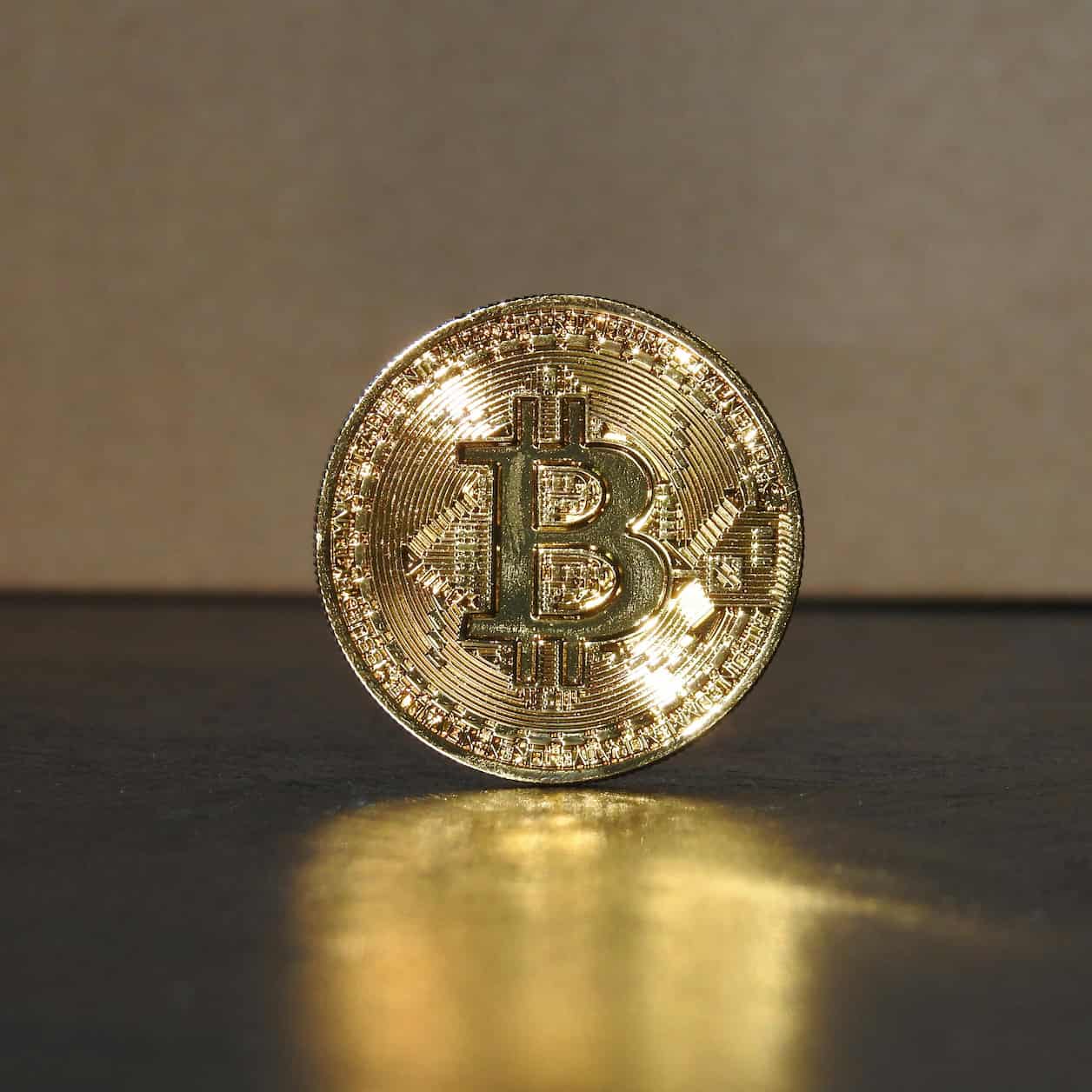
Crypto used to live in a separate mental drawer. People talked about it like a hobby, a dare, or a pub argument that ran past last orders. Now it shows up in the same spreadsheet as pensions, index funds, and cash savings. A growing group of everyday investors treat it as a small slice of a wider plan, then they rebalance and get on with their week.
Access plays a big role. Exchanges turned a fiddly tech project into something that feels like online banking, with clearer steps and fewer mysteries. Now you can easily see the top 10 cryptocurrency assets in a few taps. For those interested in how to buy Bitcoin, for example, Binance offers step-by-step instructions and a user-friendly interface to get started. Once that hurdle drops, curiosity turns into ownership, especially when friends, colleagues, and headlines keep mentioning the same asset class.
Adoption looks ordinary now
Surveys suggest that crypto ownership has moved into the mainstream, even if the numbers vary by country and method. Gemini’s 2025 Global State of Crypto report said ownership rose across the United States, the United Kingdom, France, and Singapore, reaching 24% of respondents in 2025, up from 21% in 2024. People tend to arrive through simple routes: a first buy of Bitcoin or Ethereum, then a gradual expansion as they learn how wallets, exchanges, and price charts work.
In the UK, the Financial Conduct Authority’s consumer research shows ownership levels moving over time, with 8% of UK adults holding cryptoassets in 2025 after 12% in 2024. That kind of data tells a basic story. Plenty of people try crypto, plenty step back, and a solid core keeps it in the mix. Crypto ownership has become a behaviour, like changing mobile networks or switching supermarkets, rather than a permanent identity.
Platforms make the first step feel simple
Crypto became easier to own because platforms built smoother ramps from pounds and dollars into digital assets. A user downloads an app, completes identity checks, adds a payment method, and buys. That flow resembles other regulated finance journeys, which makes it feel familiar. Binance’s own how-to pages lay out the steps in plain language, with screen level guidance that helps a newcomer avoid guesswork.
That ease matters because most people never wanted a lecture on cryptography. They wanted a simple way to get exposure, track it, and understand what they hold. Exchanges also package leading coins with price pages, educational explainers, and basic portfolio views. The experience feels closer to learning a new budgeting app than joining a secret society.
Institutions changed the tone, then people followed
Institutional involvement shifted the conversation from fringe to familiar. Large firms launched products, custody services, and research notes that treat crypto as an investable asset class. This change also nudged the public mood. When a mainstream brand offers an on-ramp, many people take that as a signal that crypto belongs in the adult room with the other financial instruments.
Binance CEO Richard Teng framed that shift like a chain reaction: “Global adoption often starts with a single domino. Now that crypto is being recognized as a legitimate financial instrument within one of the world’s largest retirement systems, the question is no longer what – but when.” His point fits a broader pattern. Each institutional move gives cautious investors a reason to revisit the topic, even if they keep allocations small.
Portfolio logic moved from hype to sizing
A big reason crypto entered portfolios involves sizing rather than certainty. People rarely need a heroic allocation for crypto to feel meaningful. They often aim for a small percentage that matches their risk appetite and time horizon, then they treat it like any other volatile asset within a diversified plan..
BlackRock’s Investment Institute has published a practical approach to sizing Bitcoin exposure in multi-asset portfolios. It highlights how even a 1% to 2% allocation can contribute a noticeable share of portfolio risk in a classic 60/40 mix. That framing appeals to people who want structure. They focus on contribution to risk, correlation, and rebalancing rather than vibes.
People chase use cases as much as price charts
Ownership also grows when people see crypto doing work. Stablecoins support fast transfers in some markets. Tokenisation experiments keep popping up in finance and digital commerce. Developers keep building apps that use blockchains for settlement and identity. Even if a retail investor only holds Bitcoin, the wider ecosystem creates a sense of momentum and relevance.
Yi He, Binance Co-Founder, captured that day-to-day shift in one line: “Crypto isn’t just the future of finance – it’s already reshaping the system, one day at a time.” The quote lands because it speaks to gradual change. Crypto adoption often looks boring up close, like a new payment option in a checkout menu, then it adds up over years.
A simple way to think about adding crypto
Crypto fits best in a portfolio when you treat it like a high energy ingredient. A small amount can change the flavour. You can keep it manageable by picking a clear goal, choosing an allocation range, and rebalancing on a schedule. That gives you a plan you can live with, even when prices move quickly.
You also get better results when you focus on basics. You pick reputable platforms. You use strong account security. You track what you own and why you own it. Crypto ownership has started to look like any other personal finance decision: part research, part restraint, part habit. That is why more people keep it in their portfolios. It has become easier to buy, easier to explain, and easier to treat as one piece of a bigger financial life.
Table of Contents