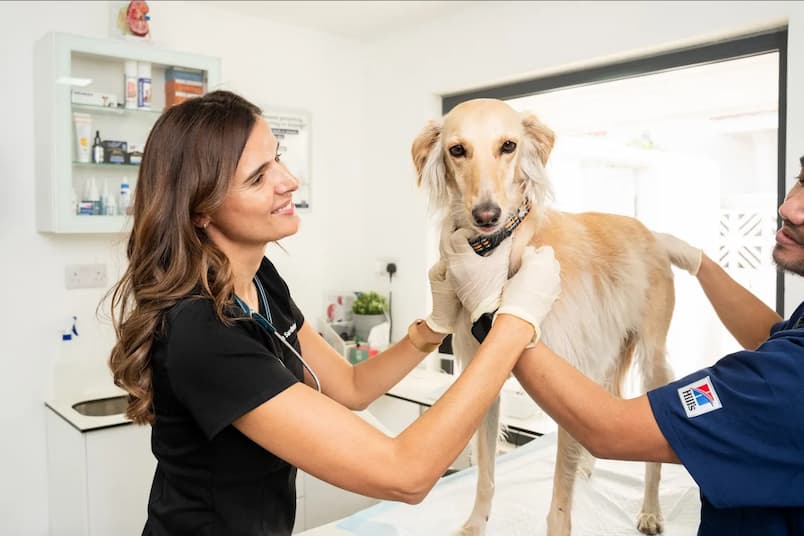
Owners who want dogs that thrive from puppyhood through senior years increasingly seek dog vet in Lakewood services that emphasize proactive, continuous, and individualized care rather than one-off visits. A professional dog veterinarian focused on lifelong health treats veterinary medicine as a long game: preventing disease before it starts, detecting problems early through routine screening and diagnostics, and coordinating multidisciplinary care when a condition becomes complex.
For business-minded readers who value systems, planning, and long-term ROI, lifelong veterinary care mirrors a smart growth strategy. Consistent investment in preventive care reduces emergency costs, improves quality of life, and creates predictable outcomes over time. Regular wellness exams, tailored vaccination plans, dental care, nutrition guidance, and age-appropriate diagnostics form the foundation, while advanced imaging, lab testing, and referrals ensure issues are addressed at the right moment.
This article explains what lifelong veterinary care looks like in practice, the core services a dog veterinarian provides at each life stage, how advanced diagnostics and treatments preserve healthy years, the role of behavioral and rehabilitation support, how to build a strong preventive partnership with a vet, and when specialist referrals become the smartest next step.
What Lifelong Veterinary Care Means For Dogs
Lifelong veterinary care is a proactive, stage-based approach that views a dog’s health as a continuous project, not a series of isolated visits. Rather than reacting to illness, a veterinarian focused on lifelong health builds risk profiles, tracks changes across years, and prioritizes prevention, vaccines, parasite control, nutrition, and behavior, so dogs enjoy more healthy, productive years.
Preventive Medicine And Wellness Plans
Preventive medicine sits at the core of lifelong care. Regular wellness exams, age-appropriate vaccinations, parasite prevention, and routine lab screening reduce the incidence of severe disease and catch conditions early when interventions are most effective. A well-designed wellness plan is individualized: it considers breed predispositions, lifestyle (urban apartment vs. rural working dog), and household risks (young children, immunocompromised people). For the audience used to strategic roadmaps, think of preventive medicine as the owner’s recurring subscription: predictable cost, measurable outcomes, and fewer emergency “burn-rate” events.
Life Stage–Based Care
Care changes as a dog ages. Puppies need socialization guidance and vaccination schedules: adult dogs benefit most from weight management, dental care, and screening for metabolic issues: seniors require more frequent monitoring for arthritis, kidney disease, endocrine disorders, and cognitive decline. A veterinarian focused on lifelong health creates stage-specific protocols and communicates milestones to owners, so interventions match biological needs rather than arbitrary calendar dates.
Petfolk Veterinary & Urgent Care – Lakewood
Core Services Offered By A Lifelong-Focused Veterinarian
A clinic that commits to lifelong outcomes offers a predictable set of core services, delivered consistently and tracked over time.
Routine Exams And Vaccination Schedules
Routine exams are where trends are spotted: subtle weight loss, a change in gait, or early lens changes. Vaccination schedules follow risk-based guidance, distinguishing between core vaccines and lifestyle-dependent ones. The veterinarian documents responses and tailors booster intervals when justified by titer testing or exposure risk, balancing immunity with cost-effectiveness.
Dental Care And Nutrition Counseling
Oral disease silently undermines systemic health. Regular dental exams, cleanings, and client education on at-home dental care reduce periodontal disease and its systemic consequences. Nutrition counseling is equally pivotal: an evidence-based feeding plan supports immune function, healthy weight, and longevity. Lifelong-focused veterinarians work with owners to choose diets that meet life stage, activity level, and any therapeutic needs, then measure outcomes like body condition score and lab markers.
Chronic Disease Management And Early Detection
Chronic conditions, diabetes, hypothyroidism, osteoarthritis, chronic kidney disease, require structured management protocols. Early detection programs use periodic bloodwork and urinalysis to identify trends before clinical decline. Once identified, veterinarians carry out individualized treatment plans, monitor response, and adjust therapies. This continuity reduces hospitalizations and preserves quality of life.
Advanced Diagnostics And Treatments For Long-Term Health
When prevention and routine care aren’t enough, advanced diagnostics and modern therapies keep dogs healthier for longer.
Imaging, Lab Work, And Genetic Screening
Veterinary imaging, digital radiography, ultrasound, and advanced modalities like CT or MRI, provides detailed insight into internal disease. High-quality in-house or referral lab work enables serial monitoring of organ function and metabolic trends. Increasingly, genetic screening is used to anticipate breed-specific risks and inform breeding or lifestyle decisions. For example, detecting early markers for dilated cardiomyopathy or hip dysplasia allows earlier intervention and tailored exercise plans.
Surgical And Minimally Invasive Options
Surgery remains essential for many conditions, but minimally invasive techniques reduce recovery time and complication rates. Laparoscopy, arthroscopy, and endoscopic procedures are now common in progressive clinics focused on lifelong health. When surgery is indicated, the veterinarian balances short-term risks with long-term benefit, removing a painful mass, correcting a congenital defect, or stabilizing a joint to prevent chronic degeneration.
Behavior, Enrichment, And Physical Rehabilitation
Physical and mental health are intertwined. A long-term perspective includes behavioral health, enrichment, and rehab strategies that maintain function and reduce injury.
Behavioral Assessment And Training Coordination
Problem behaviors often have medical or environmental roots. Lifelong-focused veterinarians screen for pain, neurological issues, and sensory decline that can manifest as aggression or anxiety. They coordinate with certified trainers and behaviorists to develop consistent, reward-based plans that integrate with medical care. For clients juggling multiple vendors, much like agencies managing SEO suppliers, this coordinated approach avoids conflicting advice and delivers better outcomes.
Physical Therapy, Hydrotherapy, And Pain Management
Rehabilitation services extend mobility and comfort. Physical therapy, therapeutic laser, hydrotherapy, and structured exercise plans slow musculoskeletal decline and speed recovery after injury. A veterinarian develops multimodal pain management strategies, combining pharmaceuticals, nutraceuticals, weight management, and targeted therapies, to minimize long-term reliance on high-risk drugs while maximizing function.
Building A Preventive Partnership With Your Veterinarian
Long-term outcomes depend on the relationship between owner and clinic. A preventive partnership transforms episodic visits into a continuous care plan.
Communication, Records, And Telemedicine
Clear communication and accessible records let owners see progress over time. Modern clinics use digital medical records, client portals, and telemedicine check-ins to maintain continuity between in-person visits. Telemedicine is particularly useful for quick follow-ups, behavioral consultations, and triage, saving time and reducing stress for both owner and dog.
Creating A Personalized Wellness Plan
A personalized wellness plan is documented, measurable, and revisited regularly. It sets expectations for exam frequency, diagnostics, nutrition, exercise, and contingency plans for common age-related issues. For owners who appreciate predictable inputs and outputs, like marketers tracking campaigns, this plan functions as a living strategy document that evolves as the dog ages or lifestyle changes.
When To Seek Specialist Care And How Referrals Work
Even the most comprehensive general practice needs specialty partners. Knowing when to escalate care preserves outcomes and avoids unnecessary delays.
Recognizing Red Flags And Urgent Needs
Certain signs warrant immediate attention or specialist evaluation: sudden collapse, severe breathing difficulty, uncontrolled seizures, acute lameness, or evidence of systemic bleeding. Other patterns, recurrent seizures, progressive lameness not responsive to therapy, or complex endocrine disorders, benefit from advanced diagnostics at a specialty center.
Coordinating Care Between Generalists And Specialists
A good referral system is collaborative. General practitioners manage preventive care and chronic conditions while specialists handle advanced diagnostics, oncology, neurology, or complex surgery. Effective coordination includes shared records, clear treatment goals, and a plan for reintegration of care post-procedure. Owners benefit from a seamless handoff that prioritizes the dog’s welfare and minimizes duplication, similar to how agencies coordinate multiple vendors to deliver client outcomes efficiently.
Conclusion
A professional dog veterinarian focused on lifelong health reframes pet care into a sustained investment: preventive protocols, life-stage adaptations, advanced diagnostics, behavior and rehab services, and coordinated specialist care. For owners, and for business-oriented readers who appreciate systems thinking, this model reduces costly crises, preserves quality of life, and produces predictable, measurable results. Choosing a clinic that treats health as continuous strategy rather than episodic firefighting delivers the best return: more years of vitality and a steadier, more manageable cost curve. When assessing providers, look for evidence of structured wellness plans, transparent communication channels, and partnerships with specialists, those are the traits of a practice committed to lifelong health.
Table of Contents