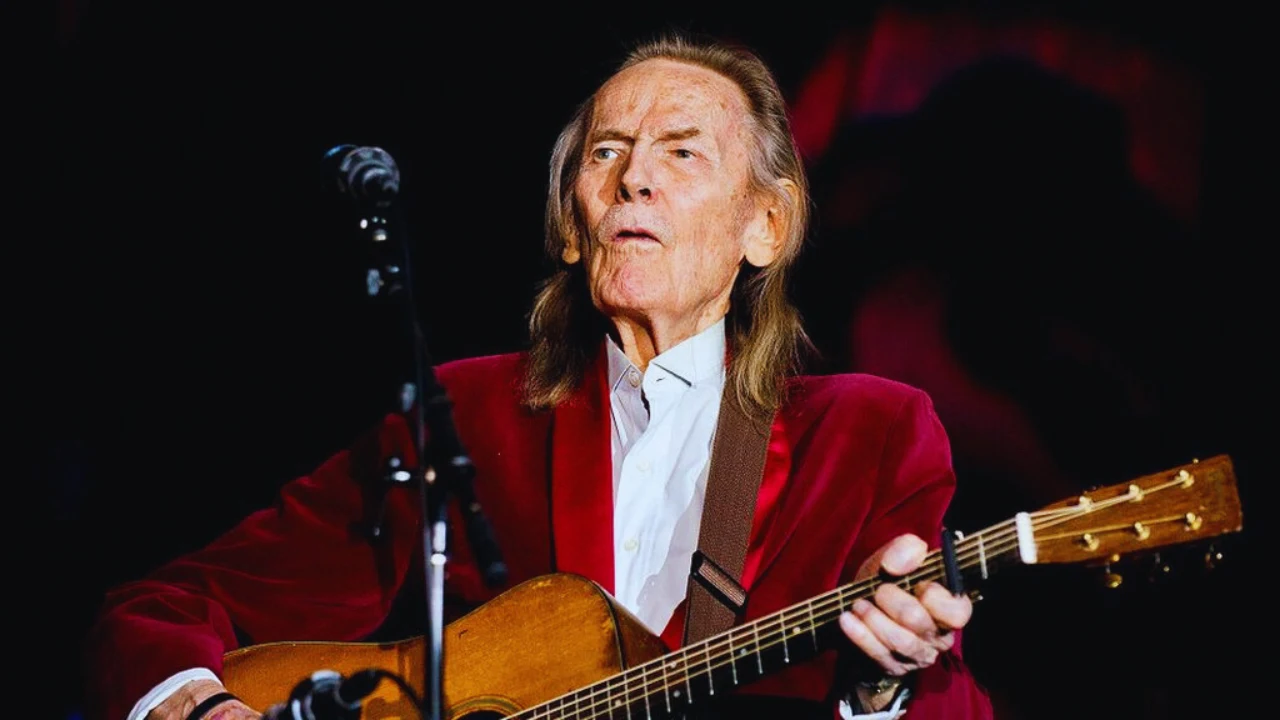
Gordon Lightfoot Net Worth 2025: Gordon Lightfoot’s Biography and Iconic Path
Gordon Lightfoot stands as one of Canada’s most cherished singer-songwriters, whose resonant voice and poetic lyrics captured hearts worldwide for over six decades. Born in the small town of Orillia, Ontario, he rose from local talent shows to international stardom, blending folk, country, and pop in timeless hits like “If You Could Read My Mind” and “The Wreck of the Edmund Fitzgerald.”
Lightfoot’s music painted vivid stories of love, nature, and history, earning him the title “Canada’s Bard” and influencing generations of artists. His enduring legacy reflects resilience, creativity, and a deep connection to his roots, even as he continued to perform into his later years despite health challenges.
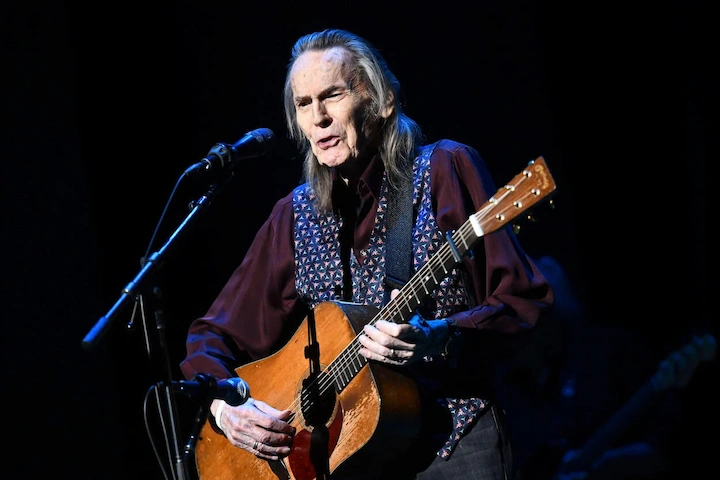
His journey began with simple melodies on piano and guitar, evolving into a career marked by Juno Awards, a Companion of the Order of Canada honor, and covers by icons like Bob Dylan and Johnny Cash.
Lightfoot’s baritone delivery and intricate fingerpicking style defined an era, while his personal struggles added depth to his songs. Fans still celebrate his contributions, from folk festivals to chart-topping albums, solidifying his place in music history.
Who is Gordon Lightfoot?
Gordon Lightfoot, born November 17, 1938, in Orillia, Ontario, emerged as a towering figure in folk and folk-rock music, renowned for his storytelling prowess and melodic genius. He gained fame in the 1960s Toronto folk scene, releasing his debut album, Lightfoot!, in 1966, which featured early successes such as “For Lovin’ Me” and “Early Mornin’ Rain.”
These tracks drew covers from major acts such as Peter, Pa, and Mary, propelling him toward global recognition. Lightfoot’s songwriting delved into personal emotions, maritime tragedies, and Canadian heritage, making him a cultural icon.
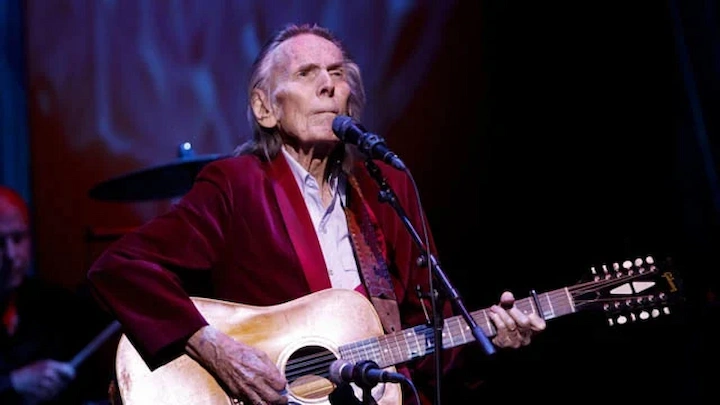
By the 1970s, Lightfoot achieved international breakthroughs with albums like If You Could Read My Mind and Sundown,” which topped the charts in the U.S. and Canada. He amassed 17 Juno Awards, five Grammy nominations, and inductions into halls of fame, including the Canadian Music Hall of Fame in 1986.
Despite a 2006 stroke and other health setbacks, he toured relentlessly until shortly before his passing on May 1, 2023, at age 84, leaving behind over 200 original songs. His influence endures through documentaries like Gordon Lightfoot: If You Could Read My Mind (2019) and tributes from peers who hail him as one of the greatest songwriters ever.
Gordon Lightfoot’s Early Life and Education Qualifications
Gordon Lightfoot grew up in Orillia, Ontario, a lakeside town that shaped his love for music and nature. From age five, he sang in church choirs and performed on piano and drums, winning talent contests across Canada alongside his sister Beverley.
By 12, he played guitar proficiently, drawing from country-western influences and southwestern American sounds. His early exposure came through local radio and family encouragement, igniting a passion that drove him beyond small-town stages.
As a teenager, Lightfoot joined bands like the Orbites, blending doo-wop with folk. He pursued formal training at Toronto’s Laurel Crest Academy, honing orchestration skills. In the early 1960s, he ventured to Los Angeles’ Westlake College of Modern Music, studying musical theory and composition.
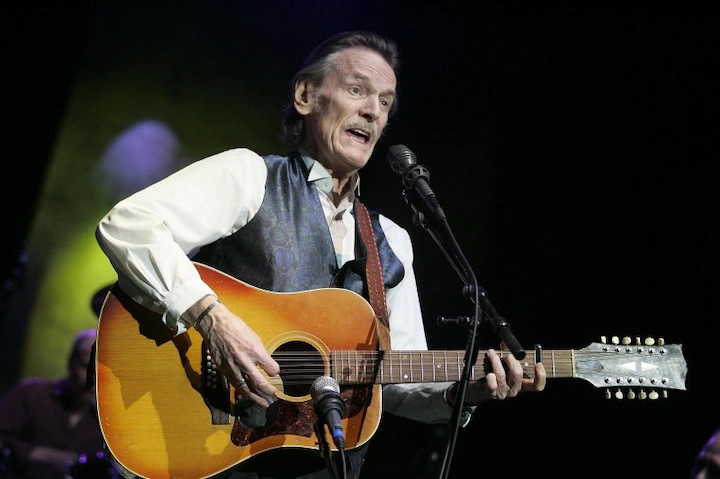
Homesickness and a desire to build in Canada prompted his return in 1963, where he hosted the BBC’s Country and Western Show in the UK before focusing on songwriting back home. Lightfoot’s education extended through self-taught mastery of fingerstyle guitar and lyrics that evoked vast landscapes.
Though he lacked a traditional degree, his practical learning fueled hits and collaborations. This foundation propelled him into Toronto’s Yorkville folk circuit, setting the stage for a prolific career rooted in raw talent and relentless practice.
Gordon Lightfoot Personal Life and Relationships
Gordon Lightfoot navigated a complex personal life amid his rising fame, marked by three marriages and long-term partnerships. He wed folk singer Brita Olaisson in 1963, and the couple welcomed two children—Fred and Ingrid—before divorcing in 1973 amid the strains of touring.
Lightfoot later married Elizabeth Moon in 1989, fathering a son, Miles, and adopting a daughter, Meredith, but they parted ways in 2011 after 16 years. His relationships often inspired songs that reflected heartbreak and devotion.
Beyond marriage, Lightfoot shared a significant bond with Cathy Smith, whose influence was evident in tracks like “Sundown,” which is rumored to capture jealousy and nightlife tensions. He maintained close ties with six children total, including two from earlier relationships, prioritizing family despite a nomadic lifestyle.
Lightfoot spoke candidly about solitude fueling his creativity, yet cherished quiet moments with loved ones in Orillia. Health scares, including a 2010 death hoax and a 2a 006 stroke, deepened his appreciation for personal connections, which he credited for his resilience.
| Relationship | Years | Children/Notes |
|---|---|---|
| Brita Olaisson | 1963-1973 | Fred, Ingrid |
| Elizabeth Moon | 1989-2011 | Miles (son), Meredith (adopted) |
| Cathy Smith | Significant bond | Inspired by “Sundown” |
| Total Children | N/A | Six across relationships |
Gordon Lightfoot’s Physical Appearance
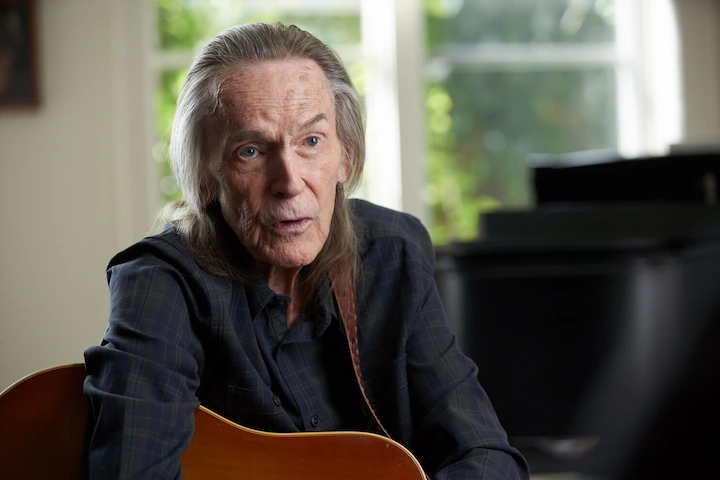
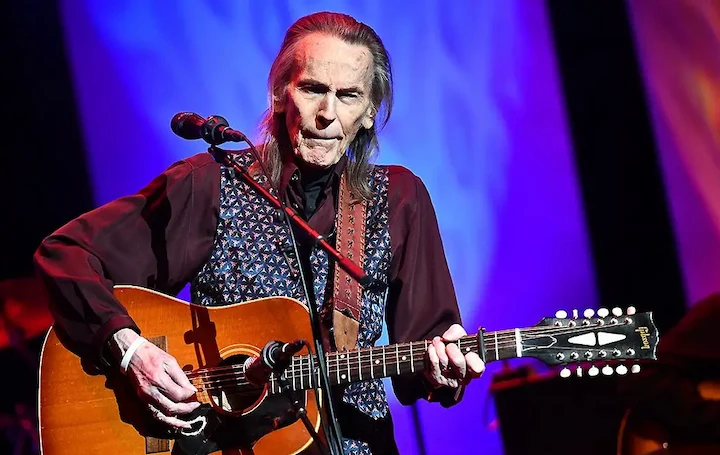
Gordon Lightfoot possessed a distinctive, rugged look that complemented his folk troubadour image—tall at 6 feet, with a lean, wiry frame honed by active touring. His warm baritone voice paired with sharp features: high cheekbones, piercing blue eyes, and thick dark hair that grayed into a signature salt-and-pepper mane, often worn long and tousled. Clean-shaven or sporting a neat mustache in later years, he favored simple attire like button-down shirts, jeans, and boots, evoking an everyman authenticity on stage.
Gordon Lightfoot’s Professional Career
Breakthrough in the 1960s Folk Scene
Gordon Lightfoot ignited his professional career in Toronto’s vibrant Yorkville folk clubs during the mid-1960s. He signed with United Artists and released Lightfoot! in 1966, which soared on the Canadian charts with originals like “I’m Not Sayin'” and “Ribbon of Darkness.” Covers by Peter, Paul, and Mary amplified his reach, while CBC commissioned “Canadian Railroad Trilogy” for Canada’s centennial, cementing his narrative style. Lightfoot toured Europe, hosted BBC shows, and built a reputation as a masterful storyteller.
1970s Chart-Topping Success and Iconic Hits
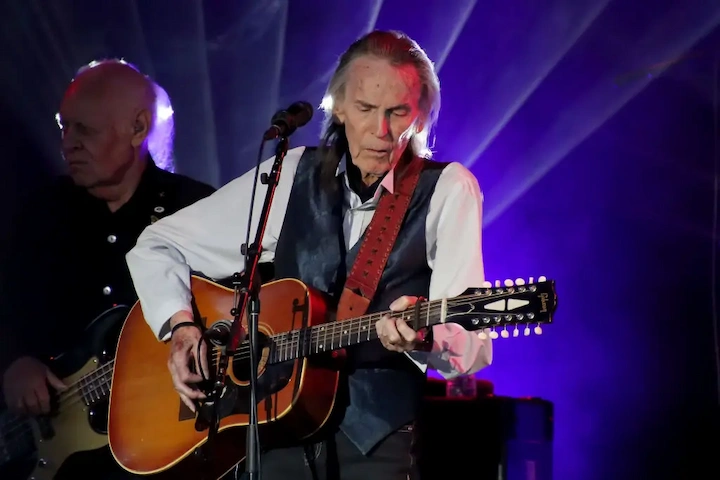
The 1970s marked Lightfoot’s commercial peak after switching to Warner Bros. His 1970 album Sit Down Young Stranger—renamed If You Could Read My Mind—yielded a top-five U.S. hit, followed by “Sundown” reaching number one in 1974. Summertime Dream (1976) delivered “The Wreck of the Edmund Fitzgerald,” a ballad about a Lake Superior shipwreck that reached number two on the U.S. charts. Albums like Don Quixote and Gord’s Gold showcased poetic depth, earning Grammy nods and solidifying his folk-rock legacy.
Later Years, Awards, and Enduring Legacy
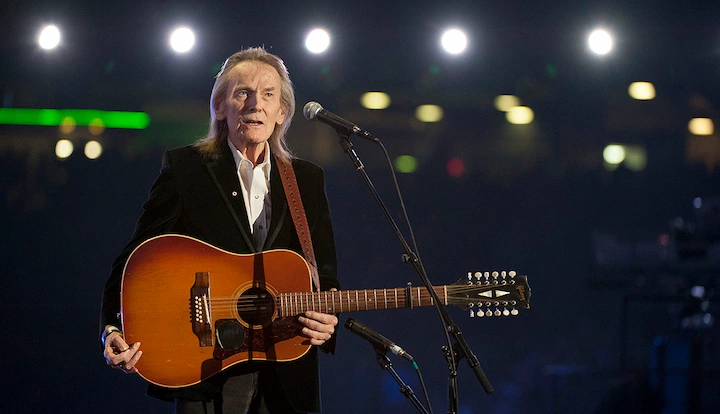
Lightfoot sustained output into the 1980s and beyond, releasing Endless Wire and touring globally despite a 2006 stroke that sidelined him briefly. He garnered 17 Juno Awards, Companion of the Order of Canada status in 1978, and hall of fame inductions. Performing at events like the 2012 Grey Cup and earning a 2015 bronze sculpture in Orillia, he inspired tributes until his final tours. Lightfoot’s catalog, covered by Dylan and Cash, remains a cornerstone of Canadian music.
| Subheading | Highlights | Key Achievements |
|---|---|---|
| 1960s Folk Scene | Yorkville clubs, Lightfoot! album | “For Lovin’ Me,” CBC “Railroad Trilogy” |
| 1970s Success | Warner Bros. switch, hits albums | “Sundown” #1, “Edmund Fitzgerald” #2, Grammy nods |
| Later Years | Post-stroke tours, awards | 17 Junos, Order of Canada, 2019 documentary |
Gordon Lightfoot Net Worth
Gordon Lightfoot’s net worth at his passing in 2023 was estimated at $30-40 million, amassed through decades of album sales, tours, and royalties from over 200 songs. Hits like “The Wreck of the Edmund Fitzgerald” generated ongoing streams, while real estate in Toronto and Orillia added to his estate. No major 2024 updates have been made posthumously, but licensing deals and catalog value likely sustain this figure amid tributes.
Gordon Lightfoot Social Media Presence
Gordon Lightfoot maintained a modest social media footprint, with his official Facebook page—run by his team—boasting over 100,000 followers for sharing tour updates, archival footage, and fan stories before his 2023 death.
His website, gordonlightfoot.com, offers news, merchandise, and setlists, while his YouTube channels have millions of views for classics like “Sundown.” Posthumously, fans drive engagement on TikTok and Instagram via covers and clips, amplifying his reach without personal accounts.
Gordon Lightfoot Interesting Facts
- Lightfoot wrote “The Wreck of the Edmund Fitzgerald” after reading a Newsweek article, correcting nautical details for accuracy.
- Bob Dylan once called him one of the best songwriters, and his work inspired covers of his songs.
- He survived a 2010 Twitter death hoax while at the dentist, calling in live to debunk it.
- Lightfoot composed “Canadian Railroad Trilogy” for Canada’s 1967 centennial, and it spans 18 minutes.
- A 4-meter bronze sculpture honoring him stands in Orillia, depicting him beneath golden maple leaves.
- He won 17 Juno Awards and was named to the Order of Canada in 1978.
- Elvis Presley, Johnny Cash, and Barbra Streisand covered his songs early on.
- Lightfoot toured the UK in 2016 after nearly 40 years, thrilling fans.
- His 2019 documentary, If You Could Read My Mind, explored his life in depth.
- At 84, he canceled his final tour weeks before passing on May 1, 2023.
Gordon Lightfoot Other Interesting Hobbies
Beyond music, Gordon Lightfoot pursued hobbies that grounded him amid fame, including avid boating on Ontario’s lakes, where he drew inspiration for maritime ballads. He enjoyed painting watercolors of nature scenes, reflecting his poetic eye, and followed hockey passionately as a lifelong Toronto Maple Leafs fan. Lightfoot savored quiet fly-fishing trips and reading historical novels, activities that recharged his creativity and connected him to Canada’s wilderness heritage.
Final Words
Gordon Lightfoot’s life exemplifies the power of authentic storytelling through song, leaving an indelible mark on folk music and Canadian culture. His ability to weave personal vulnerability with epic narratives—like the haunting “Edmund Fitzgerald”—resonates across generations, proving music’s timeless bridge to human experience. As peers like Ronnie Hawkins dubbed him the world’s most incredible songwriter, Lightfoot’s humility and work ethic shine through, inspiring aspiring artists to prioritize craft over commercialism.
Fans and musicians continue to honor his legacy through festivals, covers, and biographies such as Nicholas Jennings’ Lightfoot. Though silenced in 2023, his melodies echo in playlists and airwaves, reminding us of simpler times and profound truths. Lightfoot teaches that true artistry endures, urging us to listen closely and find poetry in everyday struggles.
Table of Contents