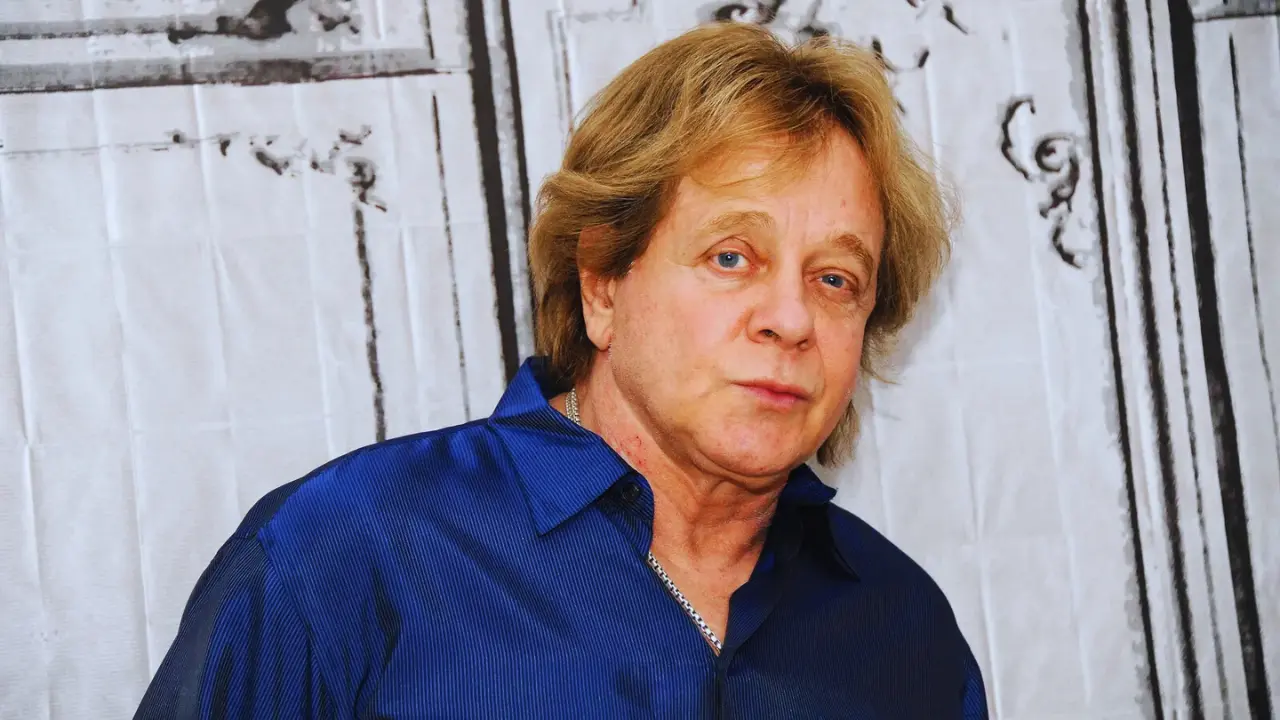
Eddie Money Net Worth 2025: From NYPD Streets to Rock ‘n’ Roll Paradise.
Eddie Money, born Edward Joseph Mahoney, engaged audiences with his distinctive tenor and sincere rock anthems throughout the late 1970s and 1980s. Emerging from the streets of New York to achieve MTV fame, he produced enduring successes such as “Two Tickets to Paradise” and “Take Me Home Tonight,” combining genuine emotion with memorable melodies that characterized an era.
His progression from a police family background to a rock legend exemplifies resilience in the face of personal struggles with addiction and health issues, leaving a lasting legacy through his music and family.
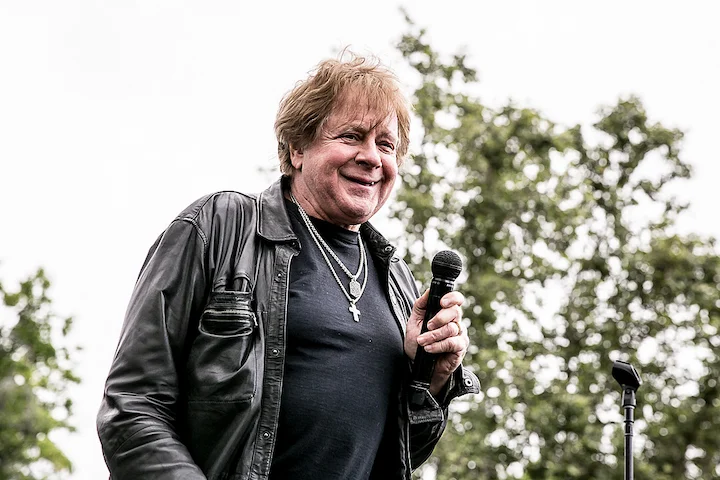
This introduction establishes the foundation for examining Money’s life, from modest origins to chart-topping achievements and subsequent endeavors. Fans recall him not only for his musical compositions but also for his candid personality, as demonstrated in reality television and live performances. His narrative reflects themes of victory, loss, and redemption within the intense realm of rock ‘n’ roll.
Who is Eddie Money?
Eddie Money was a notable American singer-songwriter, renowned for his distinctive raspy voice and popular pop-rock hits that led the charts during the 1970s and 1980s. Born Edward Joseph Mahoney on March 21, 1949, in New York City, he changed his name to “Money” to create a more striking impression before beginning his music career.
With eleven Top 40 recordings, including Billboard Top 10 hits “Take Me Home Tonight” (featuring Ronnie Spector) and “Walk on Water,” Money established itself as a regular presence on radio and MTV. His debut album, released in 1977, achieved double platinum status, driven by the hits “Baby Hold On” and “Two Tickets to Paradise.”
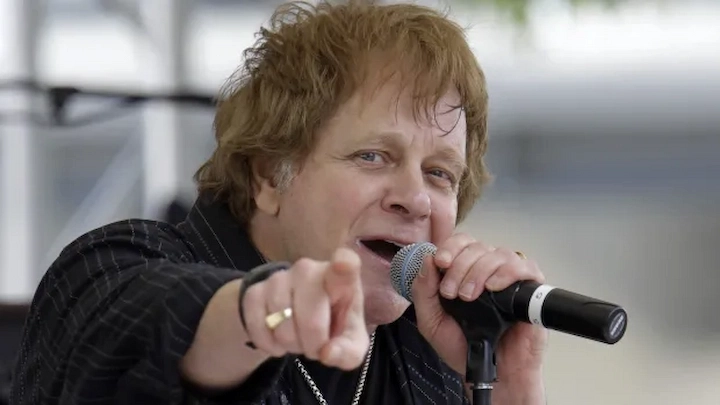
The appeal of Money lay in his relatable charisma and blues-inspired influences, drawing on artists such as Otis Redding and James Brown. He transitioned from a New York police officer to a nightclub performer in the Bay Area, with the assistance of impresario Bill Graham, who initiated his recording contract with Columbia Records.
Subsequently, he appeared in films such as “Over the Top” and starred in the reality television series “Real Money” alongside his family. Money passed away on September 13, 2019, at the age of 70 due to complications from esophageal cancer, and is survived by his wife Laurie and five children. His music continues to inspire others, with family members such as Jesse and Julian preserving his legacy.
Eddie Money’s Early Life and Educational Background
Eddie Money was raised in a large Irish Catholic household in Brooklyn, New York, and later moved to Levittown on Long Island. Born to homemaker Dorothy Elizabeth Keller and New York Police Department officer Daniel Patrick Mahoney, he briefly continued a family tradition by joining the police force shortly after graduating from high school.
From the age of 11, Money performed on the streets and participated in rock bands throughout his teenage years, primarily to garner the admiration of cheerleaders. He was threatened with expulsion from a high school for falsifying a report card, but ultimately graduated from Island Trees High School in 1967.
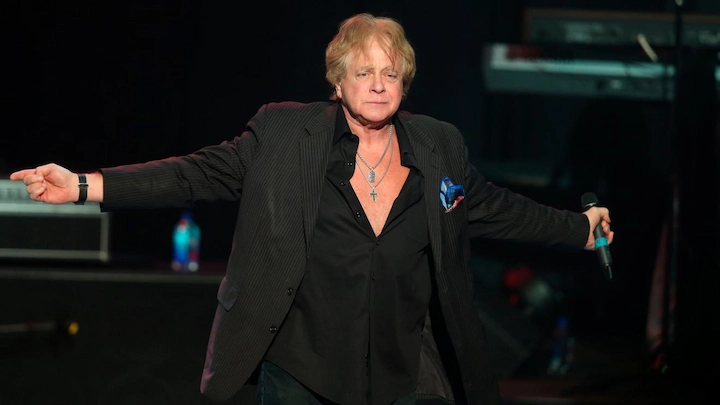
Money’s early aspirations conflicted with familial expectations; his grandfather, father, and sibling were all members of the NYPD, exerting pressure on him to pursue a career in law enforcement. At the age of 18, he was employed as a police clerk and typist but left in 1968 to pursue a music career, defying his disapproving father’s strict short-hair regulations and the torn-down posters of Jimi Hendrix. He moved to Berkeley, California, let his hair grow long, and actively engaged in the bohemian movement as an anti-war demonstrator.
No formal higher education defined Money’s trajectory; his “qualification” was derived from street intelligence and self-directed musical development. He performed in Bay Area venues, sold jeans, and briefly served as a member of Big Brother and the Holding Company after Janis Joplin. This robust foundation underpinned his genuine rock approach, culminating in his significant breakthrough.
Eddie Money’s Life and Personal Relationships
Eddie Money married model Laurie Harris in 1989 after they met in 1985; she played a significant role in his path to sobriety. The couple celebrated thirty years together, renewing their vows a few months before his passing in 2019, and they raised five children: Zachary, Jesse (Jessica), Joseph, Julian, and Desmond.
Several children pursued music—Jesse, Julian, and Desmond performed with him on stage and appeared on “Real Money.” Money prioritized family, leading to the cancellation of children’s shows and the decision to settle in Westlake Village, California, while maintaining a vacation property in Florida for golf and leisure.
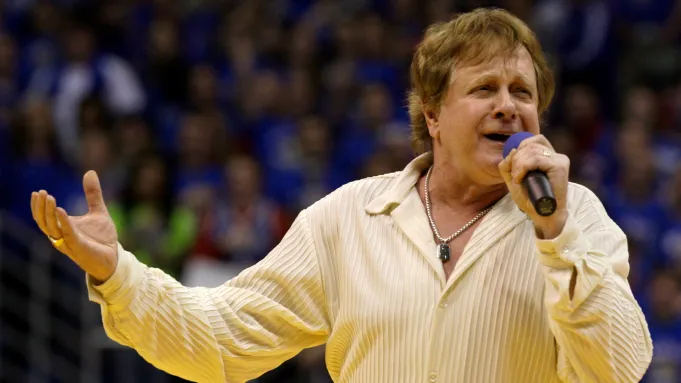
His life encompassed struggles with addiction; he joined a 12-step program in 2001 and attained sobriety by 2003. Money was formerly married to Margo Lee Walker, but details remain limited.
A seasoned smoker, he confronted heart surgery and stage IV esophageal cancer in 2019, candidly sharing his experiences with his followers. Family played a prominent role in his reality television program, combining suburban normality with a rock-and-roll lifestyle—he drove a Volvo and considered speeding tickets his primary “vice.”
| Period | Highlights |
|---|---|
| Early Breaks (1976-1977) | Discovered by Bill Graham; Columbia Records deal; debut album double-platinum with “Baby Hold On,” “Two Tickets to Paradise.” |
| Peak Hits (1980s) | Can’t Hold Back (1986): “Take Me Home Tonight” (Top 10 duet), “I Wanna Go Back”; “Walk on Water” (1988); MTV videos; toured with the Rolling Stones. |
| Later Years (1990s-2019) | Pine Knob opener 27 summers; Quack Pack theme; Long Island Hall of Fame (2008); “Real Money” TV; acting in films |
Eddie Money’s Physical Characteristics
Eddie Money was 11 feet (1.80 m) tall, with a robust physique that complemented his gritty, raspy vocal voice, developed through street performances. His signature during his peak years resembled his tousled, dark, day-old hair, his long, rebellious style, and his police family background, all complemented by casual rock attire such as leather jackets and denim.
In subsequent years, his physique expanded, symbolizing suburban life. Yet his expressive face—characterized by a playful grin and penetrating eyes—continued to possess the charisma that lit up stages and screens.
Eddie Money’s Career in the Music Industry
Early Breakthroughs and Successful Debuts
Eddie Money left his career with the NYPD in 1968 to pursue opportunities in California venues, gaining the attention of Bill Graham in 1976, which led to a recording contract with Columbia Records. His 1977 self-titled debut album achieved double-platinum sales, propelled by the hits “Baby Hold On” (No. 11 on the Hot 100) and “Two Tickets to Paradise.” Graham provided mentorship that helped him secure a television appearance, including one on Saturday Night Live.
Peak Successes and the MTV Era
The 1980s saw notable comebacks; the 1986 release Can’t Hold Back included the top-10 duet “Take Me Home Tonight” with Ronnie Spector and the track “I Wanna Go Back.” “Walk on Water” reached the Top 10 in 1988, with MTV music videos for “Think I’m in Love” and “Shakin'” boosting its prominence. He performed alongside the Rolling Stones and at the US Festival, attracting audiences of 650,000.
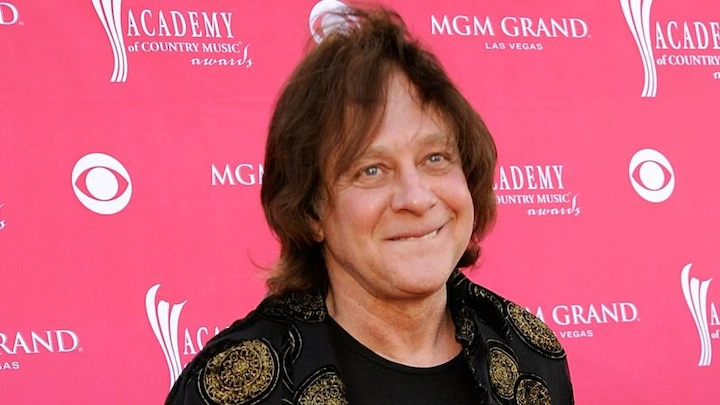
Subsequent Years and Enduring Legacy
Funds allocated to compilations and new material during the 1990s and 2000s, resulting in 27 years of summer events at Pine Knob and the composition of Disney’s Quack Pack theme. Inducted into the Long Island Music Hall of Fame in 2008, he appeared in “Real Money” and participated in various film productions. Tours persisted until health concerns arose; his body of work remains enduring.
Eddie Money’s Net Worth
Eddie Money had a net worth of $20 million at the time of his death in 2019, primarily from music sales, touring, and television appearances. Hits such as “Take Me Home Tonight” produced royalties, complemented by the reality program “Real Money” and various endorsements. No significant updates for 2024 have been reported post-mortem; however, his estate—including properties in California and Florida—was transferred to his wife, Laurie, and their five children.
| Attribute | Description |
|---|---|
| Height & Build | 5’11” (1.80m); sturdy frame, raspy voice; long dark hair in youth, leather jackets |
| Net Worth at Death | $20 million (2019); from royalties, tours, TV; estate to Laurie & kids (CA/FL homes) |
| Social Media | X @ImEddieMoney (27.1K followers); IG @imeddiemoney (20.6K); official site eddiemoney.com |
Eddie Money’s Presence on Social Media
Eddie Money’s official accounts continue to flourish posthumously, with @ImEddieMoney on X (Twitter) amassing 27.1K followers for updates and commemorations. Instagram @imeddiemoney has 20.6K followers and shares family tributes such as “Stay With Me” along with acknowledgments for 2024. His website, eddiemoney.co, features connections to music, videos, and a store, while Apple Music and Deezer stream his popular tracks. Family oversees his digital presence, ensuring his resilient personality endures online.
Interesting Facts About Eddie Money
- Commenced street singing at the age of 11 in New York.
- Changed the name from Mahoney to Money to enhance its allure.
- Briefly served as an NYPD clerk, akin to family, but resigned in pursuit of long hair and music.
- Expelled from secondary education due to the falsification of a report card.
- Joined Big Brother and the Holding Company following the demise of Janis Joplin.
- I organized the Pine Knob concerts continuously for 27 consecutive summers beginning in 1992.
- Composed the theme for Disney’s Quack Pack in 1996.
- Nominated for a Grammy Award for “Take Me Home Tonight.”
- Performed during the intermission of the Liberty Bowl in 2010.
- Inducted into the Long Island Music Hall of Fame in 2008.
Eddie Money’s Additional Notable Interests
Eddie Money adopted a relaxed beach-idler persona, often surfing at Huntington and Malibu, and humorously remarked that the teenager had surpassed his own surfing skills. He owned a Florida residence dedicated to golf, fishing, surfing, and leisure, with a bar, integrating rock excursions with family relaxation.

Early influences encompassed the blues of John Lee Hooker, and he opposed the conflict during 1960s San Francisco while collecting records by Bob Dylan. Football discussions and stage presence emphasized his grounded nature.
Concluding Remarks
Eddie Money’s life is reflected in his songs, which embody themes of love, longing, and rebellion, serving as a reminder to listeners to persevere amid chaos. From fraudulent report cards to platinum albums, he lived authentically, inspiring others through his resilience in the face of addiction and illness. His family’s dedication to music perpetuates that ethos.
Continue to enjoy “Two Tickets to Paradise”—Money’s legacy encourages you to pursue your ambitions with confidence. Stream his entire catalog, enjoy family programs, and honor the distinctive voice that characterized multiple periods. Actual emblems endure forever; they resonate throughout eternity.
Table of Contents