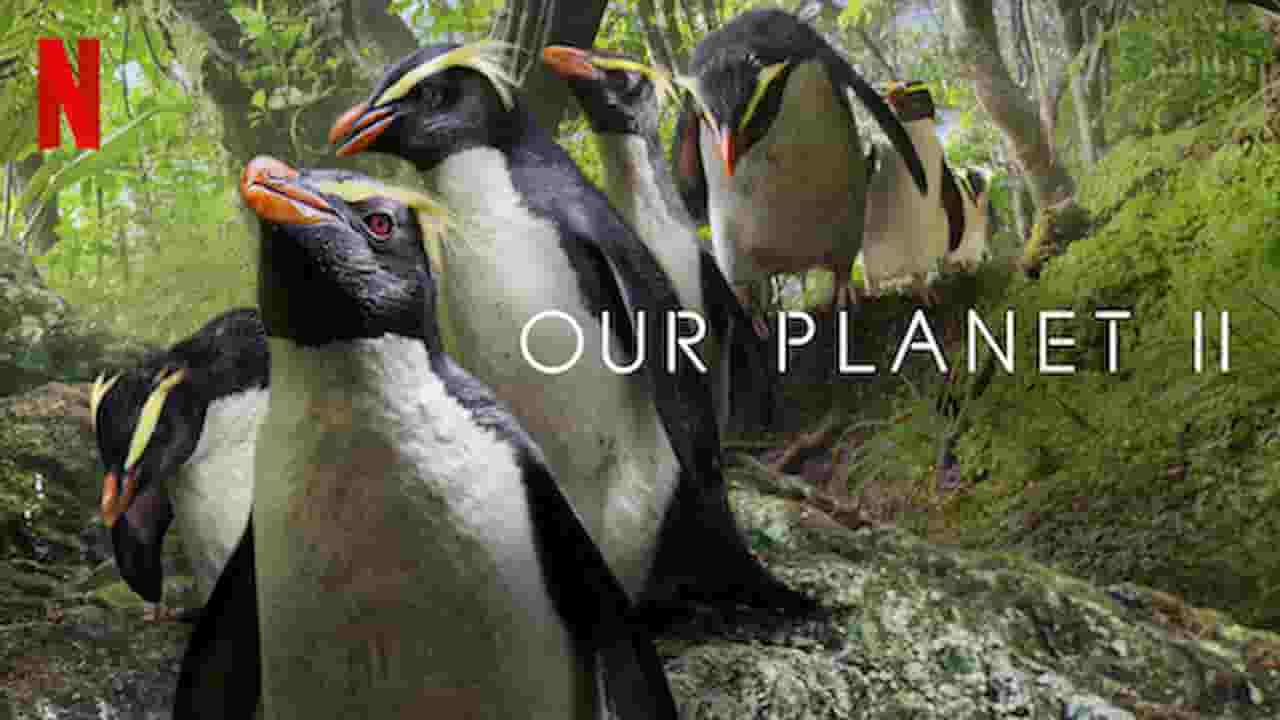
8 Documentaries Like Our Planet You Love to Watch
If you’re someone who likes to watch documentaries, or if you are someone who loves to admire the beauty that this planet has to offer, there’s a good chance you have already seen the critically acclaimed documentary series, “Our Planet,” on Netflix.
This series focuses on filming the most picturesque and stunning places around the world to show the beauty and how fragile our planet really is. After watching it,t what do you do? We have what you are looking for.
Here are 8 documentaries similar to “Our Planet” that you will love to watch:
8 Documentaries Like Our Planet:
1. Planet Earth

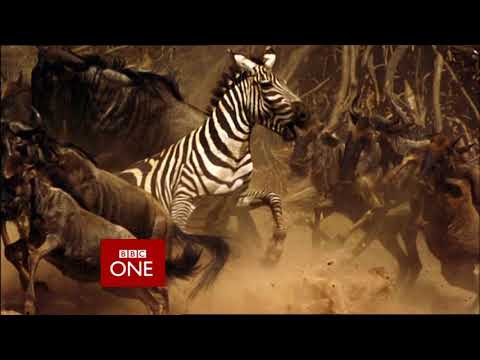
This documentary series captures and showcases the mysterious and wonderful parts of our planet. This series has captured the hearts and minds of people worldwide with its stunning visuals and narration. The BBC produced this series, and Sir David Attenborough narrated it.
This documentary takes viewers through many different habitats, from the deepest parts of the ocean to the highest mountains. This documentary highlights the many different forms of life on our planet. Each episode focuses on a different habitat and the many different types of plants and animals that live in that ecosystem.
Planet Earth uses higher-quality cameras and filming methods than other documentaries. Because of this, the crew was able to film things that had never been filmed before. They filmed things that required them to spend months at a time in remote locations. They also used drones and other equipment to capture shots that had never been filmed before.
Planet Earth has something for everyone. It appeals to people who like nature documentaries and those who enjoy the beautiful pictures Planet Earth offers. The graphics are gorgeous and, coupled with an exciting story, every viewer is guaranteed to be on the edge of their seat.
Along with being enjoyable, the series serves a greater purpose. It teaches about the delicate balance of ecosystems and the threats that those ecosystems face. It uses its visuals to highlight the need to protect them and offers a story viewers can enjoy while also supporting the cause of protecting our planet.
2. Planet Earth II

A remarkable documentary series that takes audiences on a journey across the planet to showcase the beauty of our ecosystems and biodiversity. If you like nature documentaries or appreciate beautiful scenes, then you have probably heard of the documentary series ‘Planet Earth II.’ Let’s analyze this documentary and why it has won so many awards.
The documentary series ‘Planet Earth II’ is the second in the franchise, which began around 2006 with ‘Planet Earth.’ The British Broadcasting Corporation (BBC) produced both series, and it is known for its excellent wildlife documentaries. The series also features Sir David Attenborough as the narrator, whose voice is now synonymous with wildlife documentary narration.
The series has six episodes, each focusing on a particular biome. The biomes are cities, mountains, grasslands, deserts, jungles, and islands. ‘Planet Earth II’ brings viewers closer than ever to the challenges different animal species face in these biomes. This is done through outstanding cinematography. The series takes viewers to the wonders of nature, including hunting scenes of snow leopards in the Himalayas and flamingos doing the heavenly dance in the salt flats of Bolivia, among many other things.
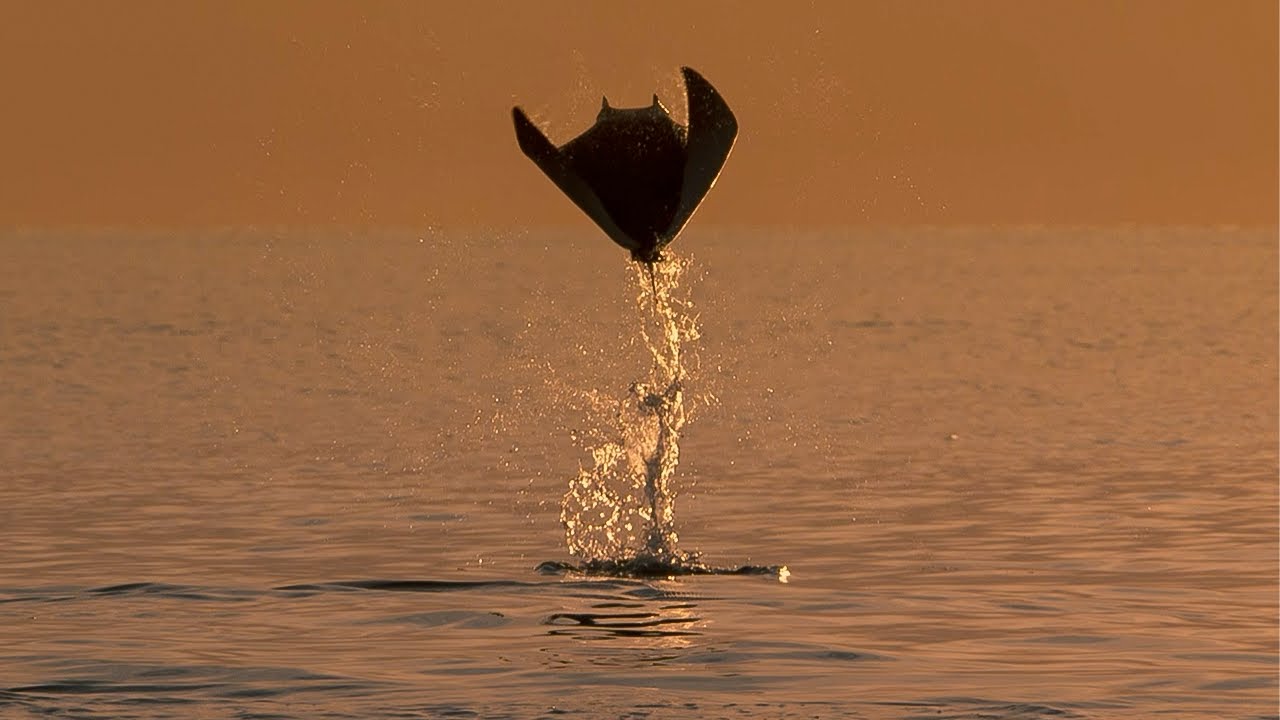
“Planet Earth II” is beautiful to look at and pushes the boundaries of documentary filmmaking with cutting-edge technology. Drones, high-speed cameras, and remote-controlled video systems let the filmmakers capture previously unfilmed, remote, and hard-to-reach areas of the world. Forward-thinking filmmaking like this not only documents the beauty of our planet but sets a new standard for all environmental documentaries. It even improves the viewing experience.
3. Blue Planet II

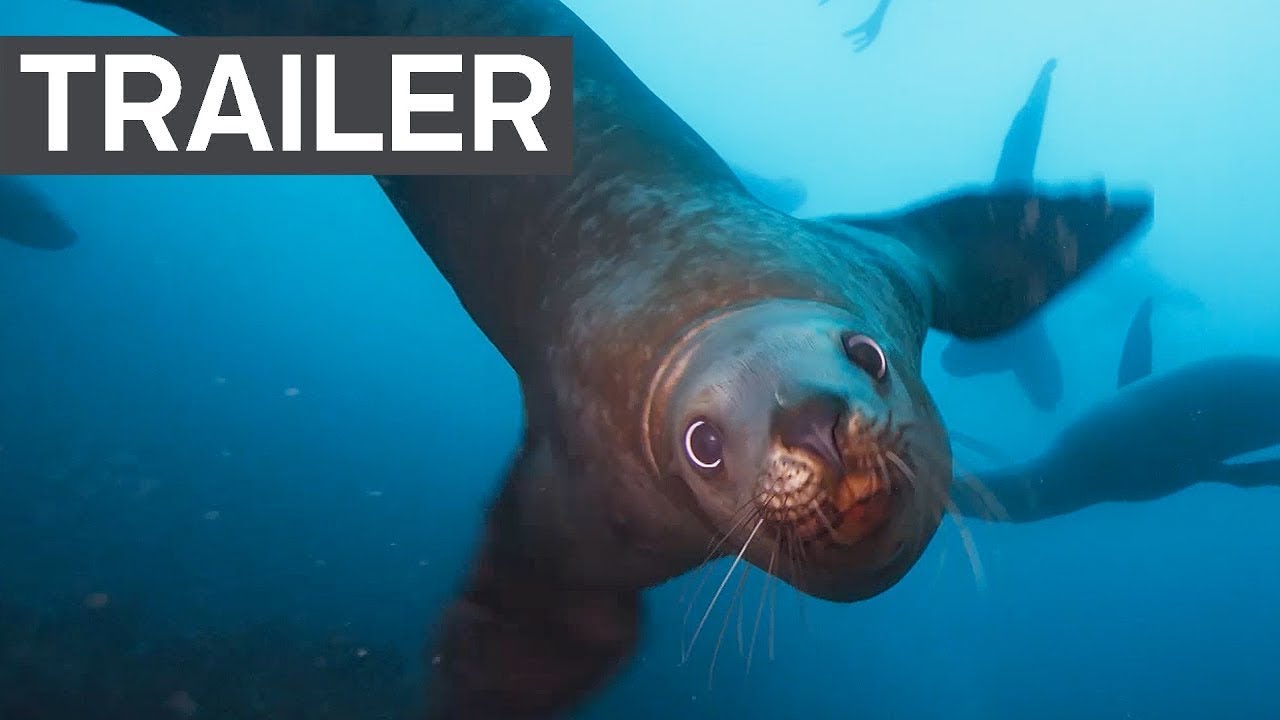
In 2017, the BBC Natural History Unit’s “Blue Planet II” captivated audiences with the little-known but mesmerizing beauty of the deep sea.
Sir David Attenborough’s documentary series, “Blue Planet II,” showed the public marine life like never before. It documented the vast number of species that inhabit the sea and the struggles they face in their underwater habitats. The series highlighted the delicate balance of the ocean’s ecosystems and the negative impact human activities have on them. The series documented it all, from the coral reefs to the unexplored deep sea.
Blue Planet II’s success was partly due to its beautiful cinematography. The film’s crew used new technologies such as remotely operated vehicles and cameras specifically designed to capture marine life. The amazing footage created by this equipment allowed Blue Planet II’s crew to capture previously unseen footage of marine life. The visuals created awe in viewers and helped cultivate a respect for the ocean and its wonders.
Blue Planet II’s success also came from its documentary-style narratives. Each episode covers a different part of the ocean and its resident marine life. The documentaries highlight the behavioral diversity of marine life and the environmental challenges they face. The series taught viewers of all ages the importance of conservation and protecting our oceans.
Blue Planet II’s impact on modern popular culture cannot be overstated. The documentary spurred action from individuals, corporations, and national governments, catapulting environmental concerns to the forefront of global discussion. Other documentary-style series inspired by Blue Planet II helped drive positive change by highlighting concerns such as plastic pollution, overfishing, and climate change.
4. Night on Earth

Do you love watching documentaries? Are you passionate about nature? If you answered yes to either, then you need to watch Night on Earth. This series is available on Netflix and is perfect for anyone who wants to appreciate the natural world’s beauty. In this article, I will provide a synopsis of the documentary series and explain why its viewer base has grown.
The television series Night on Earth consists of six episodes, each covering a different part of the world and the amazing things that happen in the animal kingdom at night. Each episode focuses on a different biome, including cities and oceans. This series uses state-of-the-art technology to film animals in their natural habitats and to capture footage for the documentary. This series focuses on animal behavior and relationships that are usually hidden during the day.
This documentary uses special low-light camera technology to capture nocturnal creatures without disrupting them, which is one of its main features. This allows filmmakers to capture creatures that are usually difficult to film. This film offers beautiful visuals and an engaging experience that takes viewers into a world that is often hidden and mysterious.
Samira Wiley, who has starred in acclaimed shows like “Orange Is the New Black” and “The Handmaid’s Tale,” provides the narration for this documentary. Wiley’s soothing voice helps capture the animals’ personalities and helps viewers understand their behaviors and implications throughout the documentary.
5. Seven Worlds, One Planet

Documentaries have entertainment value because they show the public different aspects of the world. One of the most beloved documentary series of all time is “Seven Worlds, One Planet.” In this groundbreaking series, the BBC’s Natural History Unit portrays the biomes of the world’s seven continents and the stunning variety of life our planet contains.
Each episode of “Seven Worlds, One Planet” focuses on one continent and the distinct wildlife that is characteristic of that continent and that continent’s ecosystems and landscapes. The series covers beautiful natural regions around the world, including the African savannah and the Arctic tundra. It shows the challenges creatures in those regions face and the balance of those ecosystems.
What sets “Seven Worlds, One Planet” apart from other environmental documentaries is the photography and images that give the series its own identity. The producers documented some absolutely amazing scenes, from the Great Wildebeest Migration in Africa to the Barrier Reef, that we’ve never seen before. Thanks to drones and other new technology, nature can be filmed like never before.
The wide acclaim for “Seven Worlds, One Planet” comes from the producers’ ability to capture the planet’s beauty and inspire viewers of all ages to want to protect it. The series encourages viewers to consider how their actions affect the natural world and to think about the balance of the planet’s ecosystems, which are essential for all forms of life to continue to exist on Earth.
6. Ice on Fire

There’s been a surge in the number of people worried about the state of the planet and how humans have impacted it, especially in recent years. This has boosted the popularity of documentaries about climate change and sustainability. One of the most popular documentaries in this category is ‘Ice on Fire.’
‘Ice on Fire’ is one of the most powerful documentaries directed by Leila Conners. It focuses on the worsening climate crisis and offers solutions. The documentary covers the polar ice caps, rising sea levels, deforestation, and greenhouse gas emissions. It was released in 2019.
What makes ‘Ice on Fire’ different from other climate change documentaries is its focus on positive solutions that could reverse the effects of climate change. The documentary covers numerous projects and initiatives worldwide that focus on lowering carbon emissions, restoring and regenerating ecosystems, and transitioning to renewable energy.
What makes “Ice on Fire” special is its ability to condense difficult scientific information into something easily accessible to the general public. This documentary uses various techniques to both engage and educate its audience. It features beautiful images and interviews with scientists and environmentalists, along with straightforward explanations of the issues.
The release of “Ice on Fire” was accompanied by the symbolic namesake song, and for good reason. “Ice on Fire” has captured the hearts and minds of critics and audiences worldwide with its focus on the many angles of the climate crisis, and particularly its optimism about possible solutions.
This documentary is an important reminder to all of us, especially governing bodies, to be responsible for future generations and make sustainable choices so we don’t leave the planet uninhabitable.
7. Life

Many documentaries have gained popularity in recent years for their ability to show different aspects of life in a unique and captivating way. One of these documentaries is called “Life.” David Attenborough narrates this series, documenting his journeys through many different ecosystems and showing the many different forms of life on our planet.
The documentary series “Life” is known for capturing the beautiful wonders of the natural world that the human eye often overlooks. Topics such as animal behavior and survival in extreme conditions are made clear through narratives woven from interactions among multiple species. Each episode focuses on a specific habitat and highlights the challenges of that ecosystem and the adaptations life has evolved to meet them.
What makes “Life” a great documentary series is the stunning photography and the attention to detail. The filmmakers use innovative techniques and the latest technology to make the footage artistic and visually pleasing. High-speed cameras and specialized underwater equipment capture fantastic footage. This series offers a visual feast, including the courtship of birds of paradise, predators’ hunts, and many other scenes people usually miss.
“Life” is an aesthetically pleasing and informative documentary series. Sir David Attenborough’s witty narration offers insight into the animals’ behavioral characteristics, making the series both entertaining and educational. Viewers learn about the incredible adaptations that allow animals to survive in extreme conditions and about the various interactions that make ecosystems function.
8. The Year Earth Changed

In 2020, the world slowed down. Most people stayed in their homes. Cities locked down. Businesses closed. Then there was the pandemic. And there was something else. Although the world slowed down, nature began to reclaim its dominion. The documentary, The Year Earth Changed, shows this unique event.
The documentary, The Year Earth Changed, will be released in April 2021. David Attenborough will narrate the documentary. The documentary shows what the pandemic did to the world and how people disappearing early allowed nature to thrive. The documentary shows cities that were once bustling with people and are now empty, with nature blooming beyond belief.
The documentary gives a one-of-a-kind perspective of the relationship between people and the rest of the world. It shows how everything on Earth is connected and how, eventually, our actions catch up with us. The documentary The Year Earth Changed shows us how we need to protect our planet for future generations and gives us a new perspective on how we prioritize things. It uses pictures taken by some of the best photographers in the world and features an award-winning narrator.
This documentary has gained a lot of attention since its release. It shows incredible images that have captivated people around the world and gives them a reason to have hope. This documentary shows that small actions can have a big impact on helping the planet and that good things can still happen in the world.
One reason this documentary was so successful was its timing. “The Year Earth Changed” was released when many people felt disconnected and desperate for hope. It helped offer people peace and renewed inspiration. It showed people a world where they could imagine that, given the chance, nature could return and be strong again.
Conclusion
Documentaries like “Our Planet” show beautiful images of the world and use strong storytelling to cover important environmental issues. After you finish one of these documentaries, you will appreciate the environment more and feel more motivated to help protect it. This is an experience you will never forget, so get comfortable, pop some corn, and get ready to learn and see some incredible things our planet has to offer!

Table of Contents