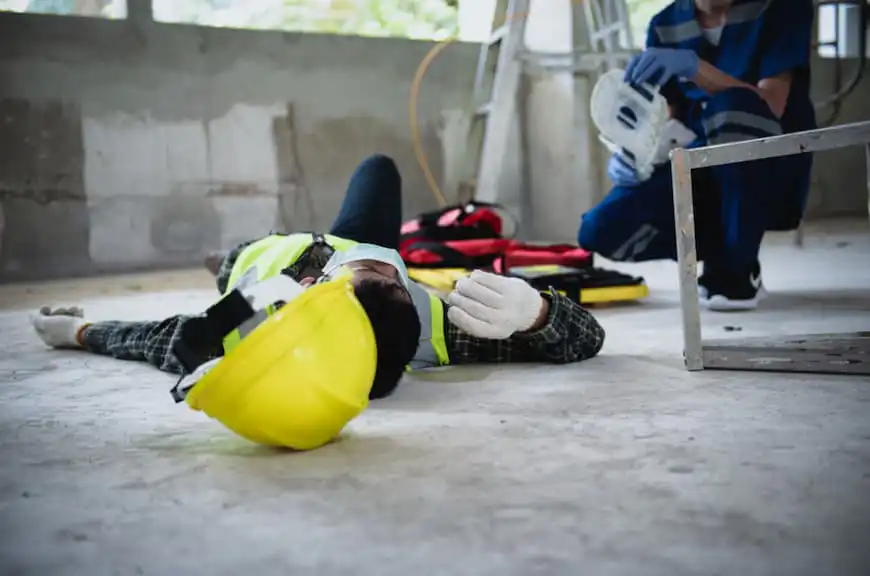
Construction sites can be overwhelming. Machines hum, materials move, and workers focus on tight deadlines. Amid all this, hoists lift heavy loads hundreds of feet in the air, carrying materials or equipment. A single mistake with this machinery can lead to severe injuries or worse.
The responsibility for such accidents does not fall on just one person. Employers, contractors, and even workers can all share liability depending on how the incident happened. Knowing who is accountable and how to handle it is essential for anyone affected.
Here’s what you should know about hoist accident liability and how to protect yourself if an accident occurs.
How Hoist Accidents Happen on Construction Sites
Hoist accidents are often more than simple slips or falls. Several factors can contribute to a dangerous situation. Mechanical failures are common, especially when hoists are not regularly maintained. Worn cables, broken brakes, or faulty controls can lead to sudden drops. Operator errors are another frequent cause, particularly when workers are rushed or undertrained. Overloading hoists beyond their weight capacity can also result in catastrophic failure, making it important to consult a hoist accident injury lawyer if you or a coworker suffers serious harm.
Safety gaps on construction sites add to the risk. If safety inspections are skipped, emergency procedures are unclear, or employees are not trained to respond to malfunctions, accidents become more likely. A strong safety culture can prevent many hoist-related injuries, but understanding liability remains critical if an accident happens despite precautions.
Liability in Hoist Accidents
Liability in hoist accidents can be complex. Multiple parties may be responsible depending on the circumstances.
Employer Responsibility
Employers have a duty to maintain equipment and ensure safety protocols are in place. This includes scheduling regular maintenance, providing proper training, and monitoring compliance with safety rules. If these obligations are neglected, the employer can be held liable for accidents.
Contractor and Subcontractor Liability
Construction sites often involve multiple contractors and subcontractors. If a subcontractor operates a hoist unsafely or provides defective equipment, they may share liability. Employers and project managers must clearly define responsibilities to avoid confusion after an incident.
Worker Responsibility
Workers also share responsibility. Following safety guidelines, reporting hazards, and using equipment correctly are essential duties. If a worker ignores safety rules, it can complicate liability but does not automatically eliminate employer or contractor responsibility.
Legal Considerations After a Hoist Accident
After an accident, understanding your legal options is important.
Reporting the Incident
Immediate reporting is critical. Documenting what happened, noting witnesses, and taking photos of the scene can strengthen a claim. Failing to report an accident promptly may hurt your chances of recovering compensation.
Insurance and Workers’ Compensation
Most employers carry insurance for workplace accidents. Workers’ compensation covers medical costs and lost wages for employees injured on the job, but it may not cover all damages. Understanding your rights under insurance and workers’ compensation is essential.
Filing a Personal Injury Claim
Some injuries go beyond what workers’ compensation can cover. In such cases, consulting a hoist accident injury lawyer can help determine whether filing a personal injury claim is appropriate. They can guide you through the process, ensure deadlines are met, and protect your legal rights.
Preventing Liability Issues
Preventing accidents and liability claims requires a combination of good practices.
- Regular Maintenance and Inspections: Equipment should be inspected and serviced according to manufacturer guidelines. Keeping records of maintenance schedules helps prove due diligence.
- Employee Training Programs: Workers should receive thorough training on hoist operation, safety protocols, and emergency procedures. Repeated safety briefings reinforce habits that prevent mistakes.
- Clear Communication and Documentation: Keeping logs of incidents, safety meetings, and procedures ensures everyone knows their responsibilities. Documentation also serves as evidence if disputes arise.
Focusing on these areas reduces the risk of accidents and clarifies responsibility if an incident occurs.
WrapUp!
Hoist accidents can have serious consequences, but understanding liability helps affected workers take the right steps. Employers, contractors, and workers each play a role in maintaining a safe environment. If an accident does happen, proper reporting, documenting evidence, and consulting professionals can protect your rights and help you recover.
Speaking with a hoist accident injury lawyer ensures that you understand your legal options and how liability may be shared. With guidance, you can focus on recovery while leaving the complex legal details to experts. Safety, accountability, and preparation remain the best ways to prevent and respond to hoist accidents effectively.
Table of Contents