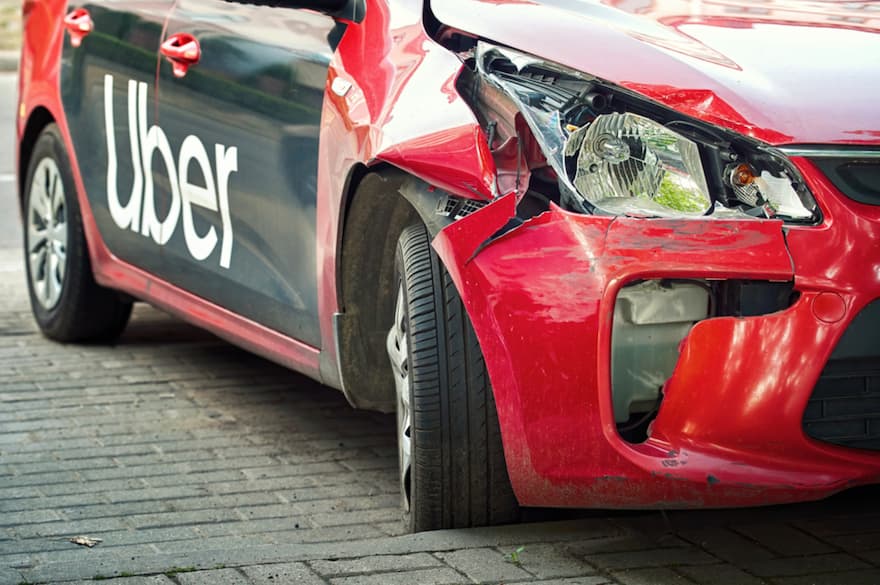
Ride sharing has quietly changed the way people move through a city. A ride can be booked with a tap on a phone, and within minutes, a driver arrives. The system feels simple on the surface, yet things become far more complicated if a crash occurs during that trip.
Responsibility in a rideshare accident does not always fall on one person alone. Drivers, companies, and even other motorists may play a role. Because of this complexity, many people seek legal help after a rideshare crash to understand their options. Knowing how liability works helps injured individuals protect their rights and pursue fair compensation.
Why Liability in Uber Accidents Can Be Complicated
A rideshare accident looks similar to a regular car accident at first glance, but the legal questions behind it can be far more layered. Traditional accidents usually involve two drivers and their insurance policies. Rideshare services introduce another player into the situation.
Because of this arrangement, responsibility often depends on what the driver was doing at the time of the accident. Whether the driver was waiting for a ride request, driving to pick up a passenger, or completing a trip can influence which insurance coverage applies. Investigators must also review traffic reports, driver activity records from the rideshare app, and witness statements.
When the Uber Driver May Be Responsible
Drivers who work through rideshare platforms still carry the same responsibility as any other motorist on the road. They must follow traffic laws, remain alert, and operate their vehicles safely. If a driver ignores those duties, they may become the party responsible for the accident.
Several behaviors can lead to driver liability in a rideshare crash. Speeding through traffic, ignoring traffic signals, driving while distracted by the rideshare app, or making unsafe turns can all lead to collisions. Fatigue can also play a role because some drivers spend long hours on the road.
If a driver’s careless actions cause a crash, their personal insurance policy or rideshare coverage may apply, depending on their status within the app at that moment. These details become especially important if an injured person considers filing rideshare lawsuit claims to recover damages connected to the accident.
The Role of Uber’s Insurance Coverage
One of the most important factors in determining liability is the driver’s connection to the rideshare app during the accident. Rideshare companies provide insurance coverage, but that coverage changes depending on the driver’s activity at the time of the crash.
There are generally three different stages that affect insurance responsibility.
- The driver is offline and not using the rideshare app.
- The driver is logged into the app and waiting for a ride request.
- The driver has accepted a ride or is transporting a passenger.
If the driver is offline, the rideshare company usually does not provide coverage. The driver’s personal car insurance becomes the primary source of compensation. If the driver is waiting for a ride request, limited rideshare coverage may apply.
When Other Drivers May Be Liable
Not every rideshare accident happens because of the Uber driver. In many cases, another driver on the road may be responsible for the collision. Traffic violations and reckless driving from other motorists can easily lead to accidents that involve rideshare vehicles.
Examples of situations where another driver may be responsible include:
- Running a red light at an intersection.
- Failing to yield the right of way.
- Driving under the influence of alcohol or drugs.
- Distracted driving caused by phone use or other activities.
- Aggressive driving that leads to unsafe lane changes.
If another motorist causes the crash, their insurance policy may become the main source of compensation for injuries and damages. Determining fault requires careful investigation of the accident scene, vehicle damage, and statements from witnesses.
Other Factors That May Affect Liability
Responsibility in a rideshare accident may also involve factors beyond the drivers themselves. Road conditions, mechanical failures, and vehicle maintenance problems sometimes contribute to crashes.
Poorly maintained roads, missing traffic signs, or dangerous construction areas can create risks for any driver. In rare situations, the agency responsible for maintaining the roadway could share some responsibility. Mechanical defects can also cause accidents if a vehicle component fails at a critical moment.
Final Words
Rideshare accidents introduce a level of complexity that many people do not anticipate until a crash occurs. Determining liability requires careful review of driver behavior, app activity, insurance policies, and road conditions. Each of these elements can influence who ultimately carries responsibility for the damages caused by the accident.
Understanding how these factors work together helps injured individuals protect their legal position. Responsibility may fall on the rideshare driver, another motorist, or even multiple parties, depending on the circumstances of the crash. Clear evidence and legal help after a rideshare crash reveal the full picture, allowing accident victims to pursue the compensation they deserve while holding the correct party accountable.
Table of Contents