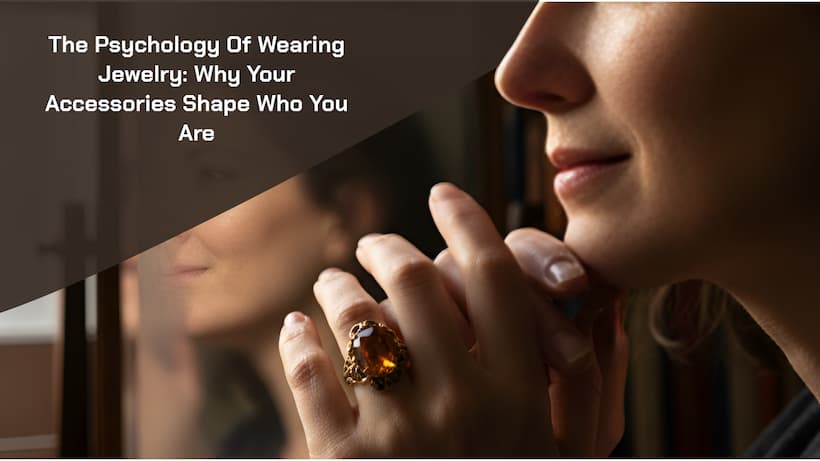
Have you ever reached for a specific necklace before a big presentation, knowing it would make you feel more confident? Or kept wearing your grandmother’s ring long after it went out of style because removing it felt wrong? These aren’t random behaviors. Jewelry affects your psychology in measurable ways, influencing everything from self-esteem to social perception.
For over 100,000 years, humans have adorned themselves with jewelry. What started as shells and bones has evolved into a multi-billion-dollar industry, but the underlying psychological drives remain unchanged. Your jewelry choices reveal personality traits, regulate emotions, preserve memories, and communicate identity without speaking a word.
The Emotional Power of Jewelry
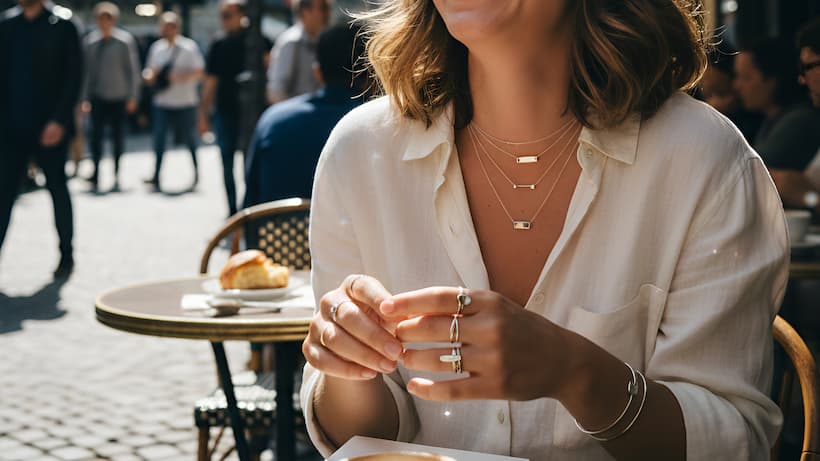
Jewelry does more than complete an outfit. It triggers psychological responses that alter mood, confidence, and self-perception. Understanding these mechanisms helps explain why some pieces feel essential while others collect dust in your jewelry box.
How Jewelry Boosts Confidence and Self-Esteem
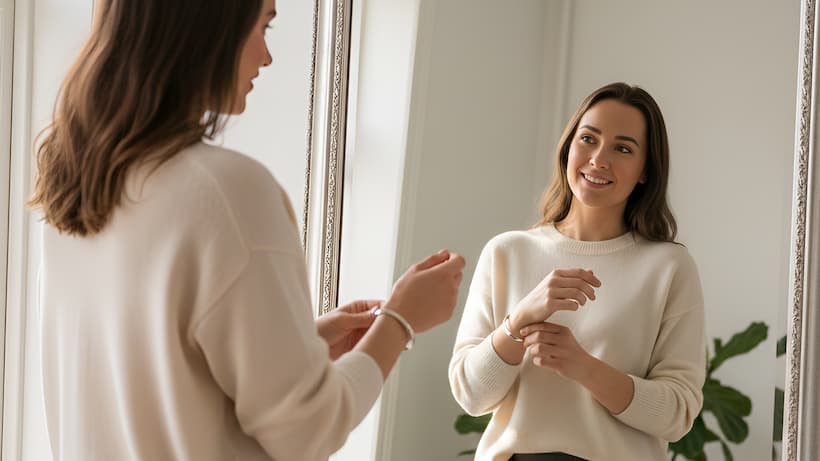
Wearing jewelry creates what psychologists call “enclothed cognition,” the systematic influence that clothes and accessories have on psychological processes. When you wear something you perceive as valuable or beautiful, your brain responds by elevating self-worth and projecting confidence.
Research shows that people who wear jewelry they consider attractive or meaningful demonstrate higher self-esteem in social situations. The effect works through multiple pathways: visual feedback creates positive associations with your appearance, tactile awareness serves as a constant reminder of your value, social mirroring reinforces self-image, and achievement symbolism carries the psychological weight of success.
In hip-hop culture, luxury statement pieces like Cuban link chains serve as symbols of success, resilience, and confidence, wearable reminders of achievement and personal power. For those just beginning to explore jewelry, popular men’s watches offer an accessible entry point that combines style with psychological confidence. The psychological impact transcends the actual monetary value; what matters is the meaning you attach to the piece.
Jewelry as a Mood Enhancement Tool
Your jewelry selection directly influences emotional states throughout the day. Bright, sparkling pieces trigger dopamine responses associated with pleasure and excitement, while familiar comfort jewelry activates neural pathways linked to security and calm.
The mood-jewelry connection works bidirectionally. You choose jewelry based on current emotions (selecting bold pieces when feeling confident), and wearing specific pieces actively shifts mood states (putting on your grandmother’s necklace to feel grounded during stress). This feedback loop makes jewelry a practical tool for emotional regulation.
Three primary mechanisms operate simultaneously:
Immediate Sensory Pleasure: Sparkle and shine create visual stimulation that elevates mood. The way light catches gemstones or precious metals provides constant micro-moments of beauty that aggregate into sustained mood improvement.
Associative Memory: Jewelry linked to positive experiences triggers emotional recall. Your brain doesn’t distinguish between experiencing something new and remembering something positive; both activate similar reward circuits.
Behavioral Activation: Wearing special jewelry encourages behaviors aligned with desired emotional states. Put on your “confidence necklace,” and you unconsciously stand taller, make more eye contact, and speak more assertively.
Empowerment Through Symbolic Armor
Many people treat certain jewelry pieces as psychological armor against daily challenges. Achievement jewelry, engagement rings, promotion watches, and milestone bracelets function as tangible evidence of capability and resilience.
The empowerment effect intensifies when jewelry carries personal meaning beyond aesthetics. A simple pendant gifted by a supportive friend can provide more psychological strength than an expensive designer piece with no emotional connection.
Jewelry as Identity Expression
Your jewelry choices communicate volumes about personality, values, and social identity before you speak. This non-verbal communication operates on conscious and unconscious levels, influencing how others perceive you and how you perceive yourself.
Non-Verbal Communication Through Adornment
Jewelry serves as visual shorthand for complex personality traits and social affiliations. Within seconds of meeting someone, observers make judgments about creativity, conformity, wealth, and values based partially on jewelry choices.
The communication happens through several dimensions: bold statement pieces signal extroversion and confidence, while delicate jewelry suggests restraint, material selection correlates with personality differences, quantity indicates comfort with attention, and trend alignment signals social awareness or individuality.
Personality Showcase and Individual Style
Jewelry preferences align remarkably well with established personality frameworks. Extroverts gravitate toward attention-getting pieces, such as large earrings, layered necklaces, and rings on multiple fingers. Introverts typically prefer fewer, more meaningful pieces that don’t demand constant social commentary.
The Big Five personality traits manifest clearly in jewelry choices:
Openness to Experience: High scorers choose unusual materials, artistic designs, cultural fusion pieces, and unconventional combinations. They’re the ones wearing vintage brooches with modern outfits or combining cultural symbols from different traditions.
Conscientiousness: Reflects in classic styles, matching sets, well-maintained pieces, and traditional precious metals. These individuals rarely experiment with trends; they invest in timeless quality that maintains value.
Extraversion: Shows through bold colors, large sizes, trend-forward designs, and conversation-starting pieces. High extraverts use jewelry as a social catalyst, deliberately choosing pieces that invite comments and interaction.
Agreeableness: Manifests in soft designs, meaningful symbols, gift jewelry, and sentimental pieces. These individuals prioritize emotional connection over aesthetic impact, often wearing items because of who gave them rather than how they look.
Neuroticism: Reveals through comfort jewelry, protective symbols, consistent daily pieces, and minimal risk-taking in choices. Higher scorers develop strong attachments to specific pieces that provide psychological security.
Understanding your pattern helps explain why certain jewelry feels authentically “you” while other pieces never get worn despite their beauty or value. There’s no wrong personality profile, just different authentic expressions.
Subcultural Identity Markers
Jewelry functions as a membership badge for various subcultures and social groups. Each community develops visual languages that members recognize instantly, while outsiders might miss entirely.
Urban fashion has embraced moissanite jewelry as a smart alternative that maintains visual impact without compromising style. Moissanite tennis chains offer the same psychological confidence boost as traditional diamonds while reflecting values-conscious purchasing decisions.
Different communities use jewelry distinctively:
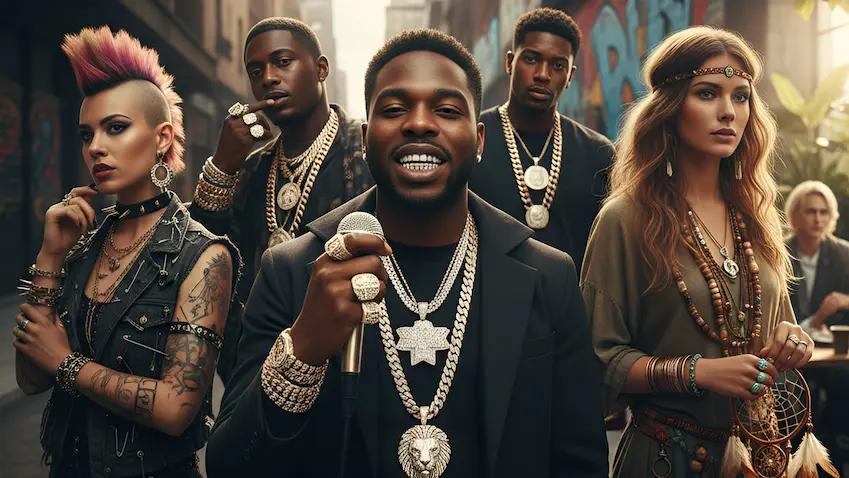
Hip-hop culture: Oversized chains, grillz, and custom pendants signal success and artistic achievement. These pieces tell stories of overcoming struggle and reaching prosperity. The psychological impact comes from both personal meaning and cultural recognition.
Punk aesthetics: Safety pins, spikes, and unconventional materials communicate rebellion and non-conformity. The intentional rejection of precious materials makes a statement about authenticity over status.
Bohemian style: Natural materials, layered pieces, and ethnic influences express free-spirited values. The eclectic mixing signals comfort with cultural appreciation and individual style over trend-following.
Corporate environments: Conservative precious metals and brand-name watches signal professional credibility. The restraint communicates respect for traditional power structures, while the quality suggests competence and success.
Minimalist movement: Deliberately sparse jewelry choice,s often just one or two carefully selected pieces communicate intentionality and refined taste. Less becomes more when each piece carries significant meaning.
The psychological function extends beyond a simple fashion. Wearing subcultural jewelry reinforces group identity, provides a sense of belonging, and communicates shared values to others within the community. It’s a wearable membership that broadcasts “I’m one of you” without speaking.
Digital Identity and Social Media Presence
Social media has transformed jewelry’s psychological role by creating constant visual documentation of identity. Content creators carefully curate jewelry choices as part of their overall personal brand.
The “Instagram-worthy” factor influences purchasing decisions differently than traditional jewelry psychology. Pieces now must photograph well and distinguish content from competitors. Strategic content featuring eye-catching jewelry can boost visibility, and many utilize Instagram growth services to amplify reach to jewelry-loving audiences.
The Color Psychology of Jewelry
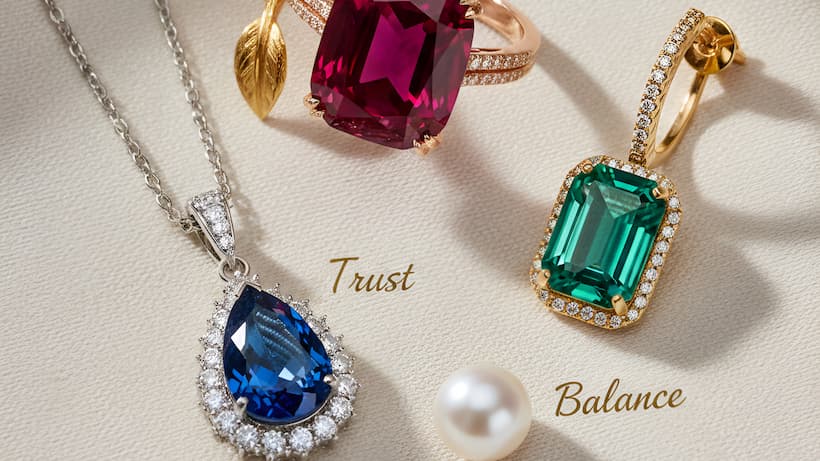
Color choices in jewelry carry powerful psychological associations that affect both wearer and observer. These associations combine universal human responses to color with culturally learned meanings, creating complex emotional impacts.
Individual Color Meanings and Emotional Impacts
Each color triggers specific neurological and emotional responses when worn as jewelry. Understanding these associations allows strategic selection based on desired psychological effects.
Red Jewelry: Passion and Confidence
Red activates the sympathetic nervous system, increasing heart rate and energy levels. Red gemstones like rubies or coral jewelry project confidence, assertiveness, and passion. Wear red jewelry when you need courage for difficult conversations or want to command attention in social settings. The color literally energizes your physiology while signaling power to others.
Blue Jewelry: Calm and Trust
Blue triggers parasympathetic responses that lower stress and promote tranquility. Sapphires, aquamarine, and blue topaz create psychological associations with stability, reliability, and peace. Blue jewelry works particularly well for anxiety-inducing situations like medical appointments or tense negotiations where you need to project calm authority.
Green Jewelry: Balance and Growth
Green connects to nature associations in human psychology, promoting feelings of harmony and renewal. Emeralds, jade, and peridot carry psychological benefits of balance and grounding. Green jewelry supports emotional equilibrium during periods of change or uncertainty, reminding you of growth and natural cycles.
Yellow and Gold: Optimism and Warmth
Yellow stimulates mental activity and generates feelings of happiness and creativity. Gold jewelry, citrine, and yellow sapphires create psychological associations with sunshine, optimism, and intellectual energy. These colors work well for creative endeavors or when battling seasonal mood dips.
Purple Jewelry: Luxury and Wisdom
Purple, historically associated with royalty, creates a psychological sense of sophistication and spiritual awareness. Amethyst and purple gemstones signal depth, introspection, and refined taste. Purple jewelry suits situations requiring gravitas and thoughtful presence.
White and Clear: Purity and Clarity
Diamonds, pearls, and clear crystals generate associations with new beginnings, mental clarity, and simplicity. White metals and clear stones create psychological space for fresh perspectives and uncomplicated thinking. These pieces work when you need to cut through confusion or start new chapters.
Black Jewelry: Power and Mystery
Black carries the psychological weight of authority, sophistication, and protective boundaries. Onyx, black diamonds, and dark materials project strength while maintaining elegant reserve. Black jewelry excels in professional settings requiring both power and discretion.
Pink Jewelry: Compassion and Nurturing
Pink activates associations with care, emotional openness, and gentle strength. Rose gold, pink sapphires, and coral create approachable warmth while maintaining sophistication. Pink jewelry bridges professional credibility with interpersonal warmth.
Material Psychology and Emotional Responses
Beyond color, the materials themselves carry psychological weight. Platinum’s coolness projects different messages than warm, traditional gold. Rose gold combines gold’s warmth with pink’s softness, creating hybrid emotional associations.
Material choices also communicate values: recycled metals signal environmental consciousness, vintage pieces show appreciation for history, lab-grown diamonds demonstrate intelligence and value-consciousness, and traditional precious metals indicate classic taste and heirloom intentions.
Cultural Symbolism and Deeper Meaning
Jewelry carries cultural weight accumulated over centuries, with specific pieces and symbols holding profound meaning within different societies. These cultural dimensions add psychological layers beyond personal preference.
Universal Symbols Across Cultures
Certain jewelry symbols appear across multiple cultures with similar meanings. Wedding rings represent the most widespread jewelry symbolism globally, with the circular shape universally symbolizing eternal commitment and unbroken connection.
Protection symbols appear in jewelry across virtually every culture: the Evil Eye deflects jealousy, the Hamsa provides divine protection, crosses represent faith, and scarabs symbolize transformation. The psychological power of protective jewelry operates regardless of belief systems, providing comfort and reducing anxiety.
Cultural-Specific Traditions and Identity
Different cultures develop unique jewelry languages that communicate complex information to community members. Indian jewelry traditions carry profound cultural significance. The mangalsutra symbolizes not just marital status but divine blessings and lifelong commitment. Chinese jade represents virtue, purity, and moral integrity, making jade jewelry gifts carry enormous emotional weight. Middle Eastern gold traditions reflect cultural values around family wealth and women’s financial security.
Modern Symbolic Evolution and Personalization
Contemporary jewelry psychology increasingly emphasizes personalization over traditional symbols. Custom jewelry allows people to create unique psychological associations rather than relying solely on established meanings.
Modern personalization includes initial jewelry representing loved ones’ names, coordinate jewelry marking significant locations, fingerprint jewelry creating a physical connection to specific people, and custom symbols designed for individual meaning. Many jewelers now offer custom jewelry services for creating personalized symbolic pieces.
Memory, Sentiment, and Emotional Bonding
Perhaps jewelry’s most powerful psychological function lies in its capacity to preserve and evoke memories. The human brain forms strong associations between objects and experiences, making jewelry exceptional vehicle for emotional connection across time.
Jewelry as Memory Trigger and Emotional Anchor
Neuroscience reveals that objects associated with significant experiences become encoded in memory alongside the experience itself. When you wear that jewelry later, it activates the same neural pathways, bringing back associated emotions and sensory memories.
Jewelry functions as pa articularly effective memory trigger because of physical contact, constant presence, visual prominence, and durability. Unlike photos, jewelry provides tactile interaction that engages more sensory pathways and survives decades.
Heirlooms and Generational Connection
Heirloom jewelry creates psychological bonds across generations, allowing emotional connection with ancestors you may have never met. Wearing your great-grandmother’s ring creates a tangible link to her life, struggles, values, and legacy.
The psychology operates through continuity of identity, responsibility and stewardship, narrative connection, and mortality transcendence. Family jewelry traditions also create forward-looking psychological benefits. Knowing a piece will pass to future generations gives current ownership additional meaning.
Grief, Loss, and Comfort Jewelry
Jewelry plays a crucial role in grief psychology and continuing bonds with deceased loved ones. Memorial jewelry provides a tangible connection when physical presence is gone through continuing bonds, portable comfort, private remembrance, and sensory connection.
Jewelry Types and Their Psychological Impacts
Different jewelry categories serve distinct psychological functions and trigger different emotional responses. Understanding these patterns helps explain why certain types feel essential while others remain optional.
The Unique Psychology of Rings
Rings carry psychological weight beyond other jewelry types due to their symbolic associations with commitment and permanence. The unbroken circle creates a powerful metaphor for eternal connection, making rings natural choices for representing important relationships and promises.
Beyond relationship symbolism, rings serve as fidget tools providing stress relief, achievement markers displaying accomplishments, style statements allowing creative expression, and personality signals. The hand placement psychology matters; thumb rings suggest independence, pinky rings connect to communication, and index finger rings project authority.
Necklace Psychology and Self-Presentation
Necklaces uniquely affect self-presentation by drawing attention to the face, throat, and décolletage. Chokers create a psychological sense of protection while projecting confidence. Pendant necklaces provide psychological comfort through proximity to the heart. Long necklaces suggest relaxed confidence and fashion awareness.
Lockets specifically serve a profound psychological function by concealing private, meaningful contents close to the wearer’s heart, a secret comfort and connection.
Earring Psychology and Facial Framing
Earrings uniquely enhance perceived attractiveness by drawing attention tothe face. Studs signal restraint and professionalism while hoops project confidence and playfulness. Large statement earrings require psychological comfort with visibility. People who consistently choose large earrings typically score higher on extraversion measures.
Asymmetrical earrings demonstrate comfort with rule-breaking and creative expression. Ear curation trends reflect contemporary emphasis on individuality and controlled self-presentation.
Bracelet Psychology and Mindfulness Practice
Bracelets serve a unique psychological function as tangible reminders on constantly visible body parts. Their position on the wrist makes them excellent tools for intention-setting and mindfulness practices.
Charm bracelets carry particular psychological power by creating a wearable narrative of life experiences. Bangle stacks create sound and movement, providing sensory feedback. Beaded bracelets often serve spiritual or mindfulness functions, with mala bracelets creatinga psychological association with contemplative states.
Mindfulness and Ritualistic Jewelry Practices
Beyond passive wearing, jewelry can function as an active tool in mindfulness and intentional living practices. These applications leverage jewelry’s physical presence for psychological benefit through deliberate attention and ritual.
Jewelry as Mindfulness Anchor
Mindfulness practice requires anchors, physical sensations, or objects that bring attention back to the present moment. Touch-based mindfulness works by deliberately touching jewelry during anxiety, focusing on physical sensation to interrupt spiraling thoughts. Visual mindfulness involves looking at meaningful jewelry and consciously recalling its significance. These three-second interventions reset nervous system responses.
Morning Jewelry Rituals and Intention-Setting
Creating deliberate practices around jewelry selection and wearing transforms a mundane routine into a meaningful ritual. Conscious selection practice involves assessing emotional needs and choosing jewelry intentionally. Wearing ritual reinforces psychological association by stating internal intentions. Removal ritual provides a natural transition for daily reflection.
Styling for Psychological Impact
Understanding jewelry psychology allows strategic styling that supports emotional goals and psychological well-being. This application-focused approach treats jewelry as a functional tool rather than a purely decorative element.
Strategic Selection Framework
Deliberate jewelry selection follows a systematic process: identify emotional goal, apply color psychology, choose appropriate jewelry type, consider cultural and symbolic meaning, and trust intuitive response. This framework prevents both overthinking and random selection.
Building Your Emotional Jewelry Wardrobe
Strategic variety ensures you have pieces for different psychological needs: a confidence booster for situations requiring courage, a comfort piece for psychological security during stress, versatile daily wear for gentle grounding, a color therapy piece for mood regulation, and a symbolic protective piece carrying personal meaning.
The Business of Jewelry Psychology
Understanding consumer psychology helps jewelry brands connect with customers while helping buyers make conscious rather than manipulated purchasing decisions.
How Brands Use Psychology in Marketing
Jewelry marketing targets psychological needs rather than practical functions. Emotional storytelling triggers emotional responses around love, status, and memory. Scarcity and exclusivity leverage fear of missing out. Celebrity endorsements combine aspiration with social proof. Occasion creation embeds specific products into cultural expectations.
Social Media and Jewelry Culture Evolution
Social media has fundamentally altered jewelry psychology through constant visual comparison and documentation. Content creators use jewelry in channel branding. Many utilize YouTube channel guides and profile optimization strategies where consistent jewelry choices become visual identity markers.
Influencer impact commands significant psychological sway through perceived expertise. Strategic content featuring eye-catching jewelry can boost visibility, with many brands utilizing social media growth services to amplify reach and establish credibility.
Digital Marketing and Link Building Strategies
Jewelry retailers face intense online competition requiring comprehensive digital strategies. Content marketing builds authority while attracting potential customers through valuable information. Search engine optimization ensures pieces reach customers actively searching. Many retailers invest in e-commerce SEO strategies to improve visibility.
Building digital authority demands strategic backlink development. Quality backlinks from fashion blogs, lifestyle sites, and culture publications signal expertise. The link-building marketplace provides access to vetted publishers across relevant categories, helping jewelry brands demonstrate authority worthy of prominent rankings.
Conclusion
Jewelry psychology extends far deeper than surface aesthetics. The pieces you wear influence confidence, regulate emotions, express identity, preserve memories, and communicate cultural belonging. Understanding these psychological mechanisms transforms jewelry from passive decoration into an active tool for emotional well-being.
The most meaningful jewelry aligns with the authentic self rather than external expectations. Whether you prefer bold statement pieces or delicate designs, what matters is genuine psychological resonance. A simple inherited ring can provide more psychological benefit than an expensive designer piece if the emotional connection differs.
As you build your jewelry collection, consider both immediate aesthetic appeal and deeper psychological functions. Ask what emotional needs specific pieces serve. Notice which jewelry makes you feel most authentically yourself. Pay attention to pieces you reach for during stress or celebration; those reveal genuine psychological connections worth nurturing.
The next time you select jewelry, pause and notice how each piece makes you feel. You’re not just accessorizing, you’re engaging in an ancient human practice of self-expression, emotional regulation, and identity communication. That awareness transforms ordinary daily routine intoa conscious practice of self-care and intentional living.
Your jewelry tells your story; make sure it’s a story you want to tell.
Table of Contents