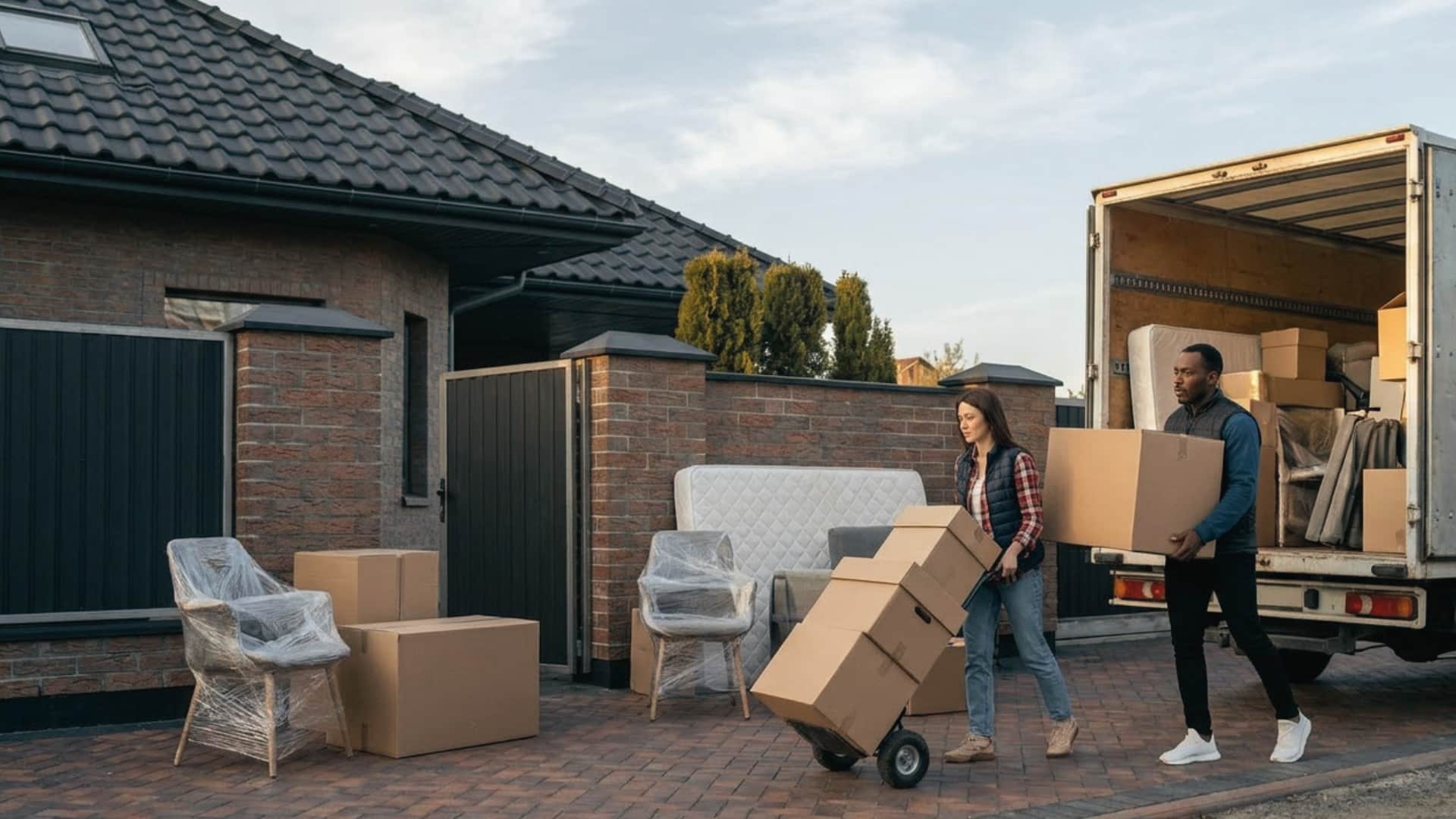
What You Should Know Before Planning a Long-Distance Move
Moving across state lines sounds exciting until you’re staring at a half-packed closet, three mystery cables, and a sofa that suddenly feels built into the wall. If you’re planning a long-distance move, preparation matters more than enthusiasm. In a city like Houston, where neighborhoods sprawl and traffic has its own personality, logistics can get complicated fast. A smoother move comes from understanding timing, costs, packing, and the kind of help that actually fits your situation.
Start Planning Earlier Than Feels Necessary
A long-distance move has more moving parts than a local one, and small delays can snowball quickly.
If you wait until the last minute, your options shrink. Moving dates book up, prices climb, and you’re left making rushed choices about storage, transport, and packing supplies.
Try building a timeline at least six to eight weeks ahead. That gives you room to:
– sort what you’re keeping
– donate or sell things you don’t need
– collect records and change your address
– compare moving companies without panic mode kicking in
This also helps if you’re moving from a large metro area like Houston. Apartment elevators, parking access, and loading zones can complicate pickup day. Early planning gives you time to handle those details before they turn into expensive surprises.
Know What Long-Distance Moving Actually Includes
A lot of people assume moving means a truck, a few workers, and the rest just somehow happens. Not quite.
Long-distance moving usually involves route planning, inventory management, delivery windows, valuation coverage options, and sometimes temporary storage. If you’re moving hundreds or thousands of miles, your belongings may share trailer space or travel through multiple checkpoints.
That’s one reason many people look into experienced providers like Coleman Worldwide Moving when they need help coordinating a major relocation from Houston. For a move that crosses state lines, you want a company that handles long-haul logistics regularly, not one treating interstate work like a side quest.
Ask specific questions before booking:
– Is the estimate binding or non-binding?
– What is the delivery window?
– Are packing services available?
– How are fragile or high-value items handled?
Those answers tell you a lot.
Budget for More Than the Truck
The headline moving quote rarely tells the whole story. Long-distance moves can involve several extra costs, and they add up fast.
Common expenses include:
– packing materials
– labor for packing and loading
– storage fees
– fuel or transportation surcharges
– valuation coverage
– hotel stays and meals during travel
– utility setup at your new place
You should also budget for the awkward overlap period. Sometimes your new home isn’t ready the same day your old one closes. Sometimes deliveries arrive later than expected. Sometimes life decides to freestyle.
A smart approach is to create two numbers: your expected cost and your ceiling. Keep a cushion for last-minute needs, especially if you’re relocating for school, work, or family deadlines. Financial stress can make every moving decision feel worse than it is.
Decluttering Makes the Whole Move Easier
Every box you pack is something you’ll pay to move, unload, and find space for later. That old treadmill collecting laundry in the corner? It has opinions about your budget.
Before packing, go room by room and make fast, honest decisions. If you haven’t used something in a year, it deserves scrutiny. Long-distance moving is one of the best times to reset what you actually want in your space.
Focus on categories:
– clothes you no longer wear
– duplicate kitchen items
– broken electronics
– outdated paperwork
– furniture that won’t fit your next home
Selling useful items can offset moving costs. Donating can save time and reduce clutter without the hassle of listing every lamp online. Less stuff means fewer boxes, faster loading, and fewer moments in your new home where you wonder why you packed expired coupons and a cord from 2014.
Pack Like You’ll Need Something Urgently
You probably won’t unpack everything right away, so your first few days matter more than most people expect.
Pack an essentials bag or box that stays with you instead of going on the truck. Include things you’ll want immediate access to, especially if delivery takes a few days.
Your essentials should include:
– medications
– chargers
– basic toiletries
– important documents
– a few changes of clothes
– snacks and water
– pet or baby supplies
– sheets and towels
– simple tools like a box cutter and screwdriver
Label every box clearly by room and priority. “Kitchen” is helpful. “Kitchen – coffee gear” is better. You don’t need a color-coded logistics dashboard, but you do need labels that make sense when you’re tired and standing in a maze of cardboard.
Pay Attention to Insurance, Inventory, and Paperwork
This part is not glamorous, but it can save you serious stress.
Long-distance moves involve more risk than carrying boxes across town. Items are in transit longer, and multiple handling stages can increase the chance of damage or confusion. Read the valuation and coverage options carefully. Basic protection may be limited, and it often won’t reflect full replacement value.
Keep a digital record of:
– your estimate
– inventory sheets
– high-value item photos
– receipts for valuable belongings
– contact information for your moving coordinator
– pickup and delivery dates
Take photos of furniture before it’s wrapped and loaded. That gives you a clearer record if anything arrives scratched or dented. Also, keep IDs, lease agreements, school records, and financial documents with you rather than packed away. A missing box is annoying. A missing passport is a completely different genre of problem.
Make Arrival Day Easier on Yourself
After a long move, your energy level may be hovering somewhere between relieved and barely functional. Setup should be simple.
If possible, arrange utilities before you arrive. Walking into a dark house with no Wi-Fi and no air conditioning in Houston weather is a memorable experience for all the wrong reasons.
Have a basic plan for the first 48 hours:
– direct movers to the right rooms
– inspect large items before signing off
– assemble only essential furniture first
– stock the fridge with easy food
– locate nearby stores, pharmacies, and gas stations
You don’t need to unpack everything immediately. You do need to create a space that works. Start with your bed, bathroom, and kitchen basics. Once those are handled, the new place feels less like a warehouse and more like home.
A Good Move Comes Down to Better Decisions
Long-distance moving isn’t just about getting your belongings from one place to another. It’s about reducing friction during a major life change. When you plan early, budget realistically, declutter hard, and choose experienced help, the entire process becomes more manageable.
You can’t control every delay, detour, or random moving-day headache. You can control how prepared you are. And that preparation often separates a chaotic relocation from one that feels organized, efficient, and surprisingly survivable.
Table of Contents